
24/7 Customer Support

Free returns

Same-day & Next-day Delivery

Quality Guaranteed

Unlock Your Welcome Offers: FREE Delivery | Up to 80% OFF | Free 30-day JoyPlus trial
Download the APP
Chicken stock seasoning can turn a plain soup, noodle bowl or casserole into a more savoury meal in seconds. However, stock powder, chicken stock cubes, broth powder and fried chicken coating powder are not interchangeable. Choosing by colourful packaging or a familiar-looking name can result in excessive salt, unsuitable allergens or a product that does not match the recipe.
This guide from the Joybuy Product Recommendation Officer explains what to check before buying chicken stock seasoning, then matches several options to different UK cooking habits.
A chicken seasoning powder may be intended for sprinkling over stir-fries, marinades or fried rice. A chicken soup base or bouillon powder is usually designed to dissolve into liquid. A fried chicken coating powder, by contrast, contains flour or starch and is meant to form a crust.
Using coating powder in soup can create an unwanted texture, while using a strongly seasoned bouillon in a delicate marinade can overpower the dish. Always check the stated directions and intended use.
A large 1kg bag of chicken powder may appear economical, but its value depends on how much is needed per serving. Stock cubes and pots often provide clearer portion guidance. For example, some products specify one cube for a measured quantity of water, while powders may simply say to add an “appropriate amount”.
For regular meal-prepping, compare servings, dosage instructions and storage requirements, not just the front-of-pack weight.
The ingredient list gives a more useful picture than promotional wording. Look for terms such as chicken extract, chicken powder or concentrated chicken stock, while also checking the position of salt, flavour enhancers, starches and sugar. A product can provide savoury flavour without being suitable for someone seeking a simple chicken broth powder with fewer added ingredients.
Stock products are concentrated, so the salt value per 100g can look high even when the prepared portion is smaller. Compare the salt per prepared serving where available. Oxo Reduced Salt Chicken Stock Cubes, for example, are listed as having 25% less salt than the standard version supplied in the product information. This does not make them salt-free, so take the full recipe into account before adding soy sauce, salted meat or seasoning sauces.
The UK adult reference intake for salt is no more than 6g per day. This is general dietary guidance rather than a product-specific health recommendation. If salt intake is important to you, read the current pack label and measure the quantity used.
Check the allergen panel every time, particularly when buying imported food. Wheat, soya, celery, mustard and sesame may appear in seasoning powders or coating mixes. Oxo Chicken Stock Cubes list wheat as an allergen, while some fried chicken powders contain wheat and soya.
For halal shoppers, confirm that the product packaging and current listing provide the required certification or suitability information. Nan De Halal Chicken Stock Seasoning is listed as a halal product, but consumers should still check the label at the point of purchase for the latest details.
After opening, keep powders sealed in a cool, dry place away from moisture. Follow the package instructions for shelf life and discard products showing unusual odour, dampness or signs of contamination.

Why This Fits Their Persona: A practical cupboard staple for students, first-time cooks and small households that want individually wrapped portions for soups, pies and casseroles.
The pack gives a clear preparation direction: one cube dissolved into 190ml of boiling water. Wheat is listed as an allergen, making label checking straightforward.
Foil-wrapped individual cubes; suitable for crumbling directly into cooked dishes or preparing stock.

Why This Fits Their Persona: Suitable for home cooks who want a concentrated stock format for risotto, sauces, soups, stews and casseroles without measuring loose powder.
The directions state that one pot can be dissolved into 500ml of boiling water, or 750ml for a lighter stock, helping you control concentration.
Can be added directly to dishes; listed as gluten-free and free from artificial colours and preservatives.
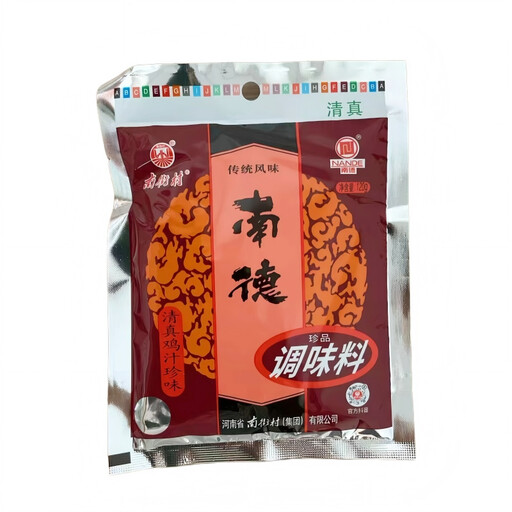
Why This Fits Their Persona: Designed for shoppers seeking a halal chicken stock seasoning for stir-fries, cold dishes, barbecues, fillings, noodles and soups.
The listing identifies the product as halal and provides a full ingredient and allergen section. Its salt content is stated as 66.25g per 100g, so measured use is important.
120g format; includes chicken powder, spring onion, ginger, pepper and shiitake mushroom powder.
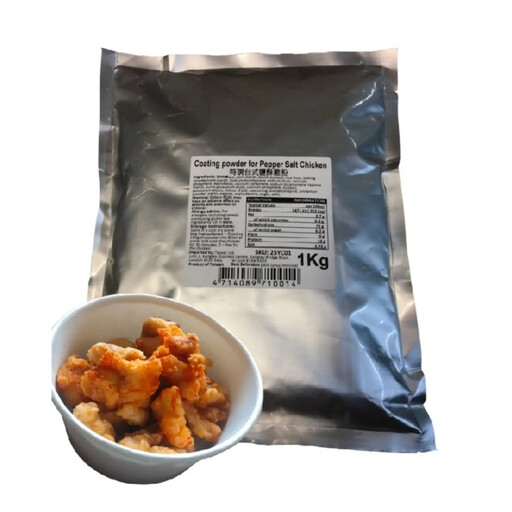
Why This Fits Their Persona: A large-format choice for frequent home cooks or food-service-style preparation of Taiwanese fried chicken, vegetables and seafood.
It is clearly described as a coating and seasoning mix, rather than a chicken soup base. Wheat is listed, so it is unsuitable for shoppers avoiding gluten.
1kg pack; contains wheat flour, corn starch, rice flour, five-spice, garlic and white pepper.
We have compiled a complete, real-time list of products that fully satisfy these strict selection criteria and UK safety regulations.
They are often used in similar ways, but naming and formulation vary by product. Both may dissolve in hot water or be sprinkled into recipes. Check the preparation instructions, ingredient list and salt per serving rather than relying on the name alone.
Place the recommended quantity of chicken broth powder, chicken bouillon powder or a stock cube in a bowl, then add the stated amount of boiling water. Stir until dissolved and taste before adding more seasoning. Follow the pack directions, as dilution ratios differ between products.
Unopened shelf life depends on the best-before information printed on the packaging. Once opened, dry powder and cubes should be kept sealed in a cool, dry cupboard. Moisture can cause clumping and affect texture, so use a clean, dry spoon and follow the manufacturer’s storage guidance.