
24/7 Customer Support

Free returns

Same-day & Next-day Delivery

Quality Guaranteed

Unlock Your Welcome Offers: FREE Delivery | Up to 80% OFF | Free 30-day JoyPlus trial
Download the APP
Chicken stock and gravy can transform a simple meal, but the formats are not interchangeable. A gravy granule may thicken a roast dinner sauce in minutes, while a stock cube is more suitable for soups, casseroles and cooking liquid. Bouillon powders and seasoning blends can add savoury flavour to stir-fries, marinades and noodles, but they may contain considerably more salt than expected.
For UK households, the main challenge is choosing a product that suits the dish, dietary needs, storage space and cooking routine. The following guide highlights common buying traps and practical specifications to check before adding a product to your cupboard.
Stock is primarily a savoury liquid or concentrate used as a cooking base. It can be added to soups, sauces, stews and casseroles. Gravy is generally designed to be thicker and ready to pour over roast chicken, potatoes, pies or chips.
Some products can perform both roles, but checking the preparation instructions is important. For example, Knorr Chicken Stock Pots can be added directly to a dish or dissolved into 500ml of boiling water. By contrast, gravy granules are usually measured into a jug and mixed with hot water to create a finished sauce.
Packaging terms such as “chicken flavour”, “chicken seasoning” or “chicken bouillon powder” do not necessarily indicate a large quantity of chicken. Ingredient lists can include salt, yeast extract, flavour enhancers, starches, herbs and spices, with chicken or chicken extract appearing further down the list.
If the presence of chicken matters to you, check the full ingredients panel rather than relying on the front of the pack. OXO Chicken Stock Cubes, for instance, list chicken fat at 3% and concentrated chicken extract at 2%. Morrisons The Best Chicken Gravy Granules list chicken at 1%.
Stock and seasoning products often deliver strong flavour in small quantities, which can mean a high salt concentration. Nan De Halal Chicken Stock Seasoning lists 66.25g of salt per 100g, while the prepared stock figures for OXO Chicken Stock Cubes and Knorr Chicken Stock Pots are 0.77g and 0.86g of salt per 100ml respectively.
Always compare the nutrition panel using the same serving size. Also check allergens carefully. Wheat and soya appear in several gravy granules and stock cubes, while some specialist products contain celery, peanuts, milk or sulphites.
Choose the format around your usual cooking:
A larger pack is not automatically better value if the product requires more per portion. Compare the stated preparation quantity, such as one cube dissolved in 190ml of water or one stock pot diluted into 500ml.
For frequent family cooking, a multi-pack or larger container may reduce repurchasing. Occasional cooks may prefer sachets or individually wrapped cubes to avoid an opened product sitting unused.
Look for the exact information relevant to your household:
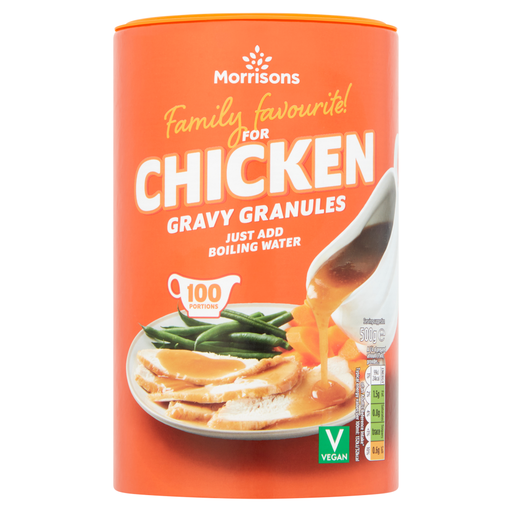
Why This Fits Their Persona: A large 500g format suits families preparing regular roast dinners, pies or chips and wanting a straightforward cupboard option.
The product is clearly positioned as gravy granules, reducing the risk of buying a stock product when a thick sauce is required. The label identifies wheat and soya allergens.
500g pack size; prepared nutrition lists 0.8g salt per 100ml; suitable for vegetarians according to the product listing.
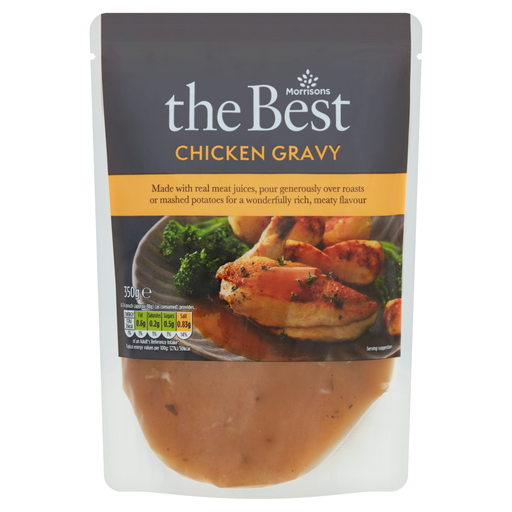
Why This Fits Their Persona: A ready-made gravy is suitable for Sunday lunches or occasions when you want a developed sauce without mixing granules.
The ingredient list states that chicken stock makes up 88%, allowing shoppers to see the principal base rather than relying only on front-of-pack wording.
Ready to pour; 30 kcal per 100g; contains wheat and alcohol, with opening instructions to consume within 24 hours.
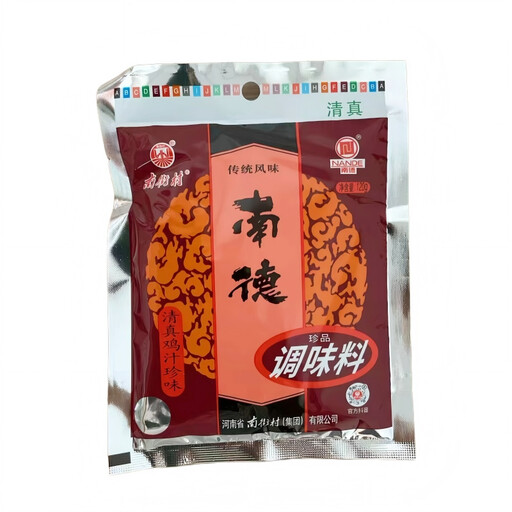
Why This Fits Their Persona: This halal-listed seasoning is designed for soups, stir-fries, salads, barbecues, marinades and fillings.
Its ingredient list and usage directions make it clear that this is a concentrated seasoning, not a ready-made roast chicken gravy.
120g pack; no allergens listed in the supplied product information; includes chicken powder, shiitake mushroom powder, ginger and pepper.

Why This Fits Their Persona: A practical option for cooks who regularly prepare casseroles, sauces, soups and stews and need a stock base that can be added directly to the pan.
The pack gives two stated dilution options: 500ml for standard stock or 750ml for a lighter stock, making portion strength easier to control.
Four 28g stock pots; listed as gluten free; suitable for direct addition to dishes or preparation as instant chicken stock.
We have compiled a complete, real-time list of products that fully satisfy these strict selection criteria and UK safety regulations.
No. Chicken stock is generally thinner and used as a cooking liquid or soup base. Chicken gravy is thickened and intended to accompany food. Some stock pots and bouillon powders can be reduced into a sauce, but they may need cornflour, flour or another thickener.
Follow the product’s stated ratio. For example, one OXO Chicken Stock Cube is prepared with 190ml of boiling water, while one Knorr Chicken Stock Pot can be dissolved into 500ml. Stir until fully mixed, then taste before adding extra salt or chicken seasoning.
Unopened dry cubes, granules and powders can usually be stored in a cool, dry cupboard until the date shown on the packaging. Once opened, reseal powders and keep them away from moisture. Ready-made gravy has a shorter life after opening; Morrisons The Best Chicken Gravy 350ml states that it should be consumed within 24 hours, while other products may require refrigeration. Always follow the storage instructions on the product you buy.