
24/7 Customer Support

Free returns

Same-day & Next-day Delivery

Quality Guaranteed

Unlock Your Welcome Offers: FREE Delivery | Up to 80% OFF | Free 30-day JoyPlus trial
Download the APP
As a cat owner, you want to provide a meal that is both delicious and nutritious for your feline companion. The search for the perfect chicken wet cat food can be surprisingly complex, with shelves full of options that look similar but vary wildly in quality and suitability. Many UK shoppers find themselves navigating a maze of marketing claims, often leading to purchases that disappoint either them or their cat.
My role as a Joybuy Product Recommendation Officer is to help you sidestep these common issues. Before you add another multipack to your basket, let's look at the frequent pitfalls that can lead to wasted money and an unhappy cat.
To ensure you're choosing a suitable food, focus on these core parameters. They provide a much clearer picture of a product's quality than the marketing on the front of the box.
The ingredients list is your most reliable source of information. In the UK, ingredients must be listed in descending order of weight. Look for the "Composition" or "Ingredients" section.
Wet cat food comes in several formats and textures. Understanding these can prevent the "texture gamble" pitfall.
Based on these practical criteria, here are a few options from our catalogue, matched to different owner and cat profiles.

Why This Fits Their Persona: This is a gourmet cat food designed to appeal to cats with particular tastes. The combination of a soft mousse topped with gravy offers a dual-texture experience that can tempt even picky eaters who may turn their nose up at standard p?té or chunks.
It directly counters the "Texture Gamble" by providing a unique and refined texture that stands out from more common formats, making it a strong candidate for cats that are easily bored.
The recipe is complete and balanced, free from added artificial colourants, preservatives and flavours. The individual 57g portions ensure freshness at every meal.
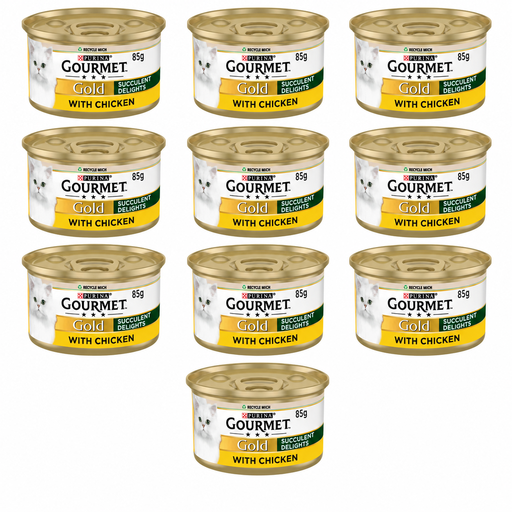
Why This Fits Their Persona: For owners who need a reliable, everyday food that offers good value, this cat food multipack is an excellent choice. It provides ten meals in one purchase, simplifying shopping and ensuring the pantry is always stocked with a dependable option.
This product is clearly labelled as "100% complete and balanced," so you can be confident you are not accidentally feeding a complementary treat as a main meal. The chunks in gravy format is a widely accepted texture.
This is a cost-effective and convenient option for daily feeding. The 85g cat food tins provide a perfectly portioned meal, and the recipe is made without added artificial colourants, preservatives or flavourings.
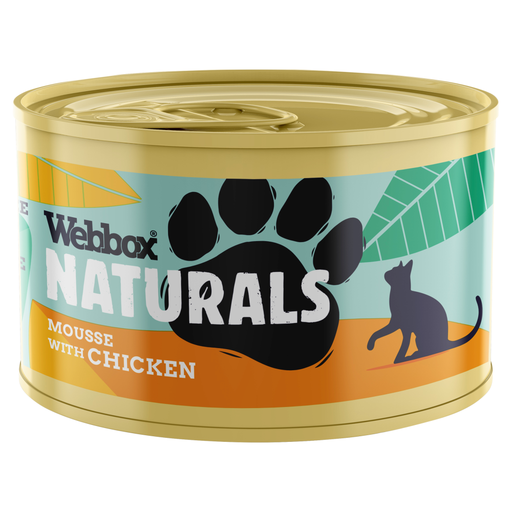
Why This Fits Their Persona: This food is ideal for owners who prioritise natural ingredients and may be catering to a cat with certain dietary sensitivities. Its formulation is straightforward and focuses on providing core nutrition without common fillers or artificial additives.
It avoids the "Chicken Flavour" illusion by clearly stating it contains 9% real chicken and is free from artificial colours and flavours. The wheat gluten-free recipe also helps owners avoid a common potential irritant.
This is a complete and balanced natural wet cat food. Its key benefit is the wheat gluten-free recipe, making it a suitable choice for cats who may have sensitivities to wheat.
We have compiled a complete, real-time list of products that fully satisfy these strict selection criteria and UK safety regulations.
Feeding amounts vary based on your cat's age, weight and activity level. As a general guideline, an average adult cat (around 4kg) typically requires about 2-3 pouches or tins (approx. 85g each) per day, split into at least two meals. Always check the feeding guide on the specific product packaging and adjust as needed to maintain a healthy body weight.
Yes, many owners practise "mixed feeding," offering both wet and dry food. Wet food is great for hydration, while dry food can be convenient to leave out for grazing. If you choose to do this, be sure to adjust the portion sizes of each to avoid overfeeding and ensure your cat is still receiving a balanced diet.
Cats can have sensitive digestive systems, so it's important to transition to a new food gradually. Start by mixing a small amount of the new food (about 25%) with their old food (75%). Over the course of 7-10 days, slowly increase the proportion of the new food while decreasing the old food until you have fully switched over. This helps prevent stomach upset.