
24/7 Customer Support

Free returns

Same-day & Next-day Delivery

Quality Guaranteed

Unlock Your Welcome Offers: FREE Delivery | Up to 80% OFF | Free 30-day JoyPlus trial
Download the APP
Chicken wings can suit a quick midweek meal, a game-night platter, a family barbecue or an Asian-inspired dish. However, the label does not always tell the full story. A pack described as “wings” may contain coated breast pieces, ready-to-eat duck mid-joints or raw cuts that require completely different preparation.
This guide explains what to check before buying chicken wings, frozen chicken wings and duck alternatives, with practical recommendations for different UK households.
A ready-to-eat duck wing can be opened and served, while raw chicken wings must be cooked thoroughly. Frozen coated products may be pre-cooked but still require reheating to a safe temperature. Always look for wording such as:
Mixing these categories can lead to disappointing texture or unsafe preparation.
Some products marketed as crispy chicken wings are heavily coated. Check the quantitative ingredient declaration where available. For example, the Hamamatsu pack contains 82.5% chicken wings, while the Super Chick product lists chicken wings at around 68% alongside flour, breadcrumbs and seasoning.
Boneless “wings” can also be made from chicken breast rather than wing joints. This may be convenient, but it is not the same cut as traditional chicken mid wings.
A chicken wings 400g pack may suit one or two people, while a chicken wings 1kg pack is more practical for parties or batch cooking. Frozen products need freezer space at -18°C or below, and many cannot be refrozen after thawing.
For fresh or chilled wings, check the required 0–5°C refrigeration range and whether the pack is suitable for freezing. A larger pack is not automatically better value if you cannot use it before its storage window closes.
For a quick snack, spicy chicken wings or ready-to-eat duck wings require less preparation. For custom marinades, soup, braising or Asian-style recipes, raw chicken wings or raw duck wings give you greater control over flavour.
Read the full ingredient panel rather than relying on the front-of-pack flavour. Common allergens in seasoned and coated products include:
Plain free-range chicken wings may contain only chicken, but packaging can still include “may contain” allergen information. Always check the current label, particularly if buying for someone with an allergy or coeliac disease.
Air fryer chicken wings are convenient, but cooking times vary with size, coating and whether the product is frozen. Follow the pack instructions and ensure the centre is piping hot throughout. For pre-cooked frozen products, reheating to a core temperature of at least 75°C is a practical safety benchmark.
Avoid overcrowding an air fryer basket, as this can reduce airflow and leave the coating less crispy. Raw poultry should be kept separate from ready-to-eat food, with hands, boards and utensils washed after preparation.
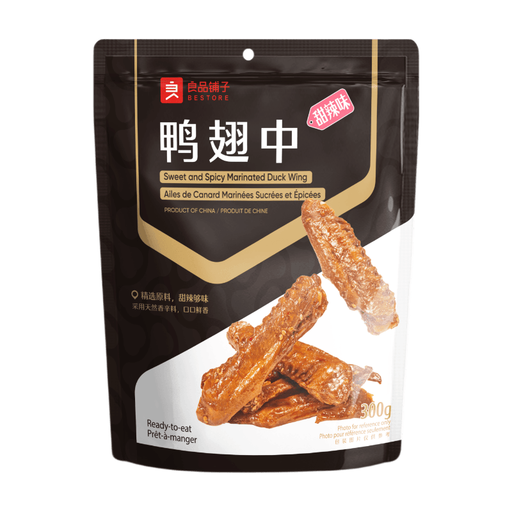
Why This Fits Their Persona: A compact option for shoppers who want a seasoned poultry snack without buying a large frozen bag or preparing a marinade.
It is clearly listed as ready to eat, helping distinguish it from raw or cooking-required chicken wings. The 300g quantity also limits unused leftovers.
Ready-to-eat format; seasoned with soy sauce, chilli, garlic and ginger. Contains wheat and soybeans.
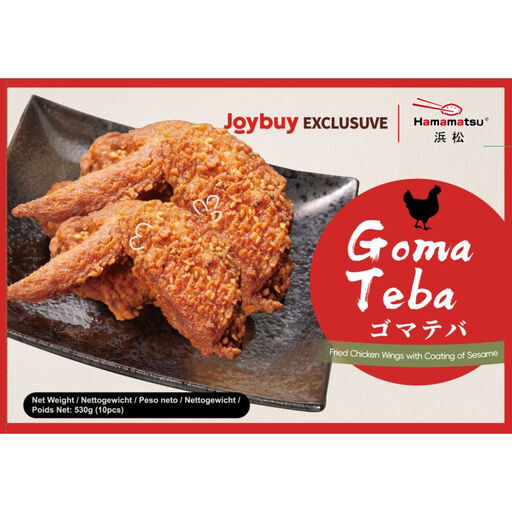
Why This Fits Their Persona: Ten portions make this practical for family dinners, informal gatherings and planned air-fryer meals.
The pack states 82.5% chicken wing content, cooking methods and a defined 530g net weight rather than relying only on flavour-led wording.
Suitable for deep-frying, baking or air frying; Japanese seasoning includes soy sauce, sesame and mild spice.
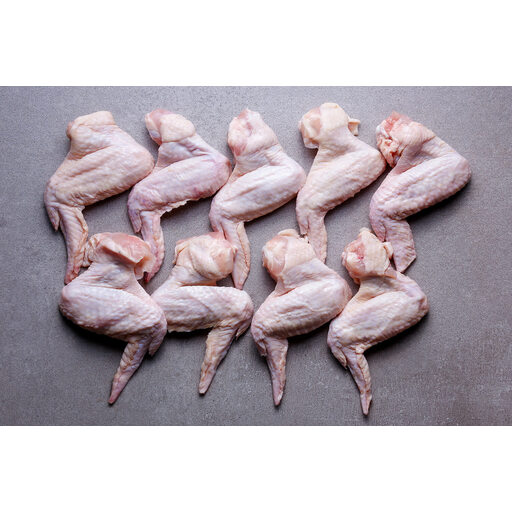
Why This Fits Their Persona: Suitable for shoppers who prefer plain free-range wings and want to choose their own marinade for an oven or BBQ.
The ingredients are listed as 100% chicken, so buyers can add their own seasoning instead of paying for a thick prepared coating.
Free-range chicken; approximately 80g per wing; refrigerated at 0–5°C and suitable for freezing.
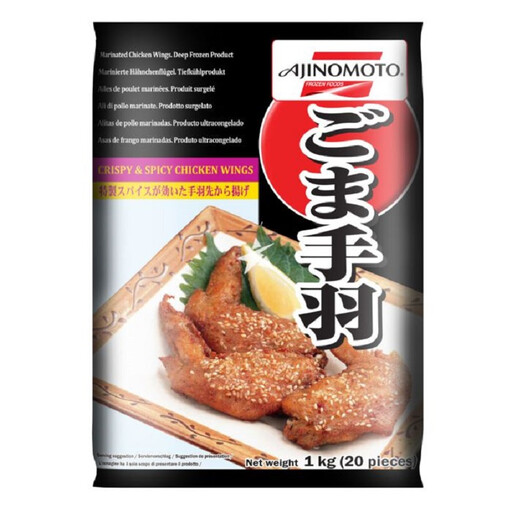
Why This Fits Their Persona: A larger freezer pack for parties, repeated family meals and customers who want a spicy, coated option ready for batch cooking.
The 1kg quantity and approximate 20-wing count make portion planning easier. The pack also clearly states its wheat, soy and sesame allergens.
Approximately 20 pieces per pack; suitable for deep-frying or air frying; seasoned with soy sauce, garlic, ginger and spices.
For a barbecue or meal-preparation plan, plain HG Walter Chicken Wings 1kg or the 2kg twin-pack provides more quantity than a chicken wings 400g format. For making spicy duck wings at home, XF Raw Duck Wing 400g x 2 contains 100% duck wing and can be braised, roasted or stir-fried after thawing.
If you want BBQ flavour without preparing a marinade, TGI Fridays Barbecue Boneless Wings 400g contains coated chicken breast pieces with a separate smoky-style BBQ sauce profile. It contains wheat and is not certified halal according to the supplied product information, so check the current packaging if halal status matters.
For halal chicken wings, do not rely solely on search filters or flavour descriptions. Look for current certification on the product packaging or listing. The Super Chick Hot & Spicy Chicken Wings 1kg listing identifies the product as halal, but allergy information still needs checking because it contains wheat and barley and may contain other allergens.
We have compiled a complete, real-time list of products that fully satisfy these strict selection criteria and UK safety regulations.
Yes, many frozen chicken wings are designed for air frying. Follow the product’s stated temperature and time, leave space between pieces and turn them halfway where instructed. Confirm that the centre is piping hot before serving rather than judging by colour alone.
Keep chilled raw chicken wings refrigerated at 0–5°C, or freeze them according to the pack guidance. Defrost in the refrigerator, use within the stated period and do not refreeze once thawed unless the product instructions specifically allow it.
As a general planning guide, allow around 250–350g per adult when wings are the main food, with less needed if served alongside chips, slaw or other dishes. A 400g pack suits a small serving, while 1kg or 2kg formats are more practical for larger gatherings.