
24/7 Customer Support

Free returns

Same-day & Next-day Delivery

Quality Guaranteed

Unlock Your Welcome Offers: FREE Delivery | Up to 80% OFF | Free 30-day JoyPlus trial
Download the APP
Chickpeas are a practical pantry staple for hummus, curry, salads, stews and meat-free meals. However, the right product depends on how often you cook, how much storage space you have and whether convenience or value matters more.
Several common buying traps can lead to wasted money:
Tinned chickpeas are pre-cooked and ready to drain, rinse and add to meals. They suit quick weekday cooking, packed lunches and recipes such as hummus, chickpea curry and salads. A tin of chickpeas in water usually requires only reheating for hot dishes.
Dried chickpeas require rinsing, soaking and cooking. The process takes longer, but they are suitable for batch cooking and bulk pantry storage. Follow the pack instructions and do not eat dried chickpeas raw.
Chana dal consists of split chickpeas. It has a smaller, flatter shape and is commonly simmered with spices to make dal. It can also be used in soups, savoury snacks and some desserts, but it is not a direct replacement for whole chickpeas in every recipe.
For a simple pantry ingredient, check whether the list contains only chickpeas, or chickpeas with water and salt. Products packed in salted water can be rinsed to reduce some surface salt, although this does not guarantee a specific final sodium level.
Allergen information is particularly important when buying flavoured chickpea snacks or prepared dips. For example, some snack products contain soya and sesame, while Napolina Chick Peas in Water lists sulphites. Dried Laila chickpeas and chana dal carry a warning that they may contain cereals containing gluten.
Always check the current packaging before purchase, especially if you have an allergy or follow a restricted diet.
A single 400g tin is convenient for one or two meals. Multi-packs, such as 8 or 12 tins, are more appropriate for regular meal planners who have enough cupboard space and can use the products before their best-before dates.
For frequent cooks, bulk chickpeas in 2kg or 5kg packs can reduce repeated shopping trips. Store unopened dried pulses in a cool, dry place, inspect them before cooking and rinse them thoroughly. After opening a tin or jar, transfer unused contents to a suitable container, refrigerate and follow the product’s stated consumption period.
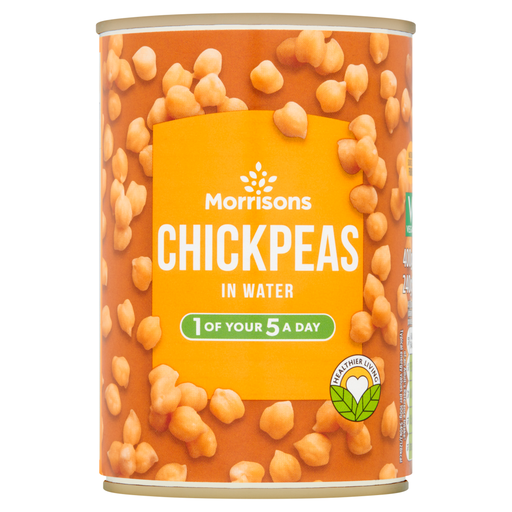
Why This Fits Their Persona: A straightforward single-tin option for UK shoppers trying chickpeas for salads, hummus or quick meals without committing to a multipack.
The 400g format limits overbuying, while the ingredient list contains chickpeas, water and antioxidant rather than a long seasoning list.
Ready to use, suitable for vegan and vegetarian diets and listed as containing no allergens.
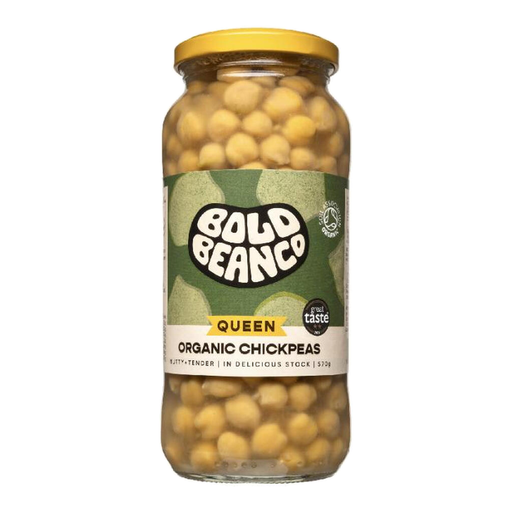
Why This Fits Their Persona: A jarred organic option for cooks who prioritise texture, presentation and ingredients for hummus, dips or sharing dishes.
The listing separates net quantity from drained weight, helping buyers understand that the 570g jar contains a 400g drained portion.
Organic heirloom chickpeas, ready to eat, with bean stock that can be used in sauces, hummus or stews.
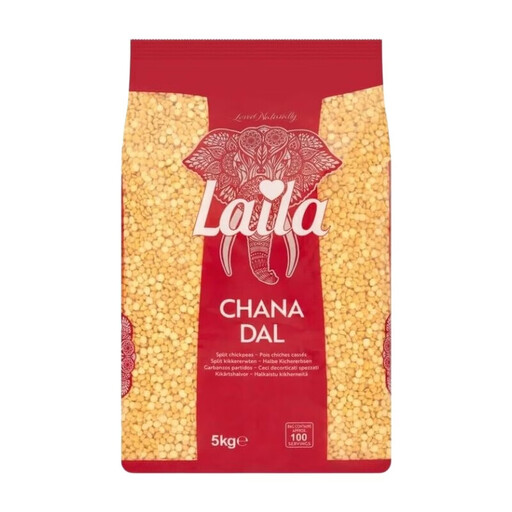
Why This Fits Their Persona: Designed for regular Indian cooking, batch preparation and households that use split chickpeas in dal, curries and soups.
This is clearly identified as split chickpeas, so it avoids the common mistake of expecting whole chickpeas for hummus or salads.
The 5kg pack is suited to frequent use and the listed nutrition includes 23g protein and 11g fibre per 100g.
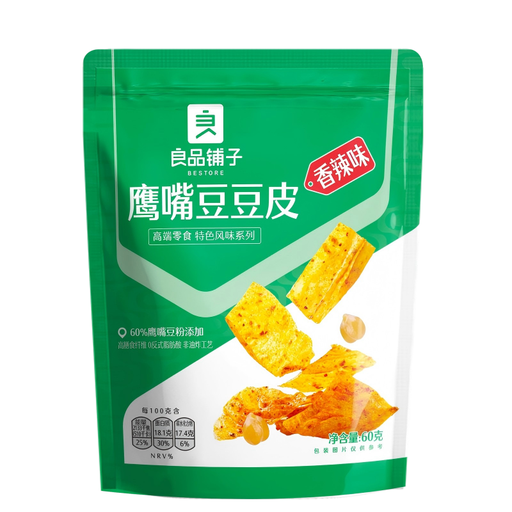
Why This Fits Their Persona: A ready-to-eat choice for packed lunches, travel or an alternative to preparing chickpeas from scratch.
The product is positioned as a snack rather than a plain cooking pulse, so buyers can assess the seasoning, oil and allergen information appropriately.
The 60g pack is portable and ready to eat, with chickpea flour listed as the main ingredient.
We have compiled a complete, real-time list of products that fully satisfy these strict selection criteria and UK safety regulations.
Most tinned chickpeas are pre-cooked and can be eaten cold after draining and rinsing. Heat them thoroughly when adding them to hot dishes and follow the storage instructions after opening.
Unopened dried chickpeas can generally be stored in a cool, dry cupboard until the best-before date shown on the pack. Keep them sealed, check for signs of moisture or pests and cook according to the instructions.
They come from the same pulse, but they are different formats. Chickpeas are usually whole, while chana dal is split and may cook more quickly into a soft, spoonable texture. Choose whole chickpeas for hummus and salads and chana dal for dal and similar recipes.