
24/7 Customer Support

Free returns

Same-day & Next-day Delivery

Quality Guaranteed

Unlock Your Welcome Offers: FREE Delivery | Up to 80% OFF | Free 30-day JoyPlus trial
Download the APP
As a parent or guardian, your child's safety is the top priority on every journey. Choosing the right child car seat can feel overwhelming, with a confusing array of regulations, features and marketing claims. Many well-intentioned buyers fall into common traps, leading to purchases that are either unsuitable, unsafe or quickly outgrown.
This guide, from your Joybuy Product Recommendation Officer, cuts through the clutter. We'll highlight the critical pitfalls to avoid and break down the essential factors you need to consider, helping you make a confident and informed choice for your family.
Before looking at models, it's crucial to be aware of the most frequent mistakes that can compromise safety and waste money.
To navigate the market effectively, focus on these three non-negotiable factors.
This is the single most important technical aspect to understand.
For peace of mind, prioritising an R129-certified seat is a sensible approach.
How the seat connects to your car is fundamental to its performance in a collision.
A child's age is a rough guide, but their height and weight are what truly determine the right fit. A car seat for a 4 year old might be a harnessed seat or a high-back booster, depending entirely on their size. Always check the manufacturer's height and weight limits. A toddler car seat should offer multiple recline positions and excellent head support, while a booster seat for an older child should correctly position the vehicle's seat belt across their shoulder and pelvis.
We've identified several car seats that stand out by addressing the common pitfalls and delivering on key safety and convenience features.

Why This Fits Their Persona: This seat is designed for parents seeking a single, long-lasting solution. It accommodates a child from birth up to 12 years, eliminating the need to buy multiple seats and offering excellent value over its lifespan.
It sidesteps the "one-size-fits-all" compromise with thoughtful features. The 360 rotating car seat function makes placing a baby in rear-facing mode effortless, while multiple recline positions and an adjustable headrest provide a better fit at every stage.
Grows with your child from 0-36kg (birth to 12 years). Features secure ISOFIX installation and deep side impact protection for enhanced safety.
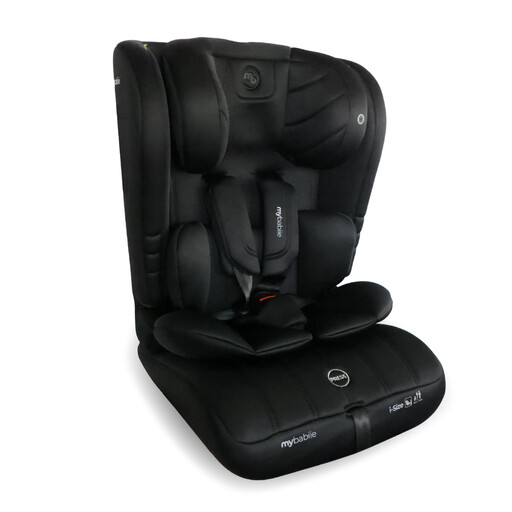
Why This Fits Their Persona: For the parent who prioritises the latest safety regulations, this seat is certified to the R129 i-Size standard, ensuring it has passed more rigorous testing for enhanced protection.
This seat directly addresses the confusion around safety standards. By choosing an R129 certified model, you are getting a product that meets the most up-to-date European requirements, including mandatory side-impact protection.
Converts from a harnessed toddler car seat to a high back booster seat, covering a wide height range (76-150cm). Features simple and secure ISOFIX installation.

Why This Fits Their Persona: Ideal for grandparents, childminders or families with multiple cars. This lightweight booster seat is easy to transfer between vehicles, and the straightforward ISOFIX system makes installation quick and secure every time.
It avoids the vehicle compatibility trap by combining a compact, portable car seat design with the clear, simple installation of ISOFIX. This reduces the chance of a poor fit or incorrect setup when moving the seat frequently.
R129 i-Size certified for children from 100-150cm. Features a 10-position adjustable headrest to provide a safe and comfortable fit as the child grows.
We have compiled a complete, real-time list of products that fully satisfy these strict selection criteria and UK safety regulations.
1. When can my child use a backless booster seat in the UK? According to UK law, children must use a car seat until they are 12 years old or 135cm tall, whichever comes first. While backless boosters are legally permitted for children over 22kg and 125cm, safety organisations strongly recommend using a high back booster seat for as long as possible. The side wings and head support on a high-back model provide crucial protection in a side-impact collision, which a backless cushion does not.
2. How do I know if an ISOFIX car seat will fit my car? The most reliable method is to check the car seat manufacturer's website for a vehicle compatibility list. This will tell you which car models the seat has been tested and approved for. You should also physically locate the two ISOFIX anchor points in your car (usually hidden in the join between the seat back and cushion) and check for a top tether anchor point if the seat requires one.
3. Is it safe to use a second-hand child car seat? It is strongly advised against using a second-hand car seat. You cannot be certain of its history. It may have been involved in an accident, even a minor one, which can cause unseen structural damage and compromise its safety. Plastic can degrade over time and safety standards are constantly improving, so a new seat is always the safer choice.