
24/7 Customer Support

Free returns

Same-day & Next-day Delivery

Quality Guaranteed

Unlock Your Welcome Offers: FREE Delivery | Up to 80% OFF | Free 30-day JoyPlus trial
Download the APP
Navigating the world of child car seats can feel overwhelming. With an array of types, technical terms and safety regulations to consider, choosing the right one for your little one is a significant decision. As a parent or guardian, your primary concern is safety, followed closely by practicality and value. This guide is designed to cut through the clutter, offering clear, straightforward advice to help you select a suitable child car seat for your family's needs.
Making an informed choice starts with understanding the fundamentals. Here are a few key points to consider that align with UK safety standards and everyday parental needs.
Child car seats are categorised by weight and sometimes height, known as 'Groups'. You may see labels like Group 0+, 1, 2 and 3. Instead of buying a new seat for each stage, many parents opt for a multi-stage car seat. A group 1/2/3 car seat, for example, can adapt as your child grows from a toddler into a pre-teen, making it a cost-effective and long-term solution. A baby car seat from birth (Group 0+) is typically rear-facing, which is essential for protecting an infant's delicate neck and spine.
You will frequently encounter the term ISOFIX car seat. ISOFIX is an international standard for fitting child car seats securely without using the vehicle's seat belts. It uses two rigid anchor points built into the car's chassis, often combined with a top tether or support leg, to create a firm connection. The main advantage is that it significantly reduces the risk of incorrect installation. Most cars manufactured since 2013 have ISOFIX points, but it is always wise to check your vehicle's handbook.
Beyond the basic requirements, certain features can enhance both safety and convenience.
Based on features that offer safety, longevity and practicality, here are some notable options to consider for your family.

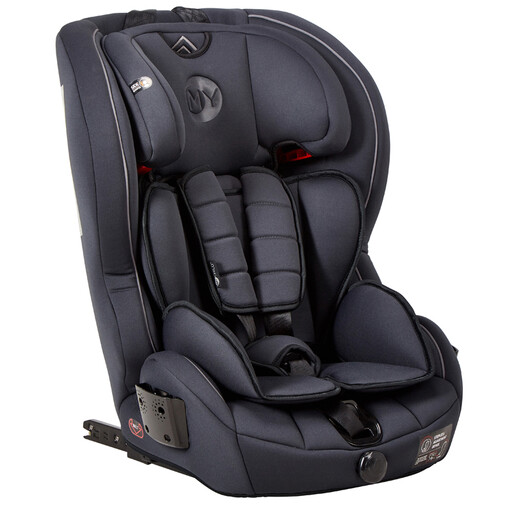
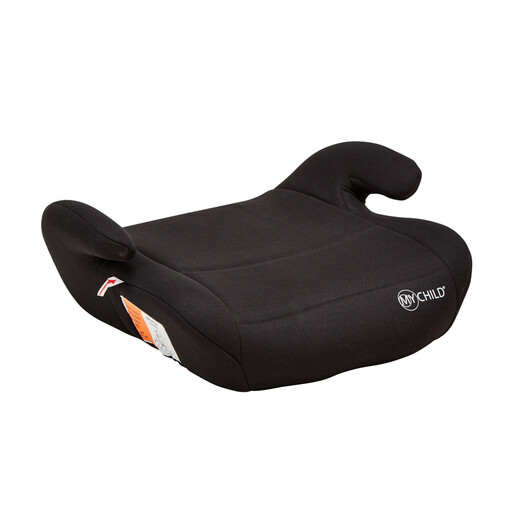
If the recommendations above aren't quite what you're looking for, or if you need accessories like seat protectors or sun shades, there are many other models available.
Explore our full range of car travel accessories to find the perfect fit for your vehicle and family.
1. How long can a baby stay in a car seat on a journey? It is generally recommended that newborn babies spend no more than 30 minutes at a time in a car seat. For older babies, the advice is often not to exceed two hours. This is to protect their developing spine and ensure their breathing is not restricted. Always plan for regular breaks on long journeys to take your baby out of the seat.
2. What is the difference between a Group 2/3 car seat and a high back booster seat? These terms often describe the same product. A high back booster seat is the common name for a Group 2/3 car seat. It is designed for children who have outgrown their harnessed seat (typically around 15kg). It uses the car's 3-point seat belt to secure the child and has a supportive back and headrest with side wings to provide protection that a simple booster cushion cannot.
3. Is an ISOFIX car seat safer than one fitted with a seat belt? Both ISOFIX-installed and correctly fitted seat belt-installed car seats are safe and must pass the same rigorous safety tests. The primary safety advantage of an ISOFIX car seat is that it reduces the margin for human error during installation. Many systems have colour-coded indicators to confirm the seat is locked in correctly, providing extra peace of mind. The safest car seat is always the one that is compatible with your car, suitable for your child and installed correctly every time.