
24/7 Customer Support

Free returns

Same-day & Next-day Delivery

Quality Guaranteed

Unlock Your Welcome Offers: FREE Delivery | Up to 80% OFF | Free 30-day JoyPlus trial
Download the APP
Navigating the world of child car seats can feel overwhelming. With evolving safety regulations, a vast array of features and different stages to consider, finding the right fit for your family and vehicle is a significant decision. As a parent or guardian, your primary concern is safety, followed closely by convenience and value. This guide is designed to simplify the process, helping you understand the key features to look for and highlighting some practical options available today.
Before diving into specific models, it’s helpful to understand the core principles of car seat selection. Focusing on these three areas will help you narrow down your options effectively.
You will frequently see two safety standards mentioned: ECE R44/04 and the newer R129 i-Size regulation.
A correctly installed car seat is a safe car seat. Most modern cars are equipped with ISOFIX anchorage points—metal clips built into the vehicle's frame. An ISOFIX car seat clicks directly onto these points, often with a colour-coded indicator to confirm a secure connection, which can reduce the risk of incorrect fitting. Alternatively, seats can be fitted using the car's 3-point seat belt. This method is equally safe when the instructions are followed precisely and is a universal option for cars without ISOFIX points.
A multi-stage car seat is designed to adapt as your child grows, potentially covering them from birth right up to 12 years old. These seats, often labelled as Group 0/1/2/3 or a car seat 0-12 years, transform from a rear-facing infant seat with a harness to a forward-facing toddler car seat and finally to a high-backed Group 2/3 booster seat. This can be a cost-effective and convenient choice, eliminating the need to purchase multiple seats over the years.
Based on features that prioritise safety, convenience and adaptability, here are some standout options for UK families.
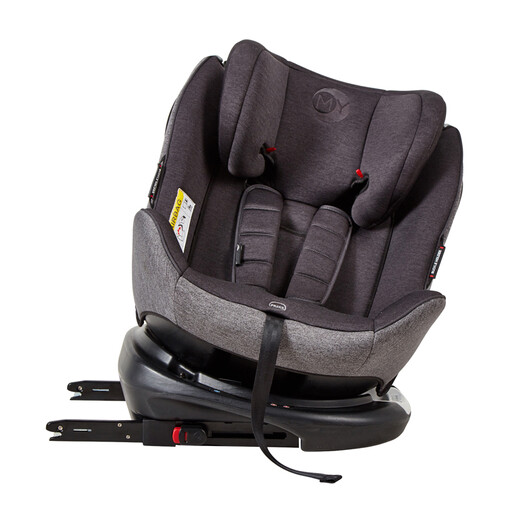
Why It Stands Out: The Chadwick is a comprehensive solution designed to last from birth until your child no longer needs a car seat. Its standout feature is the 360 rotating car seat mechanism, which allows you to turn the seat towards the car door. This makes securing a wriggling baby or toddler significantly easier and reduces strain on your back.
Pros:
Who is it for? This is an ideal choice for parents looking for a single, long-lasting investment. The rotation feature is particularly useful for those with infants and toddlers in the rear-facing position.
View the Mychild Chadwick Car Seat
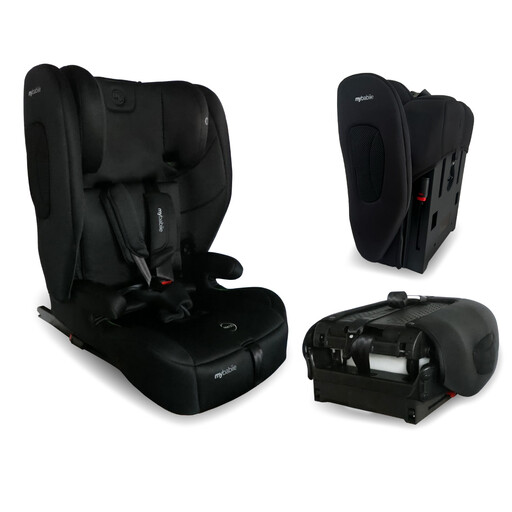
Why It Stands Out: This seat combines the latest R129 i-Size safety certification with an innovative foldable design. It transitions from a harnessed toddler car seat to a high-back booster, but its ability to fold flat makes it exceptionally practical for storage or moving between cars.
Pros:
Who is it for? This seat is well-suited for safety-conscious parents who also value practicality and portability. If you frequently switch cars or need a seat that can be easily stored, the foldable design is a major advantage.
View the My Babiie Foldable Car Seat
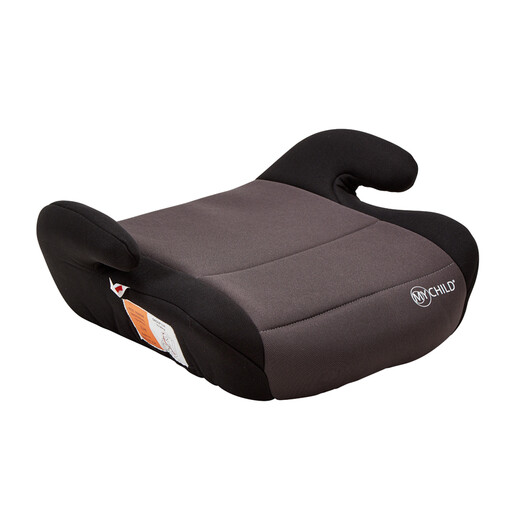
Why It Stands Out: The Brundle booster is the definition of a simple, effective and portable car seat. Weighing less than 1kg, this backless booster is designed for older children who have outgrown their harnessed seats but still need a lift to ensure the vehicle's seat belt is positioned correctly and safely across their body.
Pros:
Who is it for? This is a perfect secondary seat for a car seat for 4 year old children and above (from 15kg). It's an excellent, low-cost option for grandparents, childminders or for parents who need a convenient booster for occasional use.
View the Mychild Brundle Booster Seat
If the recommendations above aren't quite what you're looking for, or if you're also in need of other travel essentials for your little one, we have a wider selection to explore.
Discover more in our toddler pram seat category
The main differences are that R129 i-Size seats are classified by a child's height, not weight and they mandate rear-facing travel until at least 15 months of age. They also undergo more advanced side-impact testing, making them the current benchmark for car seat safety.
Under R44 regulations, children can be moved to a forward-facing seat once they weigh over 9kg. However, under the newer R129 i-Size standard, children must remain rear-facing until they are at least 15 months old. Safety organisations widely recommend keeping children rear-facing for as long as possible, as it offers better protection for their head, neck and spine in a collision.
Most cars manufactured since 2006 have ISOFIX anchorage points in the two outer rear seats. You can typically find them by feeling for two metal loops in the gap between the seat base and backrest. Many car seat manufacturers also provide a vehicle compatibility list on their website, allowing you to check if a specific seat model is approved for your car.