What matters when choosing?
Start with the child’s main activity and whether access needs to be personal or shared. Device and account controls are a setup task whichever route you choose.
Tablet
Consider it when: video, casual games and home use call for a touch screen, without a clear need for portable calling.
Bear in mind: access to apps and communication still needs appropriate account settings; a larger screen does not remove those decisions.
Smartphone
Consider it when: calls, messaging or access away from home are genuine needs as well as entertainment.
Bear in mind: personal, portable access makes communication permissions and use times particularly important to review.
Games console
Consider it when: gaming is the main purpose and you want games to shape the household setup.
Bear in mind: online play can still involve other players and digital purchases; console controls vary by platform.
Shared family device
Consider it when: the child can watch or play at agreed times in a common area without independent access.
Bear in mind: sharing does not replace a suitable child profile or account; some console-wide restrictions also affect other users.
| Concern |
What to check |
Who this matters to |
| First independent access |
Decide whether use will be shared or personal, and check for a separate child account or profile. |
If I want to introduce online access gradually, being able to keep use in a common space matters more than giving the child their own screen. About 29% of consumers put supervised first access first. |
| Video and app flexibility |
Check screen size and storage for intended use, then confirm app approvals and time settings on the chosen device. |
For a child mainly watching videos and playing casual games at home, I need access to suitable apps without assuming a phone is necessary. Around 29% of consumers prioritise that video-and-app flexibility. |
| Gaming controls |
Check game ratings and the exact console’s multiplayer, communication, playtime and spending settings. |
When online games are the main reason for the device, I want to manage who the child plays with and what they can access. About 21% of consumers make gaming controls their primary concern. |
| Portable communication |
Confirm the need for calls or messaging, the intended services and the child account’s communication controls. |
If the child needs to contact family away from home, I have to consider a device they can carry and the contact settings it allows. Roughly 21% of consumers place portable communication first. |
Tablets for supervised video and games
These Joybuy tablets are options to consider when a child’s main use is video, apps and games rather than portable calling. Check the child-account and service settings needed in your household before choosing one.
 No image available
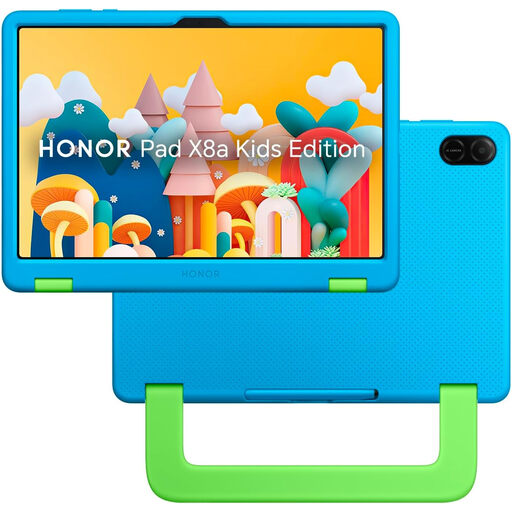
HONOR X8A Kids 11-inch Wi-Fi tablet, 128GB, Space Grey
Consider this tablet for home-based video and games if an 11-inch screen suits the child’s use. The listing describes parental controls and parent-and-child account setup; check that the exact software and controls support the services and settings you intend to use.
Joybuy
 No image available
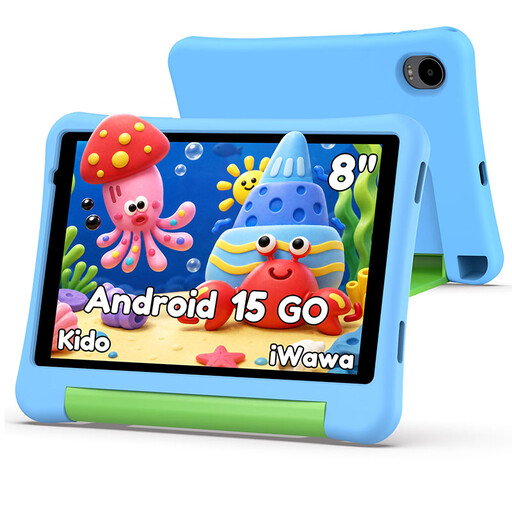
Alldocube Kido 8-inch Android 15 tablet with blue protective case
This 8-inch Wi-Fi tablet is an option for supervised video and games where the included protective case is useful. Its listed configuration is 3GB RAM and 32GB storage; the listing describes a child-lock feature, which you should check against the controls your household needs. An adapter is not included.
Joybuy
 No image available
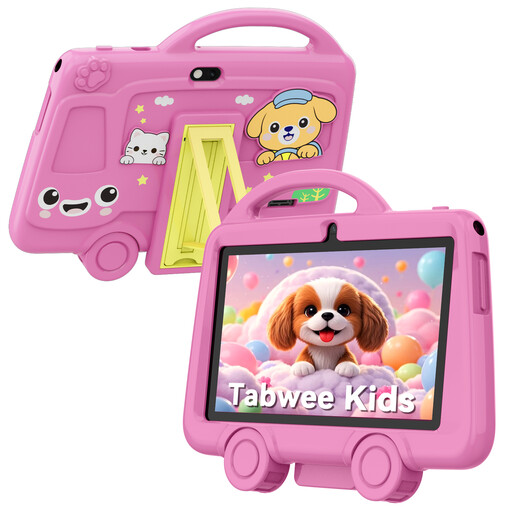
TABWEE K8 7-inch children’s tablet, 2GB RAM and 32GB storage
Consider this smaller Wi-Fi tablet for video and games used under adult supervision, as the listing advises. It lists 2.4GHz Wi-Fi, a 285g weight and an included protective case. Check which child-account and parental-control settings are available for the intended services before handover.
Joybuy
Common questions
Is a tablet safer than a smartphone for a child?
Not automatically: both can provide access to video, games, apps and communication. Choose a tablet when home-based use meets the need, or consider a phone when portable communication matters; in either case, set up a separate child account, check each service’s age requirements and agree how the device will be used.
Can a games console be a child’s main connected device?
Yes, if gaming is the main activity and the household is ready to manage online features. Nintendo, Xbox and PlayStation describe controls for aspects of play and communication, but check the exact console, child account, game ratings and spending settings before use.
Should siblings share one console or tablet?
Sharing can keep use in a common area, but give each child an appropriate account or profile where the platform supports it. Nintendo says console-level parental controls apply to everyone using a shared Switch, while Apple advises against sharing an Apple Account between family members.
Do parental controls stop all unsuitable content or contact?
No. UK government guidance says controls can help manage online use but cannot address everything. Test the settings before handover, revisit them as the child’s activities change and keep talking about what to do if an online interaction is upsetting or unsafe.


