Start with the games the child wants to play, their PEGI ratings and whether the people they want to play with use a compatible platform. An existing family device can be the first choice if it runs those games and supports a supervised child account; otherwise, choose a console, computer or tablet whose account, communication, playtime and spending controls your household can set up and maintain. Check how restrictions affect everyone sharing the device before deciding.
Who is this decision for?
Families choosing a game ecosystem
If particular games or a child’s friends drive the decision, check the platforms each game supports rather than choosing by device type alone. Ofcom’s research into UK children describes gaming and online activity across several kinds of device.
Households planning active supervision
If content, communication, playtime and purchases need managing, compare the family-account settings you can put in place before the child starts playing. Nintendo, PlayStation, Microsoft and Apple describe different controls and account requirements for their platforms.
Families considering a shared device
An existing device may meet the need, but check whether the child can use a separate account and whether restrictions affect other users. Nintendo says Switch parental-control settings apply to everyone using the console; Apple advises giving a child their own Apple Account.
What matters when choosing?
For a child’s first main gaming device, establish game and platform fit before comparing how each household setup handles supervision, sharing and mobile use.
| Concern | What to check | Who this matters to |
|---|
| Games and play group |
Check each intended game’s platforms and PEGI rating, then confirm whether the child can play with their friends or family. |
If the games I want for my child will not run on a device, or they cannot join the people they expect to play with, its other features will not settle the choice. Roughly 31% of consumers put this match first. |
| Supervision and spending |
Check child-account setup and the available content, communication, playtime and purchase settings, including controls within the game. |
I need to establish boundaries for play and purchases before handing over the device, and I need to be able to manage them. For around 25% of consumers, that is the primary concern. |
| Sharing an existing device |
Confirm whether the child can have a managed account and whether restrictions apply to that account or the whole device. |
If we already have suitable hardware, I would rather assess how sharing works before adding another device to the household. Shared-device practicality comes first for roughly 25% of consumers. |
| Mobile flexibility |
Check that the intended games work on the phone or tablet and that its family account supports the app and purchase settings you need. |
I want a portable device the child can use for games and other apps, provided its wider access can be managed. Around 19% of consumers prioritise that mobile-device need. |
Mistakes to avoid
-
Choosing hardware before checking the games
A console, computer and tablet do not necessarily provide access to the same title, online mode or group of players.
List the likely games, then check their supported platforms, PEGI ratings and multiplayer arrangements before choosing a device.
-
Using an adult or administrator account for the child
Account-specific boundaries may not work as intended. Apple advises that a child use their own Apple Account, and Microsoft warns that a Windows administrator can change or break Family Safety settings.
Set up the relevant family group and a separate child account; on Windows, make the child a standard user.
-
Assuming every shared-console restriction is personal
Nintendo says Switch parental-control settings apply to everyone using the console, which matters when adults or older siblings share it.
Check whether each restriction applies to a child account or the entire device before relying on a shared-console arrangement.
-
Overlooking purchases after setup
Games may offer purchases after the child begins playing. The UK Government’s online-gaming guidance identifies in-game purchases as a consideration for families.
Check each game’s purchase options and set the platform’s approval, restriction or spending controls before use.
Depending on the games chosen, subscriptions, additional content and in-game purchases may also need managing.
Relevant platform brands
Nintendo
Consider a Switch or Switch 2 route if the child’s intended games are available on that console.
- Nintendo describes gameplay monitoring, daily playtime limits and restrictions on gameplay features. Nintendo eShop purchase restrictions use a parent or guardian account and a supervised account in a family group.
- Nintendo says Switch parental-control settings apply to everyone using the console, an important constraint for mixed-age sharing.
PlayStation
Consider PlayStation when the required games and the child’s play group use its console ecosystem.
- Sony Interactive Entertainment describes family controls for playtime, age restrictions, spending, communication and activity reports.
- The family and child accounts must be set up, and the supervising adult should check the PlayStation Family app’s mobile-device requirements.
Xbox and Microsoft
These family-management tools are relevant to Xbox consoles and connected Windows gaming computers.
- Microsoft describes Xbox settings for screen time, age-based content, communication and multiplayer, alongside Family Safety scheduling and child-account spending controls.
- On Windows, Microsoft warns that giving a child administrator access can allow them to change or break Family Safety settings.
Apple
An iPad or iPhone route is worth considering when the intended games work on it and the household can manage the child through Family Sharing.
- Apple describes Screen Time controls for apps, content, communication and use timing, plus Ask to Buy approvals for eligible downloads and purchases.
- Apple advises using the child’s own Child Account rather than a shared account; family devices may need current software for settings to sync.
Joybuy tablet options
These tablets relate to the mobile-device route. Before choosing either one as a child’s first gaming device, check the intended games, their PEGI ratings and the account, communication and spending settings your household needs.
 No image available
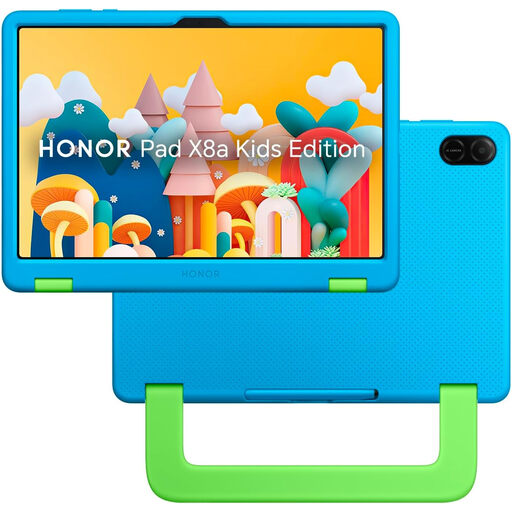
HONOR X8A Kids 11-inch Wi-Fi tablet, 128GB, Space Grey
Consider this tablet if the child’s intended games are available for it and you want to review the child-account and content settings described in its listing.
The listing specifies an 11-inch Full HD display, 4GB RAM, 128GB storage and Wi-Fi. Check the available communication and spending controls, and confirm game requirements before choosing it.
Joybuy
 No image available
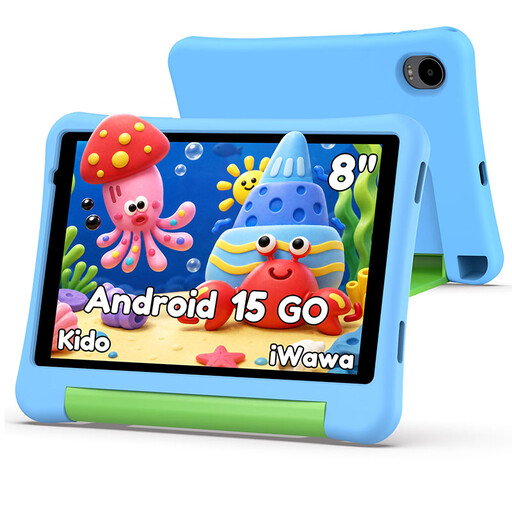
Alldocube Kido 8-inch Android 15 tablet, 3GB/32GB, blue case
Consider this tablet for mobile-compatible games if its child-lock settings meet the household’s supervision needs.
Its listing specifies Android 15, 3GB RAM, 32GB storage and a blue protective case, and describes screen-time and content controls. Confirm the account, communication and spending settings; the listing says an adapter is not included, so check that you have a compatible one.
Joybuy
Common questions
Should I check PEGI ratings before choosing the device?
Yes: check the rating of each intended game as well as the hardware it runs on. UK Government online-gaming guidance states that games rated PEGI 12, 16 or 18 cannot be sold or hired to someone below the relevant age.
Can parental controls make any game suitable for a child?
No. Controls can help manage access, time, communication and spending, but you still need to assess the game’s PEGI rating and online features. UK Government guidance also highlights potential contact with strangers, inappropriate content and in-game purchases.
Should a child use an adult’s account on a shared device?
Use a separate child account where the platform supports one. Apple advises against sharing an Apple Account with a child, while Microsoft warns that administrator access on Windows can let a child change or break Family Safety settings; also check whether any restrictions affect everyone sharing the device.
How can I manage gaming purchases from the start?
Set up the platform’s family and spending settings before the child uses the device, then inspect purchase options in each intended game. Nintendo describes eShop restrictions for supervised accounts, PlayStation offers a monthly spending limit, Microsoft describes child-account spending controls, and Apple’s Ask to Buy covers eligible downloads and purchases.


