Fast weekday tea-time planners
You want an ingredient for sandwiches, pasta or jacket potatoes without a raw-fish cooking step. Tin size and instructions for storing leftovers matter if the meal uses only part of a can.


Choose tinned tuna when tea time calls for an already-cooked ingredient that can go straight into a sandwich, pasta or a jacket potato. Choose frozen tuna steaks for a planned, cooked meal only if you can follow the pack’s storage, defrosting and cooking directions; frozen does not mean suitable to serve raw. Do not serve tuna to a child with a fish allergy, and check the individual label for any shellfish precaution and bone warning.
You want an ingredient for sandwiches, pasta or jacket potatoes without a raw-fish cooking step. Tin size and instructions for storing leftovers matter if the meal uses only part of a can.
You want a cooked fish main and can make time for freezer storage, any required refrigerator defrosting and the cooking method on the pack. Asda’s frozen tuna-steak directions, for example, include a route for cooking from frozen.
You need to check the child’s established allergy requirements against the exact label, distinguish fish from shellfish precautions, look for bone warnings and follow the product’s cooking and storage directions.
For a child’s tea time, establish whether tuna is suitable for the child before choosing between a ready-to-use tin and a steak that needs cooking.
| Concern | What to check | Who this matters to |
|---|---|---|
| Allergens, bones and serving | Check the current fish-allergen declaration and any product-specific shellfish precaution. Read bone warnings and the cooking directions for raw fish. | If a child has an allergy or a pack warns that bones may remain, I need to establish whether the food is suitable and inspect the portion before serving. About 33% of consumers put these safety checks first. |
| Speed and portions | Compare chunks, flakes and no-drain formats; check pack size, drained weight and directions for opened contents. | When tea time needs assembling quickly, I want tuna I can use without cooking a raw steak, in an amount that suits the meal. For about 42% of consumers, speed and practical portioning are the primary concern. |
| A cooked steak meal | Check whether the steak is frozen or chilled, whether cooking from frozen is permitted, and the pack’s storage and defrosting instructions. | If I’m planning a plated tuna-steak meal, I can allow time to store and cook the fish as directed rather than use it straight from the cupboard. That meal format comes first for about 25% of consumers. |
Tuna is fish; crustaceans and molluscs are separate shellfish groups. University Hospitals Dorset NHS Foundation Trust notes that a person may react to fish, shellfish or both. A tuna label’s shellfish precaution is product-specific.
Check the exact pack against the child’s established allergy plan, including any precautionary allergen statement. Do not assume either that all tuna contains shellfish or that an unexamined product is suitable.
The Asda frozen tuna steaks are raw: their directions say not to eat them raw and to cook them fully. They also warn that some bones may remain.
For immediate meal assembly, choose a suitable tin. For a steak meal, follow that product’s defrosting or from-frozen cooking route and check the fish before serving.
Marks & Spencer directs shoppers to move unused tuna chunks into a non-metallic container, refrigerate them and eat them within two days. Other packs should be handled according to their own directions.
Choose a tin size that fits the planned meal, and note when you opened it so leftovers can be used within the stated period.
A larger tin can also mean discarding unused tuna if the household cannot use it within that period.
The NHS says fresh and canned tuna do not count as oily fish in its fish guidance.
If including oily fish is part of the family’s meal plan, account for it separately rather than counting the tuna tea as that portion.
Its tinned-tuna range includes chunks and no-drain formats for cupboard meals.
Its tuna range includes spring-water chunks and a sandwich product made with chunks and flakes.
Its own-label tinned-tuna options include spring-water tins and multipacks.
Its own-label range offers tinned tuna in different packing liquids and pack formats.
Its frozen tuna-steak option is for a cooked main meal rather than an immediate tinned-tuna filling.
Its range includes tinned tuna chunks in spring water and a separate chilled tuna-steak format.
These selections cover tinned tuna for quick tea-time meals and a frozen steak option for a planned cooked meal. Choose the format first, then check the individual pack for the child’s allergy requirements, bone information and handling directions.
 Image unavailable
For a quick filling when you want to skip draining, this pack contains three 100g cans. Tuna contains fish: check the current label for the child’s allergy requirements and any shellfish precaution, and inspect portions for bones. Refrigerate opened contents and use them within the product’s stated two-day period.
 Image unavailable
The six-can pack suits plans for several cupboard meals, while each 145g can can be opened separately. Check the current allergen label and inspect portions for bones. For leftovers, the product directions call for a non-metallic lidded container, refrigeration and use within two days.
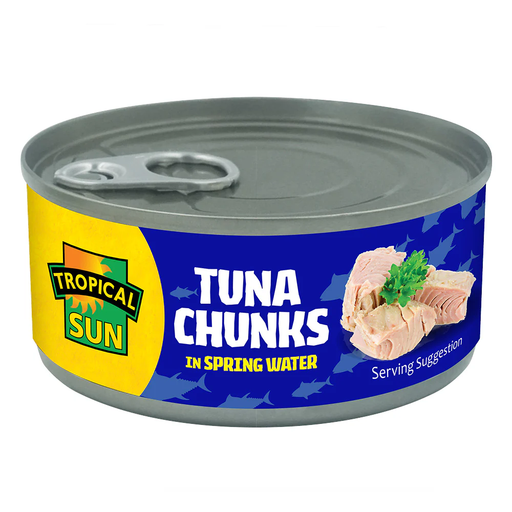 Image unavailable
This 160g tin is a ready-to-use chunk format for a quick meal. Its product information declares fish and says it may contain soybeans and wheat; check the current label for all relevant precautions. The serving directions also call for checking for small bones and supervising children while they eat.
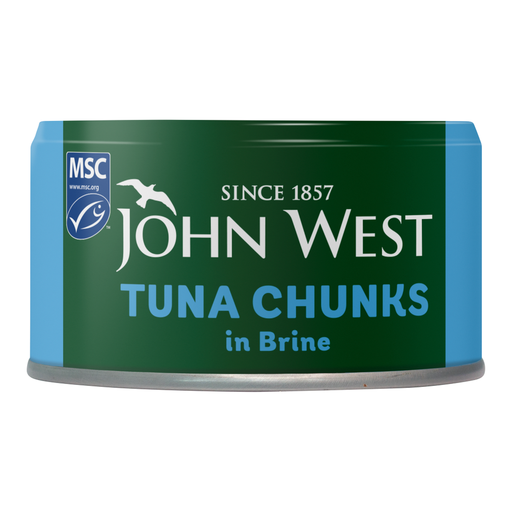 Image unavailable
A single 125g can may suit a meal that does not call for a multipack. The product warns that some bones may remain, so check portions before serving; check its current allergen label too. Refrigerate opened contents and use them within the stated two-day period.
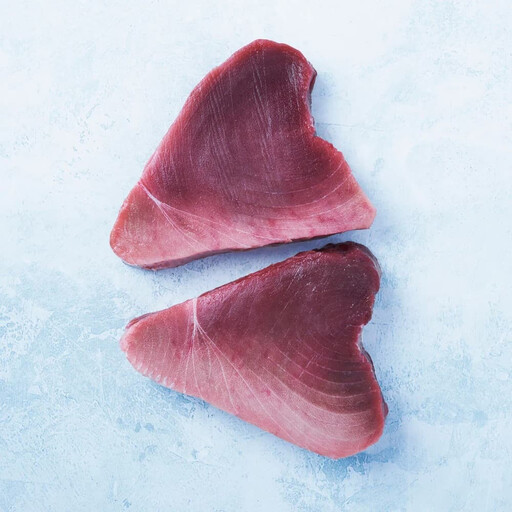 Image unavailable
Choose this frozen, two-steak pack for a planned cooked meal, not an immediate tinned-tuna filling. Follow its storage, defrosting and cooking directions and check portions for bones before serving. The product declares fish and says it may contain crustaceans and molluscs; the “Sashimi Grade” name is not a reason to assume raw or rare serving is suitable for a child.
Tinned tuna is the quicker route when you need an already-cooked ingredient for a sandwich, pasta or jacket potato. Frozen steaks need cooking; Asda’s checked frozen product also requires at least eight hours of refrigerator defrosting for its defrosted pan-fry method, although its pack gives a separate oven-cook-from-frozen route.
Do not infer that from the word “frozen” or from another product’s marketing name. Asda’s frozen tuna-steak directions explicitly say not to eat it raw and to cook it fully. Check and follow the directions for the exact steak you buy rather than transferring instructions between products.
No. Tuna is fish, while shellfish includes crustaceans and molluscs. University Hospitals Dorset NHS Foundation Trust notes that allergies may involve fish, shellfish or both, so check the individual tuna product’s ingredients and precautionary statements against the child’s established allergy requirements.
Follow the directions on the tin you opened. Marks & Spencer instructs shoppers to transfer unused tuna chunks to a non-metallic container, refrigerate them and eat them within two days; check whether your chosen product gives the same directions and period.
No. The NHS says fresh and canned tuna do not count as oily fish. If your family’s meal plan includes oily fish, account for that separately rather than treating a tuna meal as its replacement.