Parents planning supervised online play
If the child expects to play with friends or use a game’s communication features, you will need to consider their account, privacy permissions and each game’s chat and reporting tools.


Choose a child’s first connected console around the games they want to play, where the household will play them and how adults will manage the child’s account. Nintendo Switch is worth considering for portable and shared-screen play; Xbox Series S and PS5 Digital Edition suit households choosing their respective digital game libraries and a TV-based setup. Whichever route fits, check each game’s age rating, communication features and online-play requirements separately from the console’s family settings.
If the child expects to play with friends or use a game’s communication features, you will need to consider their account, privacy permissions and each game’s chat and reporting tools.
If siblings or adults will play together, consider where the console will sit, how many people can play the intended games at once and which controllers or profiles they will need.
If you want to review games and purchases, set up a managed child account rather than giving the child an adult account. Check account-level controls alongside each game’s features.
Start with the child’s intended games and the household’s play location, then compare the account setup and the practical commitments of each console route.
Consider it when: Portable, tabletop or shared-TV play matters to the household.
Bear in mind: Nintendo says console-level restrictions apply to everyone using a shared Switch; Nintendo Account purchasing settings need separate attention.
Consider it when: The household wants Xbox games on an HDMI-capable TV and can manage separate family profiles.
Bear in mind: Xbox Series S is all-digital, so it cannot use disc-based games.
Consider it when: The family wants PlayStation games and is comfortable obtaining games digitally.
Bear in mind: This edition has no built-in disc drive, and the child needs a separately managed account for family controls.
| Concern | What to check | Who this matters to |
|---|---|---|
| Communication and child accounts | Set up a child account; review who can contact the child and the intended games’ chat and friend-request settings. | If online play means talking with friends, I want to know who else can make contact without losing the social play my child enjoys. Around 31% of consumers put communication and account controls first. |
| Shared play and setup | Confirm the play location and display connection, then check each game’s player and controller requirements. | When our family shares a screen, I need enough room and controllers for the people who will actually play. For around 25% of consumers, household setup is the primary concern. |
| Game access and spending | Review each game’s PEGI rating and purchase features; configure the relevant account spending controls. | If my child asks for a game or an in-game item, I want to assess its content and decide what they can buy. Managing game access and spending comes first for around 25% of consumers. |
| Game format and online services | Decide whether discs matter; check storage options and online-membership requirements for the intended games. | If we expect to borrow physical games or download several titles, I need to understand what the chosen console and games will allow. Around 19% of consumers chiefly prioritise game format and ongoing services. |
Account and console settings address parts of access, privacy and communication, but individual games can have their own chat, friend requests and purchase features.
Set up the child account, then review the PEGI rating, communication options and blocking or reporting tools for each intended online game.
PlayStation warns that a child using an adult account can access its services without parental controls. Xbox family settings likewise depend on managing the relevant family member’s account.
Create the adult organiser account first, add a separate child account and check its restrictions before the child starts playing.
Xbox Series S cannot play disc-based games, and PS5 Digital Edition has no built-in disc drive.
If the family plans to use physical games, compare the exact console variant before choosing games for it.
A digital-only choice also rules out borrowing, buying used or reselling discs for use with that console.
Nintendo notes that some local games need additional controllers and that certain Switch games require Nintendo Switch Online for online play.
For the games the child is likely to play first, check the player count, controller requirements and online-play terms before deciding what equipment is needed.
The Switch family is relevant when a household wants to consider handheld, tabletop and TV play alongside shared local games.
Xbox Series S is a TV-based, all-digital route for households considering Xbox games and managed family profiles.
PS5 is relevant when the household wants PlayStation games and will manage a separate account for the child.
These consoles cover Nintendo Switch 2, Xbox Series S and PS5 Digital Edition choices for a connected household setup. Compare the exact variant and intended games before deciding which fits your family.
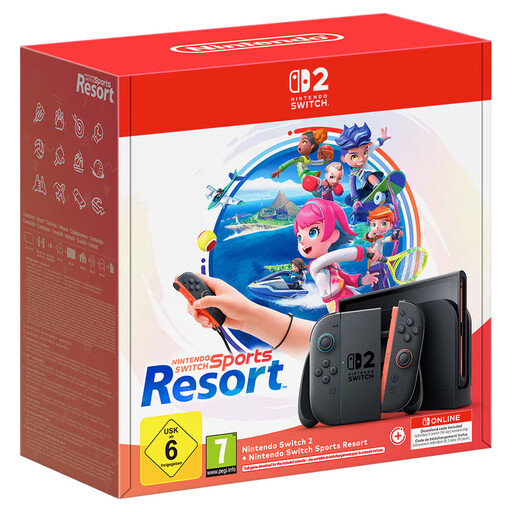 No image available
Consider this bundle if Nintendo Switch 2 and the named game suit the child’s plans. Check the game’s age rating, online features and the bundle’s current contents; configure Nintendo Account settings separately from console controls.
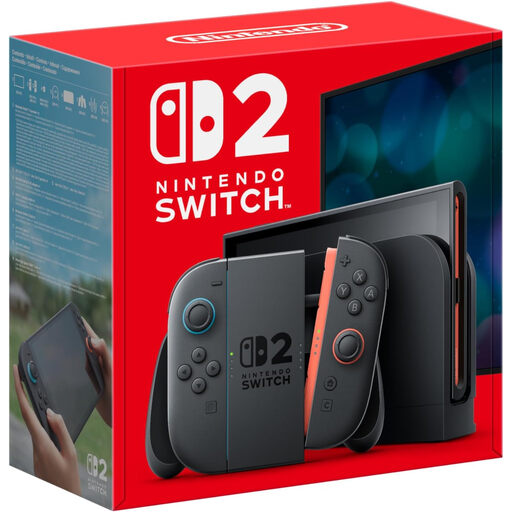 No image available
Consider this console if the family is choosing Nintendo Switch 2 without the named game bundle above. Confirm the included controllers against the number of local players, and check each intended game’s online-play requirements.
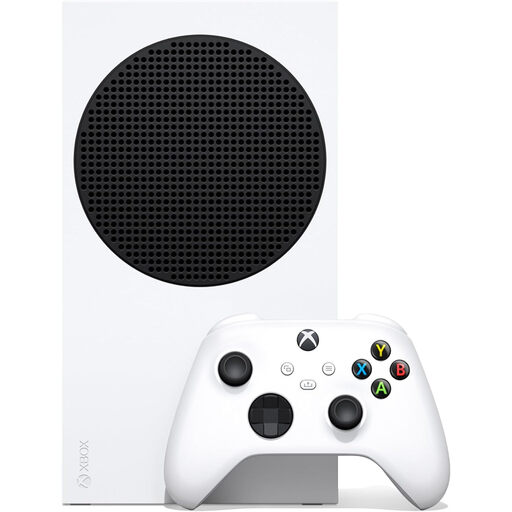 No image available
This 1TB variant suits a household choosing Xbox games digitally on a TV. Series S cannot use discs; plan for a managed child account and check the intended games’ storage and online-play needs.
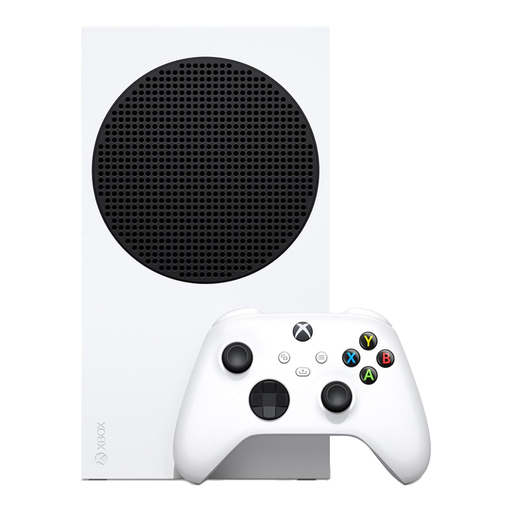 No image available
This 512GB variant is another Xbox Series S choice for digital games on a TV. Check the child’s likely download and storage needs; like other Series S models, it cannot use game discs.
 No image available
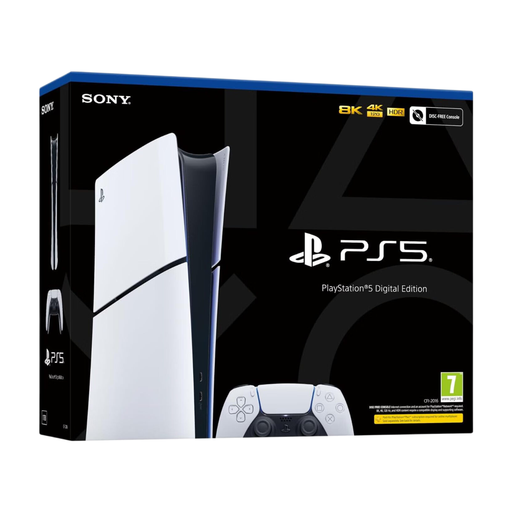
Consider this PS5 variant if the household wants PlayStation games and digital downloads. It has no built-in disc drive; create a separate child account to use PlayStation’s family settings.
No. Console and account controls can manage parts of access, spending, privacy and communication, but each game needs its own check. Review its PEGI rating, chat and friend features, purchases and reporting tools before the child plays online.
Set console parental controls and review Nintendo Account family settings separately. Nintendo says console-level restrictions apply to everyone using a shared Switch, while eShop viewing and purchasing are managed through account settings.
A separately managed child account is the appropriate route for using the platforms’ family settings. PlayStation warns that a child using an adult account can access its services without parental controls; Xbox organisers manage privacy and online-safety settings for members of their family group.
That depends on the platform and game. Nintendo says certain Switch and Switch 2 games require Nintendo Switch Online for online play; check the intended game’s listing and current membership terms before relying on its online features.
Xbox Series S cannot play disc-based games, and PS5 Digital Edition has no built-in disc drive. Check the exact variant if borrowing or using physical games is part of the household’s plan.