What matters when choosing?
For a child’s first connected device in a shared home, work out who will use it and how the child’s account will be managed before choosing where games will be played.
Nintendo Switch family
Consider when: Portable play and play on a shared TV both matter.
Account trade-off: Nintendo says Switch console restrictions apply to all its users, while supervised Nintendo Account settings cover eShop purchases and content. Check how these controls work on the exact model.
PlayStation console
Consider when: A shared console needs separate playtime, communication and spending settings for each child.
Storage trade-off: Sony Interactive Entertainment says PS5 games stored on USB extended storage must be moved to console or compatible M.2 SSD storage to play.
Xbox or Windows PC
Consider when: The household wants Microsoft family management across Xbox and Windows PC, with separate profiles on a shared console.
Purchase trade-off: Microsoft Xbox says child-account approval is on by default, but a child can still spend a gift-card or Microsoft-account balance. On PC, check the controls for each game store used.
Tablet or mobile device
Consider when: The same device needs to run games and other apps.
Control trade-off: Apple’s Family Sharing settings depend on the child’s Apple Account and supported device settings; Google says Play purchase approvals cover Google Play billing, not every payment route.
| Concern |
What to check |
Who this matters to |
| Child account |
Confirm how to create the child’s own account with their correct date of birth and connect it to adult management. |
I want the child’s online access managed separately from my own login; around 33% of consumers put the child-account setup first. |
| Shared access |
Find out whether restrictions follow the console, an account or a particular device, and how adult profiles stay protected. |
When several people use one screen or device, I need controls that still work for the child without unexpectedly changing everyone’s access; roughly 27% of consumers make shared use their main concern. |
| Contact and purchases |
Check communication permissions and purchase approvals, including any limits involving account balances or payment routes. |
Before multiplayer starts, I want to decide who can contact the child and when an adult must approve a purchase; about 20% of consumers prioritise those permissions. |
| Device use and storage |
Decide between portable, TV and general-purpose use; check the exact console’s requirements before choosing expansion storage. |
If the device also needs to travel or run other apps, I need that flexibility without overlooking where games can be played or stored; around 20% of consumers place this need first. |
Joybuy device choices
These choices cover Nintendo Switch 2 consoles for portable or shared-screen play and tablets that may also be used for other apps. Check the child-account controls on the exact device before relying on them for connected play.
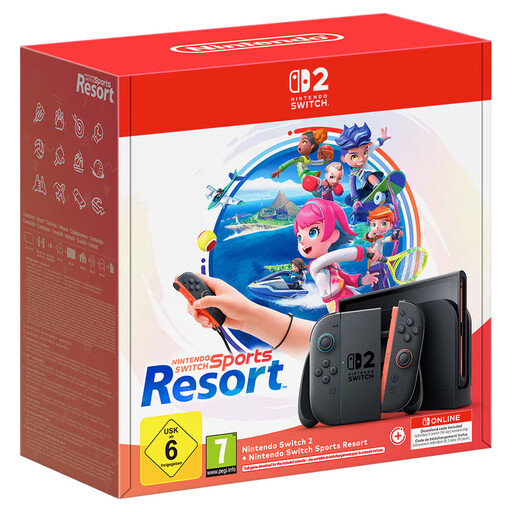 Image unavailable
Nintendo Switch 2 Console + Nintendo Switch Sports Resort
Consider this bundle if the household plans both handheld and shared-TV play. Before enabling online features, check the account and membership requirements and how parental approval for GameChat works on this console.
View on Joybuy
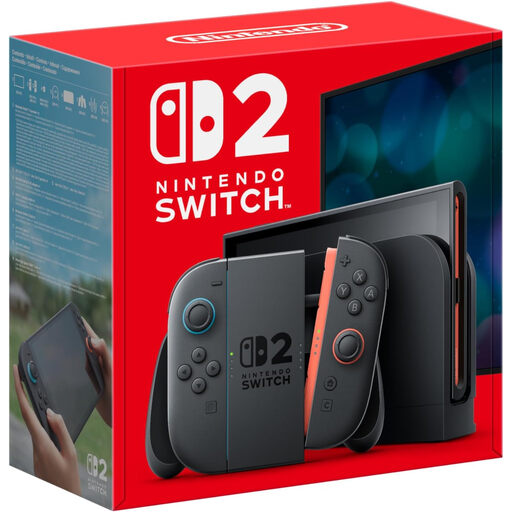 Image unavailable
Nintendo Switch 2 Console (UK Version)
Consider this console if switching between handheld and TV play matters more than adding a game bundle. Check its child-account and shared-user controls, plus the account and membership requirements for the online features the child would use.
View on Joybuy
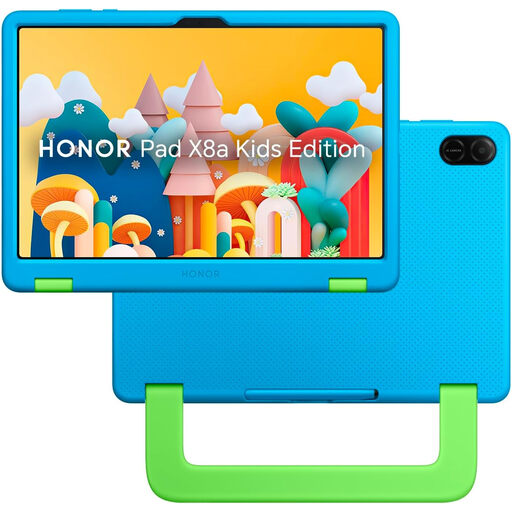 Image unavailable
HONOR X8A Kids 11-inch Wi-Fi tablet, 128 GB, Space Grey
Consider a tablet if games and other apps need to share one device. This variant is identified as an 11-inch Wi-Fi model with 128 GB storage; check its child-account setup, supported controls and purchase-approval coverage before use.
View on Joybuy
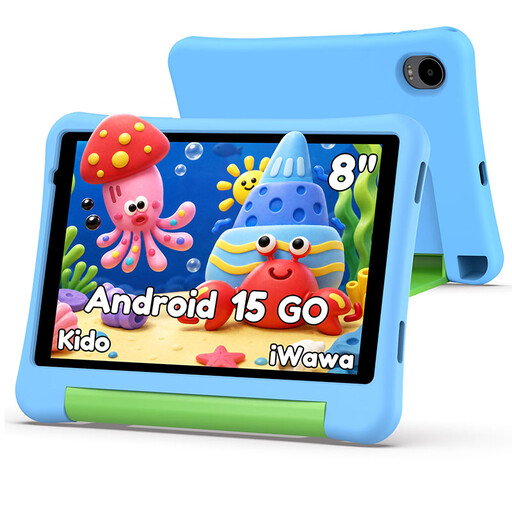 Image unavailable
Alldocube Kido 8-inch Android 15 tablet, 3 GB + 32 GB, blue case
Consider this tablet for a child who will use games alongside other apps. It has an 8-inch display and a blue protective case; confirm how its child lock, accounts and purchase controls work before relying on them. No charging adapter is included, so check that suitable charging equipment is available.
View on Joybuy
Questions about connected play
Should my child use my adult account on a shared device?
Set up the child’s own account rather than making an unrestricted adult login their usual way to play. PlayStation says each child needs a separate child account, Microsoft Xbox recommends separate profiles on a shared console, and Apple advises against sharing an Apple Account with a child.
Will purchase approval cover every way a child can spend?
No single approval setting should be assumed to cover every payment route. Microsoft Xbox says a child can spend a gift-card or Microsoft-account balance despite default purchase approval, while Google says Play approvals apply only to Google Play billing; check the stores and balances the child can access.
Can I set communication permissions before multiplayer play?
Yes, but the available settings depend on the platform and account. PlayStation describes child-account restrictions for communication and user-generated content, while Apple describes communication controls through Screen Time; check the particular game’s contact features as well as the device settings.
Do I need extra storage for a first console?
Not automatically: consider which games need to remain installed and what the exact console can play from expanded storage. Microsoft Xbox says Series X|S-optimised titles need internal SSD storage or a Storage Expansion Card, while Sony Interactive Entertainment says PS5 games stored on USB must be moved to console or compatible M.2 SSD storage before play.


