
24/7 Customer Support

Free returns

Same-day & Next-day Delivery

Quality Guaranteed

Unlock Your Welcome Offers: FREE Delivery | Up to 80% OFF | Free 30-day JoyPlus trial
Download the APP
Choosing children's vitamins and supplements can feel confusing. Shelves are full of gummies, liquids, chewable vitamins for kids and specialist formulas, while colourful packaging can make a product look more suitable than it really is.
The right choice depends on your child’s age, diet, allergies, preferred format and actual nutritional needs. It is also important to remember that supplements should complement a varied diet, not replace it. Read the product label carefully and speak to a pharmacist, GP, health visitor or paediatrician if your child has a medical condition or takes medication.
A strawberry flavour or familiar cartoon shape may help a child accept a supplement, but it does not tell you whether the formula suits their age. Some children’s vitamin gummies are designed for children aged 3+, while baby vitamins may be suitable from a much earlier stage but require carefully measured liquid doses.
Always check:
A long ingredient list is not automatically useful. A child may already receive certain nutrients from fortified foods, milk, formula or another supplement. Combining kids multivitamins with separate children’s vitamin D, calcium or iron supplements can lead to unnecessary duplication.
Compare the amount per daily serving, not merely the number of vitamins listed. Also check whether the serving is one gummy, two softies, several chewables or a measured liquid dose.
Some softies contain bovine gelatine, while others use pectin and are suitable for vegetarian or vegan families. Products may also contain fish, coconut, rapeseed, barley or other allergens.
For children with dietary restrictions, inspect the full ingredient list rather than relying only on the front label. This is particularly important when choosing vegetarian vitamins for children, kids omega-3 supplements or iron products.
Age guidance is a non-negotiable starting point. For example, some baby vitamins are measured in millilitres for infants, while toddler multivitamins may use a syringe or spoon. Products for older children often use gummies, softies or mini softgels.
Do not adapt an adult supplement for a child. Follow the stated dose exactly and keep all products out of reach and sight of children.
Look for the nutrient that matches your purpose:
Liquid formulas can be easier for babies and toddlers, but they require accurate measuring and may need refrigeration after opening. Gummies and softies are convenient for older children, but they should not be treated as sweets.
Check whether the product contains sugar, xylitol, gelatine, fish, barley or coconut. Confirm storage instructions, tamper seals and use-by guidance before opening.
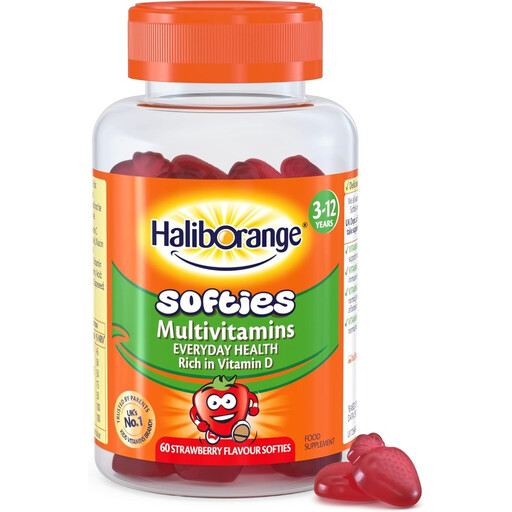
Why This Fits Their Persona: A straightforward option for families seeking a familiar daily format for children aged 3 years and above, with a 60-softie pack and strawberry flavour.
The label states the age range, serving guidance and ingredient information, helping shoppers avoid choosing a product based only on its flavour or packaging.
Contains vitamins A, C, D, E, B6, B12 and niacin; one pack contains 60 softies.
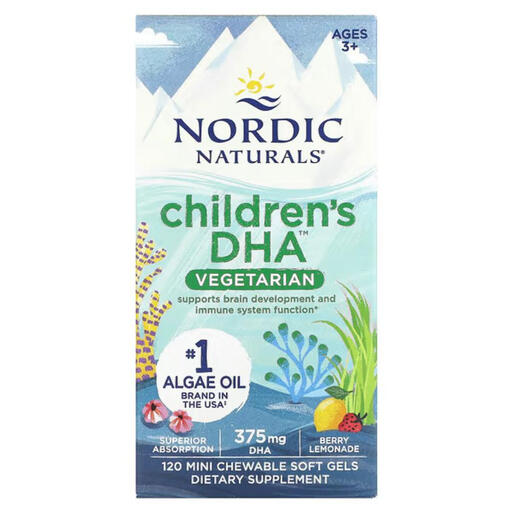
Why This Fits Their Persona: Suitable for families looking for vegetarian omega-3 support where a child does not regularly eat fish.
The source is clearly identified as algal oil, so shoppers can distinguish vegetarian DHA from fish oil rather than relying on vague “brain support” wording.
Provides 375 mg DHA per four chewables; vegetarian, gluten-free and free from milk derivatives according to the supplied product information.
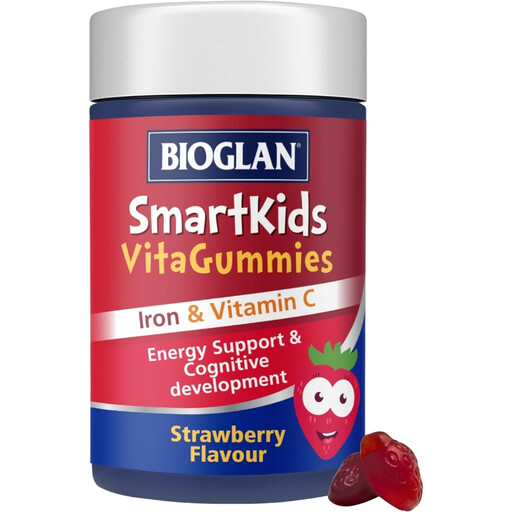
Why This Fits Their Persona: A targeted option for children aged 4 years and above whose diets contain limited iron-rich foods, including some vegetarian or vegan diets.
The product states a maximum of one gummy daily and clearly identifies iron content, making it easier to avoid accidental duplication or excessive intake.
Each gummy provides 2.5 mg iron and 12 mg vitamin C; the gummy base uses pectin rather than gelatine.
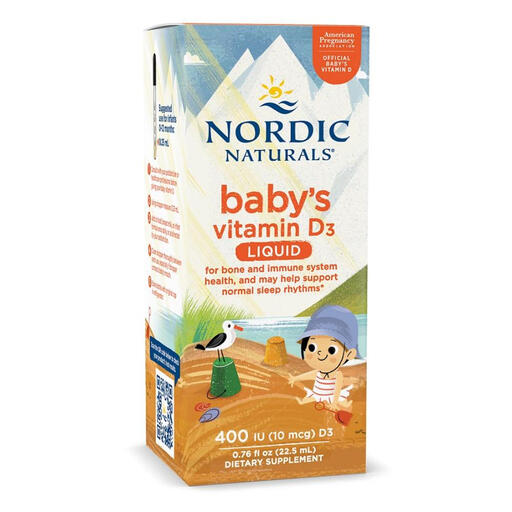
Why This Fits Their Persona: Designed for parents seeking a simple liquid vitamin D format for infants from birth to 12 months, with a measured dropper.
The serving is specified as 0.25 ml, helping parents avoid estimating drops or using an unsuitable child or adult formula.
Provides 10 micrograms, or 400 IU, vitamin D3 per serving; includes a measured dropper.
We have compiled a complete, real-time list of products that fully satisfy these strict selection criteria and UK safety regulations.
The appropriate choice depends on diet, feeding pattern and professional guidance. Parents commonly look at age-specific toddler multivitamins or vitamin D products, but the label must match the child’s age and existing intake. See the vitamins for 2 year old range for products grouped around this search need.
Many gummies are labelled for children aged 3 or 4 years and above because of chewing and choking considerations. Do not give a gummy to a younger child unless the packaging specifically confirms suitability and a healthcare professional agrees. For younger children, a measured liquid or drops format may be more appropriate.