
24/7 全天候客户支持

免费退货

当日/次日达

品质保障

开启新人专享福利: 全场免邮 | 低至 2 折 | 免费试用 30 天 JoyPlus 会员
下载 Joybuy
Choosing children’s art and colouring supplies can seem straightforward until you compare age labels, paper quality, pen types and storage options. A low-cost set may contain lots of pieces but little usable paper, while a character-themed kit may be exciting yet unsuitable for a child’s age or preferred activity.
This guide explains the main buying pitfalls, the specifications worth checking and suitable options for different types of young artist, from toddlers needing mess-free activities to older children exploring manga drawing.
Some kids’ colouring sets advertise numerous accessories, but the actual creative content may be limited. Check how many colouring pages, sketchbook sheets or reusable boards are included, and whether replacement paper is easy to find.
For younger children, a smaller set with sturdy pages may provide more practical value than a large box of delicate accessories. For older children, a children’s drawing kit should include tools that support progression, such as pencils, fineliners, markers or guided activities.
The wrong paper can cause felt-tip ink to bleed through, while heavily saturated markers may roughen lightweight pages. If the child enjoys journalling, illustration or repeated practice, look for children’s sketchbooks, art paper pads or paper with a suitable weight.
Water-based pens are generally more manageable for everyday colouring, but the result still depends on the paper. Watercolour activities require paper designed to handle moisture; ordinary printer paper can buckle or tear.
A colourful package does not automatically make a product suitable for every child. Check the stated age range, warning labels and whether the set includes marker caps, small accessories or detachable parts. Products supplied for children aged 3 and over may still require adult supervision, particularly during travel or group activities.
Look for clear safety information and follow the manufacturer’s instructions. Packaging should be removed before use, and small parts should be kept away from children below the stated age.
A toddler may benefit from chunky tools, large illustrations and simple colour-reveal activities. Older children may prefer detailed pages, colouring pens, brush pens or a manga drawing set for kids with step-by-step guidance.
Consider whether the child is:
The more closely the format matches the child’s ability and interests, the less likely the set is to be left unused.
Paper weight is commonly shown in gsm, meaning grams per square metre. Lightweight paper can suit pencils and basic colouring, while heavier paper is more appropriate for markers, ink or light washes.
For reference:
Page size also matters. A4 gives children room for larger drawings, while A5 and smaller journals are easier to carry. A6-style books or compact activity packs can work well for travel.
Standard felt-tip pens can mark clothing, tables and carpets, so use a washable or protected work surface. Mess-free colouring sets use a different approach. Reusable water magic colouring books reveal colour with a refillable water pen, while special-paper systems make ink visible only on compatible pages.
These systems reduce clean-up, but they have limitations. Water magic pages need time to dry before the colour disappears, and special-paper markers will not show on ordinary paper. Check the included contents and storage instructions before purchase.
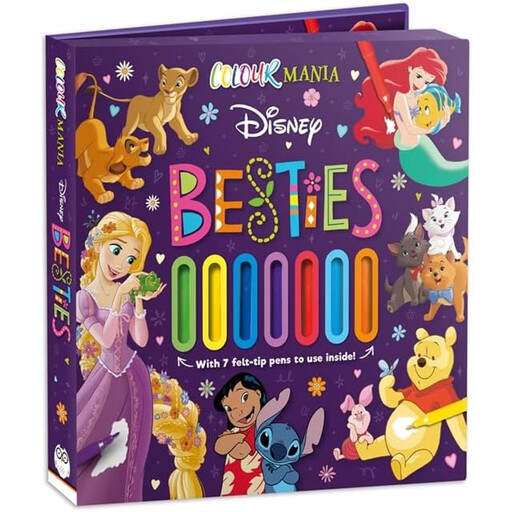
Why This Fits Their Persona: A straightforward option for children aged 7 and over who enjoy familiar characters and traditional colouring at home.
The contents are specified clearly: more than 30 colouring pages and seven felt-tip pens, rather than an unclear accessory count.
Thick printed outlines support easier colouring, and the plastic-free construction is stated in the product details.
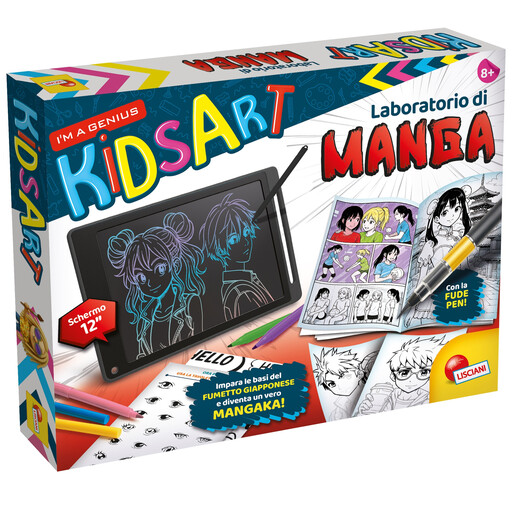
Why This Fits Their Persona: Suits children aged 8 and over who want structured practice rather than only filling in printed pictures.
It is designed around manga-style drawing and includes beginner tutorial guides, making the activity more focused than a generic mixed art box.
The all-in-one format supports sketching, line drawing and manga-style colouring, with a compact 36 x 26 x 6cm package.
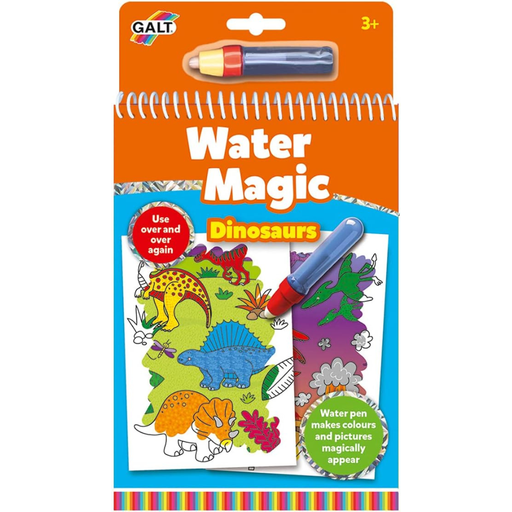
Why This Fits Their Persona: A practical choice for children aged 3 and over who need a repeatable, low-clean-up activity for travel or everyday play.
The six picture boards are reusable, so the activity does not depend on continually buying new colouring pages.
The refillable water pen reveals colour and the pages return to a blank appearance once dry.
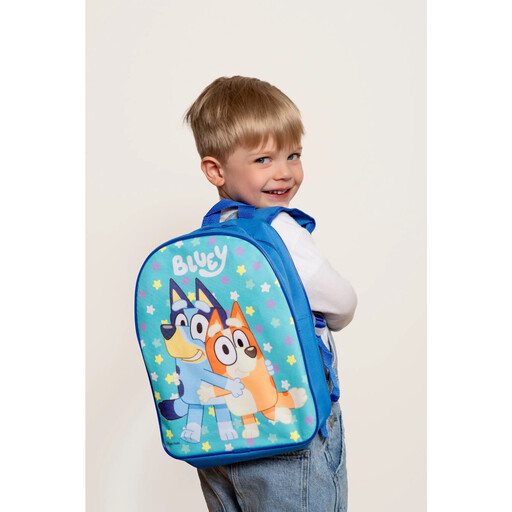
Why This Fits Their Persona: Suitable for children aged 3 and over who want familiar character activities that can move between home, visits and holidays.
The backpack doubles as storage, reducing the chance of loose pens and paper becoming separated during journeys.
The portable format combines drawing and colouring supplies with a carry handle or backpack-style storage design.
We have compiled a complete, real-time list of products that fully satisfy these strict selection criteria and UK safety regulations.
A practical setup does not need a dedicated room. Use a washable mat or tray, keep paper flat and store pens with their caps secured. For brush pens, replace caps tightly after use and follow the storage direction on the packaging. Keep watercolour materials away from electronics and provide a small water container that cannot be easily knocked over.
For classrooms or shared spaces, label pencil cases or folders and separate wet work from finished drawings. A selection of art paper pads, watercolour pads and children’s sketchbooks can give children different surfaces without buying another complete kit.
Choose products clearly marked for age 3 and over, with large, easy-to-hold tools and simple activities. Reusable water magic colouring books and character colouring activities can be suitable formats, but always follow the stated warnings and supervise use where small parts or marker caps are included.
Paper-based activities are used up as pages are completed, while reusable water magic books can be used repeatedly if the boards and water pen are kept clean and allowed to dry. Pens last longer when capped promptly and stored as instructed. Actual lifespan depends on frequency of use, pressure applied and storage conditions.
Special-paper systems are designed so their ink appears only on compatible paper, while water-reveal books use water rather than coloured ink. However, follow the instructions carefully: ordinary markers, wet surfaces and spilled water can still create mess. A protective mat remains sensible for home use.