
24/7 Customer Support

Free returns

Same-day & Next-day Delivery

Quality Guaranteed

Unlock Your Welcome Offers: FREE Delivery | Up to 80% OFF | Free 30-day JoyPlus trial
Download the APP
Choosing among children's bikes can feel deceptively simple. A bright colour, basket or set of stabilisers may attract attention, but these features do not automatically make a bicycle suitable for your child. The right choice depends on wheel size, rider height, braking design, weight and how confidently your child can balance.
This guide from the Joybuy Product Recommendation Officer focuses on the practical details that help UK parents and guardians avoid unsuitable purchases.
Age ranges are useful starting points, but children of the same age can have very different heights and leg lengths. A bike that is too large may be difficult to control, while one that is too small can make pedalling uncomfortable and limit its useful lifespan.
Use the manufacturer’s height range, then check whether your child can sit comfortably with both feet close to the ground. Your child should be able to reach the handlebars without stretching and operate the brakes without difficulty.
Bikes with stabilisers can help a beginner feel more secure, but they do not replace supervision or riding practice. Poorly adjusted stabilisers can also make the bike tilt from side to side or encourage a child to rely on them for too long.
Look for removable stabilisers if your child is likely to progress quickly. A balance bike, which has no pedals, can also help children practise steering and balance before moving to a pedal bicycle.
Vintage styling, baskets and decorative graphics can make boys’ and girls’ bikes more appealing, but they should not distract from practical specifications. Check the frame weight, saddle adjustment, brake type, chain protection and assembly requirements before making a decision.
A steel frame can provide a sturdy structure, but it may be heavier than lighter frame materials. For a small child, even a modest difference in bike weight can affect handling, lifting and confidence.
Wheel size is one of the clearest ways to narrow down children's bicycles:
These ranges are not substitutes for checking the actual fit. Compare the child’s height with the product specifications and consider the lowest saddle setting, not only the maximum adjustment.
A single-speed bicycle is generally straightforward for a beginner because there are no gears to select. Brake arrangements vary:
Before purchase, check whether your child can comfortably squeeze the brake levers. A full chainguard or enclosed chainguard can help cover moving parts and reduce contact with the chain.
An adjustable children's bike may remain comfortable for longer as the child grows, although adjustment cannot compensate for an unsuitable frame size. Look for an adjustable saddle, secure seat binder and handlebars positioned for natural control.
For products sold as toys or children’s bicycles, review the listing for applicable safety information, age warnings and conformity markings such as CE or UKCA where applicable. These markings should not be treated as a replacement for checking fit and condition. Follow the supplied instructions, use protective equipment and keep children away from public roads unless the bicycle is specifically designed and legally equipped for road use.
Before every ride, check:
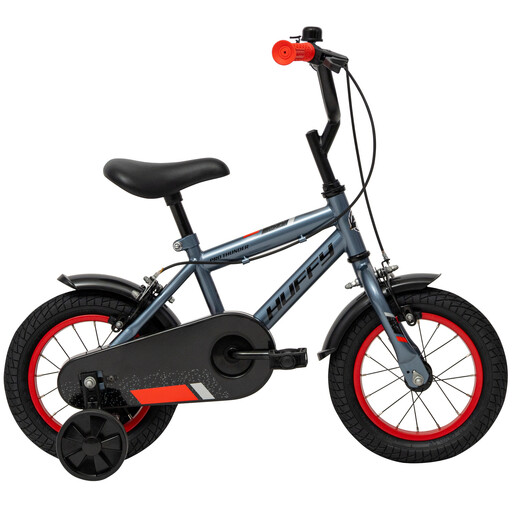
Why This Fits Their Persona: A practical first pedal bike for children aged 3–5 years who need extra support while learning in gardens, parks and playground areas.
The 12-inch wheels and removable stabilisers address the common problem of buying a bike that feels too large for a young beginner.
Removable stabilisers, front and rear caliper brakes, adjustable seat and enclosed chainguard.
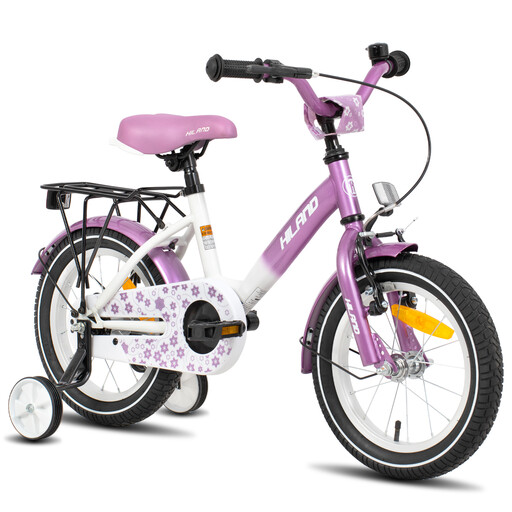
Why This Fits Their Persona: Suitable for families looking for a more fully equipped children’s bicycle for regular recreational rides.
Its stated height range, adjustable seat and low step-through frame make fit easier to assess than appearance-led shopping.
Front V-brake and rear coaster brake, 1.95-inch tyres, basket, kickstand and approximately 90% pre-assembly.
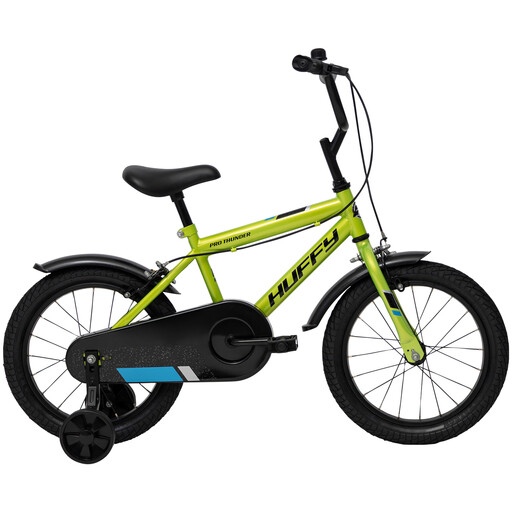
Why This Fits Their Persona: A practical option for children aged 4–6 years who ride frequently on pavements, park paths and playground surfaces.
Removable stabilisers and an adjustable seat allow the bicycle to change as riding confidence improves, rather than requiring immediate replacement.
Steel frame, 16 x 1.95-inch tyres, padded saddle and front and rear sidepull caliper brakes.
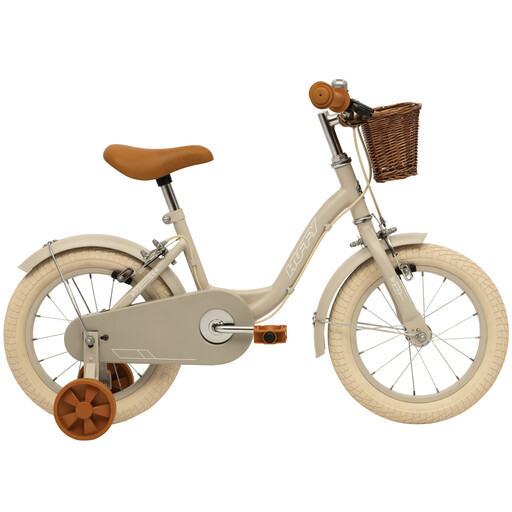
Why This Fits Their Persona: Designed for children aged 4–6 years who want a distinctive bicycle for family rides and outdoor play.
The retro finish is paired with functional features, so the choice is not based on decoration alone.
14-inch wheels, removable training wheels, adjustable design, front basket and coaster brake.
We have compiled a complete, real-time list of products that fully satisfy these strict selection criteria and UK safety regulations.
A four-year-old may fit a 12-, 14- or 16-inch bike depending on height, leg length and confidence. Check the manufacturer’s height range and ensure the child can reach the controls comfortably. A 14-inch model may suit a child between 90 and 125 cm, while some 16-inch models begin around 105 cm.
Neither option suits every child. Balance bikes help children practise steering and balance without pedals. Stabilisers provide lateral support on a pedal bike and may help a child who wants to start pedalling immediately. Whichever option you choose, use a flat, traffic-free area and supervise each ride.
Lifespan depends on fit, frequency of use, storage and maintenance. An adjustable seat and removable stabilisers can extend practical use, but a bike should be replaced when the child outgrows its height range, cannot maintain a comfortable riding position or the frame and components show damage. Regularly check brakes, tyres, fasteners and the chain, especially after wet UK weather.