
24/7 Customer Support

Free returns

Same-day & Next-day Delivery

Quality Guaranteed

Unlock Your Welcome Offers: FREE Delivery | Up to 80% OFF | Free 30-day JoyPlus trial
Download the APP
Finding the right children's cutlery set can feel surprisingly complex. The market is filled with options, from soft silicone spoons to miniature metal forks. For many UK parents and carers, the journey from purchase to daily use is often marked by frustration. A promising set ends up unused in a drawer, either because it’s too difficult for a child to handle or it fails to withstand the rigours of daily cleaning.
Before you make a choice, it's important to be aware of a few common purchasing pitfalls. Many products are marketed with appealing colours and characters, but their core design can be flawed.
bamboo travel cutlery set that splinters after a few washes or a reusable cutlery set that breaks easily isn't a sustainable choice.By focusing on a few key parameters, you can select a set that is safe, practical and genuinely helpful for your child's development or your specific needs.
To avoid these traps, focus on the non-negotiable features that define a quality cutlery set. Analysing these three areas will help you make a much more informed decision.
The material is the foundation of any good cutlery set. Each type serves a different purpose, and safety should always be the priority.
reusable cutlery set for picnics or parties. For events, plastic party cutlery offers a convenient and often decorative solution that can be washed and reused.bamboo travel cutlery set is lightweight and naturally sourced. Ensure the finish is smooth and designed to prevent splintering after washing.A child's ability to use cutlery is directly linked to its design. The right ergonomics can build confidence, while the wrong ones can cause frustration.
baby cutlery fork, the tines should be soft and rounded to prevent any injury to the mouth. For toddlers, the tines can be more defined to effectively spear food, but they should still be blunted and not sharp.Instead of a single "best" option, the right choice depends on the user. We've matched a few standout products to different needs, from parents of weaning babies to party hosts.
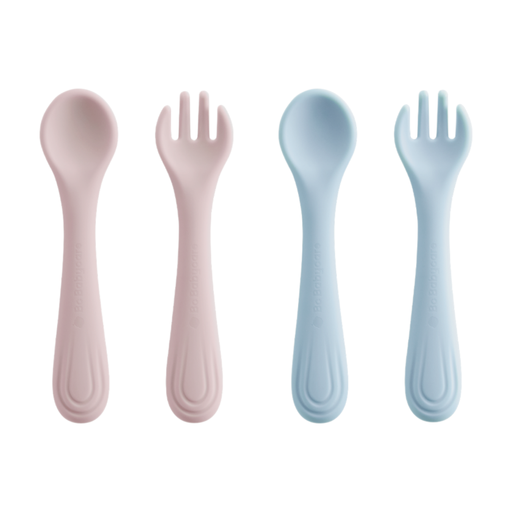
Why This Fits Their Persona: This set is ideal for UK parents introducing solids. The soft, flexible material is gentle on a baby's sensitive gums, and the short, textured handle is perfectly shaped for a small hand learning to grip.
It directly counters the "one-size-fits-all" problem by being specifically engineered for the weaning stage, with rounded fork tips and a handle designed for a palmar grasp.
Made from BPA-free, food-grade silicone. Includes a portable storage box, which is great for maintaining hygiene when out and about.
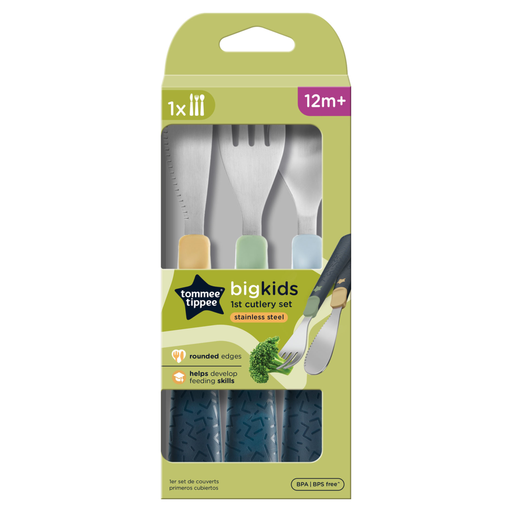
Why This Fits Their Persona: For toddlers who want to eat just like the grown-ups, this stainless steel set is a perfect transition. It feels substantial and durable, helping them feel included at the family dinner table in the UK.
This set avoids the durability trap. The stainless steel construction is built to last and is dishwasher-safe, resisting the staining and warping common with cheaper plastics.
Features chunky, easy-grip handles and kid-safe rounded edges. The deep spoon bowl helps reduce spills, building a toddler's confidence during meals.
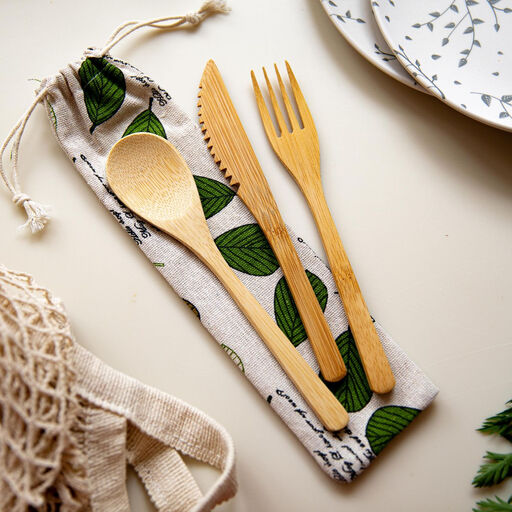
Why This Fits Their Persona: Perfect for the environmentally aware individual in the UK who wants to avoid single-use plastics when eating on the go, whether at the office, on a picnic or travelling.
This set avoids the impractical "eco-friendly" trap by being genuinely reusable and portable. The robust bamboo is designed for longevity, and the included fabric pouch keeps it clean and easy to carry.
Made from fast-growing, natural bamboo. The set is lightweight yet strong and can be washed and reused repeatedly, offering a practical alternative to disposable cutlery.
We have compiled a complete, real-time list of products that fully satisfy these strict selection criteria and UK safety regulations.
Most babies are ready to start exploring cutlery at around 6 months, which aligns with the beginning of the weaning process. Start with soft-tipped weaning spoons that are gentle on their gums. Initially, they may just play with it, but this is an important part of learning. You can pre-load the spoon and help guide it to their mouth.
Always follow the manufacturer's instructions. Many silicone, plastic and stainless steel sets are dishwasher-safe (often top rack only). For materials like bamboo, hand washing is usually recommended to prolong their life. Before each use, quickly inspect the cutlery for any signs of damage, such as cracks, chips or splintering, and discard the item if it is damaged.
Yes, provided it is designed specifically for children. A good toddler cutlery set made from stainless steel will have important safety features like rounded fork tines, a blunt knife edge and a handle that is ergonomically shaped for small hands. It is a highly durable, hygienic and long-lasting material that helps toddlers feel more independent at mealtimes.