Parents planning a decorating activity
Ready-coated biscuits leave arranging or adding decorations as the activity. Plain fingers let children take part in dipping, while an adult manages any hot equipment.


Choose chocolate-coated shortbread if children will arrange or decorate finished biscuits; choose plain fingers if dipping them in chocolate is the activity. Both options start with biscuits that are already baked, so decide whether the children want to decorate or take part in making the coating. Check the exact biscuit and every topping for relevant allergens, and have an adult manage hot equipment.
The useful distinction is what children will do with the biscuits, alongside any ingredient checks needed before serving them.
Ready-coated biscuits leave arranging or adding decorations as the activity. Plain fingers let children take part in dipping, while an adult manages any hot equipment.
Ingredients and precautionary statements can differ between biscuits. Check the actual pack and every added topping against the child’s particular allergy.
Compare fully coated, partly coated and chocolate-chip biscuits by their stated format, then check the pack’s serving information when planning portions.
Choose the activity first, then check whether the biscuit’s chocolate format, ingredients and serving information fit the plan.
| Priority | What to check | Your needs |
|---|---|---|
| Children’s activity | Choose an already coated biscuit for arranging or adding decorations. For dipping, start with plain fingers and obtain chocolate separately; an adult should manage heat. | I want the children to help make the coating, rather than only decorate a finished biscuit. |
| Chocolate format | Read the exact description: fully coated, half-coated and containing chips or chunks describe different products. Chocolate pieces inside a biscuit do not provide a coated surface. | A visible chocolate coating matters for my decorating plan; chocolate chips alone would change it. |
| Allergens | Check the delivered biscuit pack and every topping for ingredients and precautionary statements. In the UK, GOV.UK says regulated allergens used as ingredients in prepacked food must be clearly identified in the ingredients list. | Before serving, I need to check each ingredient against a child’s particular allergy; a vegan label alone does not settle that question. |
| Portions | Check the biscuit count and whether nutrition is stated per biscuit, per serving or per 100g. Compare like measures rather than treating a pack total as one portion. | How many biscuits will I serve, and what does the pack say about each portion? |
| Kitchen preparation | If the activity involves melting chocolate, plan which steps children can do away from hot items. Sheffield Children’s NHS Foundation Trust advises supervising children in the kitchen. | I want children involved in decorating without putting them in charge of hot equipment. |
Dean’s, Sainsbury’s and Waitrose describe chips or chunks within their cited shortbread products, not chocolate over the surface.
Look for an explicitly coated or half-coated product, or buy plain fingers if dipping is the planned activity.
Dipping plain fingers also requires chocolate separately.
A vegan designation does not rule out other ingredients or possible unintended allergen contact. The cited coated-shortbread packs have different ingredient and precautionary information.
Check the actual pack and every decorating ingredient against the child’s particular allergy.
The coating is already on a ready-coated biscuit. Dean’s decorating recipe, by contrast, begins with plain fingers and separately melted chocolate.
Decide whether the children will decorate finished biscuits or take part in dipping before choosing the format.
These examples show why the product description matters: a coated shortbread, a biscuit with chocolate pieces and a plain finger serve different plans.
Its Chocolate Shortbread Assorted Shapes is a ready-coated option for serving or decorating finished biscuits.
Its shortbread fingers are relevant when dipping is the activity.
M&S describes fully milk-chocolate-coated Scottish shortbread rounds and a separate mixed shortbread selection.
Its Belgian chocolate shortbreads contain milk and dark chocolate chunks.
Tesco Finest Scottish Shortbread Fingers provide a plain-biscuit starting point for dipping.
Its double-chocolate shortbread rounds contain dark chocolate chips.
Its dark-chocolate shortbread is half-coated, leaving part of the biscuit uncovered.
These finished chocolate biscuit options suit a decorating activity rather than dipping plain shortbread. Check each product’s description if shortbread specifically is required: neither product name identifies it as shortbread.
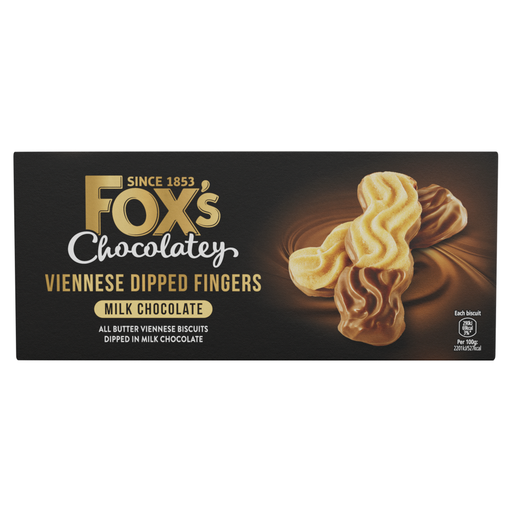 No image available
A finished milk-chocolate Viennese biscuit option for arranging or decorating rather than dipping plain shortbread. Check the pack’s ingredients, precautionary statements and serving information before use.
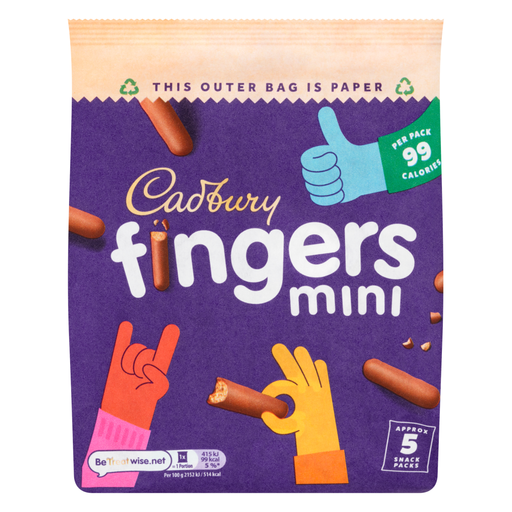 No image available
A finished mini-finger biscuit option if children will arrange or decorate biscuits rather than dip plain shortbread. It is not identified as shortbread; check the pack and any toppings for relevant allergens.
No. The cited Dean’s and Sainsbury’s rounds have chips within the biscuit. If decorating requires a chocolate-coated surface, choose a product explicitly described as coated.
Children can take part in suitable preparation and decorating steps while supervised, but an adult should manage hot equipment and keep hot items out of their reach. Sheffield Children’s NHS Foundation Trust advises supervising children in the kitchen.
Wash hands before preparing food and check that children’s hands are clean before eating, as the NHS advises. Follow the storage directions on the particular pack; Walker’s assorted-shapes pack says to store it in a cool, dry place.
No. Check the actual biscuit pack and every topping against the child’s particular allergy, including ingredients and precautionary statements. A vegan designation alone does not establish allergy suitability.