Navigating the world of children's oral care can feel overwhelming. From their very first tooth to the arrival of their adult set, a child's dental needs change rapidly. Choosing the right children's toothbrush is a crucial first step in building a lifetime of healthy habits. This guide is designed to help you understand the key features to look for at each stage, making it easier to select a toothbrush that is safe, effective and right for your child.
How to Choose the Right Kids Toothbrush
Before looking at specific models, it's helpful to understand what makes a good kids toothbrush. Consider these factors to ensure you're making a practical choice for your child's dental health.
1. Age-Appropriate Design
A toothbrush designed for an adult is unsuitable for a child. Look for brushes specifically labelled for your child's age group.
- Baby Toothbrush (0-2 years): These should have a very small head to fit comfortably in a tiny mouth and ultra-soft bristles to be gentle on new teeth and sensitive gums. The handle should be easy for a parent to grip and control.
- Toddler Toothbrush (2-5 years): As children start to develop more teeth, the brush head can be slightly larger. Bristles should remain soft. Handles are often designed to be held by both the parent and, with supervision, the child.
- Kids Toothbrush (6+ years): For children with a mix of baby and adult teeth, brushes often feature a combination of bristle lengths to clean uneven surfaces effectively. Handles are typically sized for a child's independent grip.
2. Manual vs. Electric
The choice between a manual and a kids electric toothbrush often comes down to the child's age, preference and needs. Manual brushes are simple, affordable and effective when used with the correct technique. Electric models can be a great option for children who lack the manual dexterity for thorough brushing or who need extra encouragement. The vibrations and built-in timers on many electric models can make brushing more engaging and ensure they brush for the recommended two minutes.
3. Bristle Softness and Material
For children, soft bristle toothbrushes are the standard recommendation. Their gums and tooth enamel are more delicate than an adult's. Hard bristles can be abrasive and may cause discomfort or even damage. Look for brushes with rounded, polished nylon bristles, which are effective at cleaning without being harsh.
Our Top Product Recommendations
Here are some of our top recommendations, selected to meet the needs of children at different developmental stages.
For Babies (0-2 Years): Colgate Kids Soft Manual Toothbrush
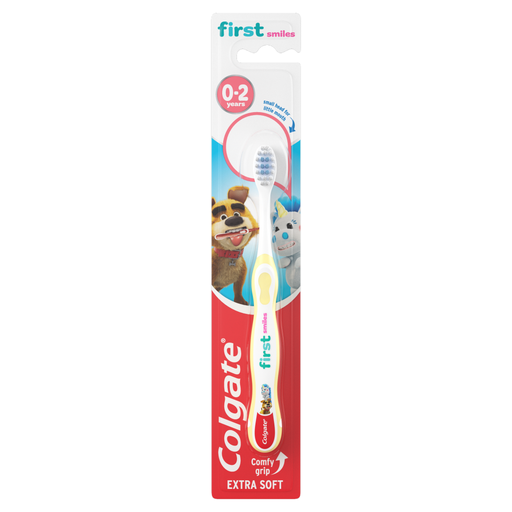
- Why It Stands Out: This brush is specifically engineered for the very beginning of a child's oral care journey. The design focuses on parental control and gentleness for the most delicate mouths.
- Pros:
- Extra small brush head tailored for a baby's mouth.
- Ultra-soft bristles are gentle on tender gums and new teeth.
- Non-slip handle provides a secure grip for parents.
- Who is it for: Parents looking for a first toothbrush to gently clean their baby's first teeth and gums.
For Toddlers (3-5 Years): Colgate Kids Super Soft Toothbrush
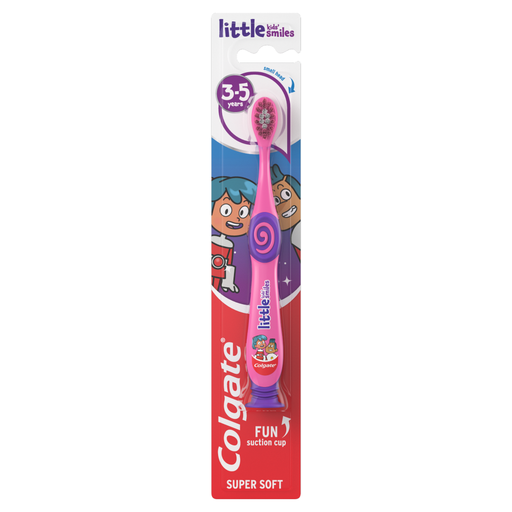
- Why It Stands Out: This brush is a great transitional tool for toddlers who are starting to take an interest in brushing themselves. The design includes features that help guide both parent and child.
- Pros:
- Super soft bristles for a gentle yet effective clean.
- Thumb grips and a rounded handle for better control.
- Inner white bristles act as a guide for applying a pea-sized amount of toothpaste.
- Who is it for: Children aged 3 to 5 who are developing their brushing skills, with adult supervision.
For Fun and Effective Cleaning (4+ Years): Ordo Squishmallows Sonic Kids Electric Toothbrush
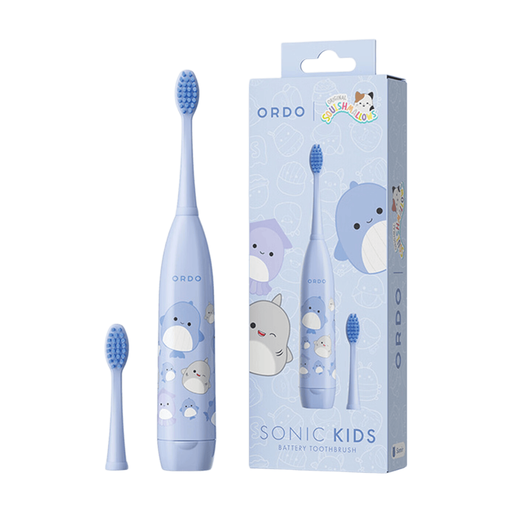
- Why It Stands Out: This is a fun kids toothbrush that uses sonic technology to help make brushing more exciting and effective. The popular character design can motivate reluctant brushers.
- Pros:
- Sonic technology provides gentle vibrations for a thorough clean.
- Soft, rounded bristles are safe for young teeth and gums.
- Waterproof design and simple one-button operation make it easy for a child to use.
- Who is it for: Children aged 4 and over, especially those who could use some extra encouragement to stick to their brushing routine.
For Older Children (6+ Years): Aquafresh Big Teeth Toothbrush
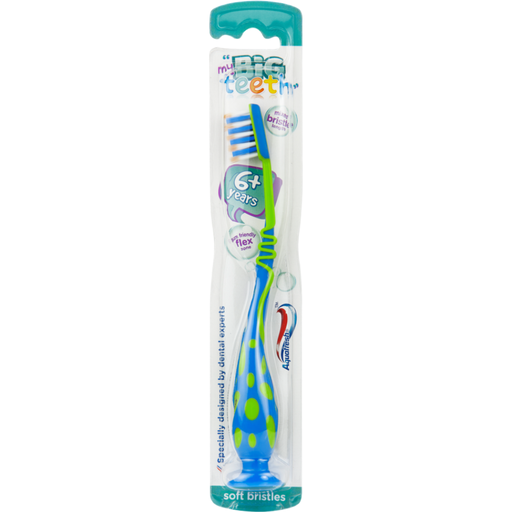
- Why It Stands Out: This brush is designed to address the specific challenges of a mouth with both baby teeth and new, larger permanent teeth. Its flexible neck and varied bristle lengths help clean these uneven surfaces.
- Pros:
- Varied bristle lengths for cleaning all tooth surfaces, including gaps.
- Flexible neck helps absorb excess pressure to protect gums.
- Sized for a child's hand to encourage independent brushing.
- Who is it for: Children aged 6 and over who are getting their permanent teeth and need a brush that can adapt to their changing smile.
Looking for More Options?
If you haven't found the perfect fit here or want to explore a wider variety, you can browse our full collection of oral care products. Discover more choices to support your child's dental health journey.
[Explore our full range of soft toothbrushes for the whole family here.](https://www.joybuy.co.uk/explore/supersoft-toothbrush/ytQFAUEO)
Frequently Asked Questions
When should my child start using an electric toothbrush?
There is no fixed age, but many parents introduce a kids electric toothbrush around the age of 3 or 4. At this stage, a child may find the novelty engaging and it can help clean more effectively if their manual brushing technique is still developing. Always choose a model designed specifically for children, with a small head and soft bristles.
How often should I replace my child's toothbrush?
Dentists and manufacturers generally recommend replacing a toothbrush every three months. You should also replace it sooner if the bristles become frayed or splayed or after your child has been ill. Worn bristles are less effective at cleaning and can harbour bacteria.
What kind of toothbrush is suitable for a 2-year-old?
For a 2-year-old, you should use a toddler toothbrush. Look for one with a small head that can easily fit in their mouth and super-soft bristles to protect their delicate gums and enamel. The handle should be comfortable for you to hold, as you will still be doing most of the brushing at this age.


