
24/7 Customer Support

Free returns

Same-day & Next-day Delivery

Quality Guaranteed

Unlock Your Welcome Offers: FREE Delivery | Up to 80% OFF | Free 30-day JoyPlus trial
Download the APP
Choosing children’s toys for a birthday, rainy afternoon or Christmas can be harder than it looks. Bright packaging and long feature lists do not always translate into enjoyable, usable play. The right choice depends on the child’s age, interests, available space and how much adult involvement is realistic.
This guide explains the common buying traps to avoid, the specifications worth checking and our top recommendations for children aged 3 to 10.
An age range is an important starting point, but it does not tell you everything. A four-year-old who enjoys structured games may prefer a simple board game, while another child of the same age may be more engaged by construction or pretend play.
Check whether the toy requires reading, counting, fine motor control or adult help. Also consider the child’s experience level. A large STEM building toy may be suitable by age but frustrating if the construction method is too complex.
A large box of magnetic building blocks, craft materials or activity cards can appear economical. However, the real value depends on whether the pieces can be used in several ways and whether instructions are clear.
Look for open-ended play, where children can build, combine or redesign projects rather than completing one activity and putting the toy away. Storage is also important: loose pieces can quickly become difficult to organise in a small UK bedroom or flat.
Interactive toys may need replacement batteries, while construction toys and craft kits can contain small components. Product warnings should be read before purchase, particularly when buying for younger siblings in the same household.
For toys marked with a choking warning, follow the stated age guidance and supervise play as recommended. Battery-powered products also require careful storage of new and used batteries, as button and other batteries can be hazardous if swallowed.
For toys for ages 3 to 10, match the design to the child’s ability rather than relying solely on the theme. Children aged 3 to 4 may benefit from matching, counting, turn-taking and simple assembly. Older children may be ready for multi-step craft kits, marble runs or more detailed STEM building toys.
Check:
Many magnetic building blocks use ABS plastic, but the listing should still provide clear material and safety information. The DIY dinosaur building set listed here specifies BPA-free ABS, rounded edges and CE and EN71 compliance. These details are useful, but they should not replace checking the complete product listing and packaging.
Do not assume that every magnetic toy has identical construction or safety information. Before purchasing, verify the manufacturer’s instructions, age range and any required supervision.
Compact screen-free toys are useful for travel, playdates and homes with limited storage. Board games with small boxes, activity tins and slim craft kits are easier to put away than large playsets.
For battery-operated interactive toys, check:
No-battery toys, such as children’s board games and many craft kits, can be simpler to manage and have no ongoing battery cost.
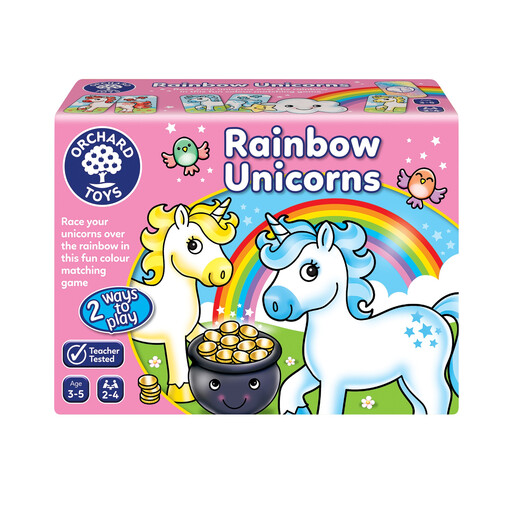
Why This Fits Their Persona: A compact, no-battery tabletop option for families wanting an accessible first game for children aged 3 and above, especially in smaller homes or for playdates.
The listing gives a clear minimum age, states that no batteries are required and describes simple matching and turn-taking gameplay rather than relying only on its unicorn theme.
Compact package measuring 8 x 19 x 14 cm; supports matching, turn-taking and hand-eye coordination through screen-free play.
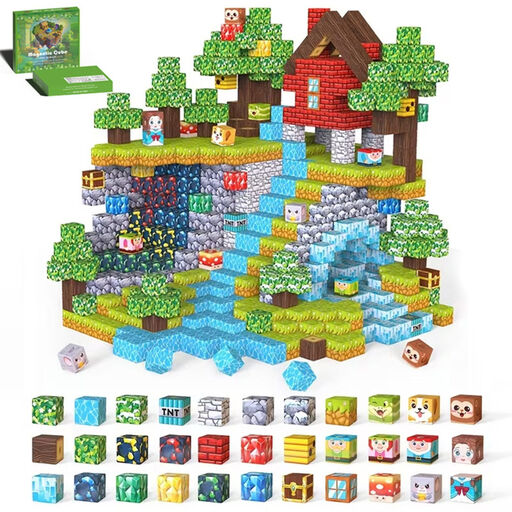
Why This Fits Their Persona: A larger construction choice for households seeking repeat play, multiple designs and a toy that can grow with a child’s building confidence.
The stated 150-piece count gives buyers a clearer idea of the set’s scale. Still check the exact component list, age guidance and magnetic safety information before purchase.
150 pieces provide scope for varied builds; listed as an ABS construction toy and positioned for STEM-style creative play.
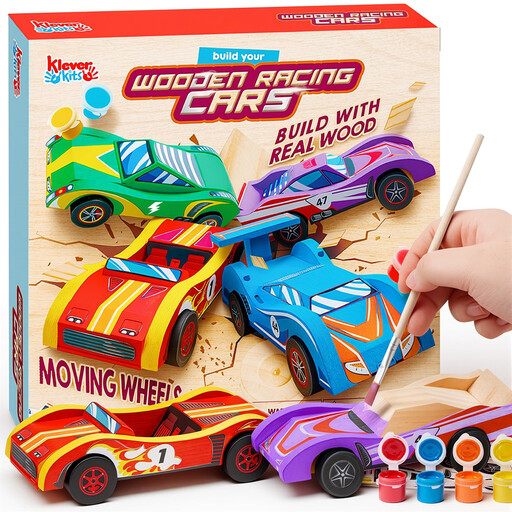
Why This Fits Their Persona: Suitable for children aged 8 and above who enjoy longer creative projects, model-making and activities that result in something they can display or play with.
It specifies what is included, reducing the risk of discovering that essential materials are sold separately. The pre-cut pieces and illustrated instructions also clarify the expected assembly.
Includes 44 wooden pieces, 12 paint tubs, three brushes, stickers, glue and instructions; creates four customisable racing cars without extra tools.
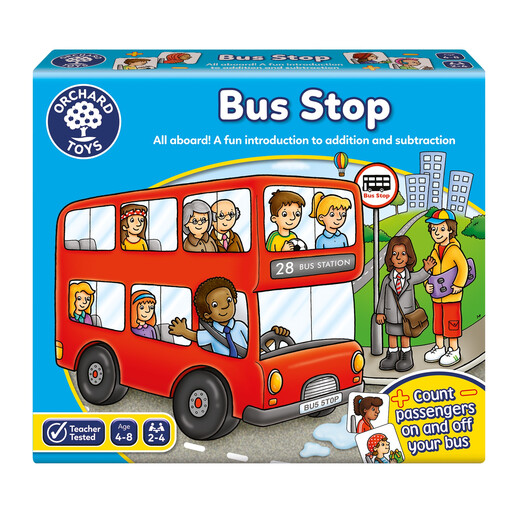
Why This Fits Their Persona: A practical choice for grandparents, relatives or families looking for a shared activity for children aged 4 and above during visits and playdates.
The gameplay is described through specific actions such as matching passengers, counting and taking turns, rather than vague educational language.
No batteries required; compact package measuring 5 x 26 x 22 cm and designed around counting, matching and turn-taking.
For younger character fans, the Peppa Pig Talk & Sing Peppa uses touch activation and requires three AA batteries, which are not included. It is worth considering if familiar phrases and songs are more appealing than construction or craft play.
For creative children aged 5 and above, Unicorn Crafts at Home includes materials and guides for up to ten unicorn-themed projects, with some activities using household items such as cardboard boxes and milk bottles.
Other options include magnetic marble runs, dinosaur building sets, activity tins, interactive toys and collectible blind box toys. For blind boxes, remember that random single-item delivery means the exact design may not be known in advance.
We have compiled a complete, real-time list of products that fully satisfy these strict selection criteria and UK safety regulations.
Look for toys with clear age guidance, simple controls and manageable components. Matching games, chunky construction pieces, simple pretend-play sets and supervised craft activities may be suitable. Always follow the product warning, particularly where small parts are listed.
No. Many educational toys for children, including board games, magnetic building blocks and craft kits, work without batteries. Battery-powered interactive toys can add sound or light, but check battery type, whether batteries are supplied and how the compartment is secured before buying.
Choose products with compact packaging, tins or dedicated storage bags where available. Separate small pieces from toys used by younger children, check components periodically and store battery-powered products safely. For a shared playroom, labelled boxes by toy type—such as craft kits, building toys and board games—make tidying easier.