
24/7 Customer Support

Free returns

Same-day & Next-day Delivery

Quality Guaranteed

Unlock Your Welcome Offers: FREE Delivery | Up to 80% OFF | Free 30-day JoyPlus trial
Download the APP
Children’s vitamin gummies can make daily supplementation easier, particularly for picky eaters or families managing busy school routines. However, colourful packaging and sweet flavours can distract from the details that matter: age suitability, nutrient levels, allergens, dietary requirements and daily dosage.
The right choice depends on the child’s diet and needs, not simply the number of vitamins listed on the front of the bottle. Use this guide to compare kids vitamins, children’s supplements and targeted vitamin gummies for kids more carefully.
A strawberry or fruit flavour may make a gummy more acceptable, but taste does not indicate nutritional suitability. Some products contain sugars or sweeteners, while others may include gelatine, coconut oil, milk, soya or fish-derived ingredients. Always check the complete ingredient and allergen information before buying.
Gummies should also be treated as supplements, not sweets. Keep them out of sight and reach of children, and make sure they chew each gummy thoroughly to reduce the risk of choking.
A broad children’s multivitamin may be useful for general dietary support, but it may not suit every child. Someone looking specifically for calcium, iron, DHA or probiotics may be better matched with a targeted formula.
Taking multiple products can also lead to overlapping nutrients. For example, combining children’s immune support gummies with a multivitamin may duplicate vitamin C or vitamin D. Compare the labels before creating a daily routine.
Age guidance is not interchangeable. Some chewable vitamins for children are suitable from age two, while others are labelled for children aged three, four or teenagers aged 13 and over. The serving size and nutrient levels may differ considerably.
Families following vegetarian or vegan diets should look for pectin-based gummies, algae-derived DHA and clear allergen information. A product described as plant-based may still require careful label checking.
Start with the recommended age on the product label. Examples in this guide range from products for children aged two to 12, products for ages three and above and teen formulas for ages 13 and over.
Next, check the daily serving:
Always follow the supplied instructions rather than adjusting the serving according to a child’s size, appetite or perceived need. If a child has a medical condition, takes medication or has been advised to take a prescribed supplement, consult a healthcare professional first.
Look for the actual amount per gummy or serving, not just broad wording such as “immune support” or “daily wellness”. Useful details include:
Nutrient Reference Values can help you understand the proportion supplied, but they do not replace individual dietary advice.
Check whether the gummy contains:
Packaging, ingredients and instructions can change. Parents and carers should check the label supplied with the product before use, especially where allergies or intolerances are involved.
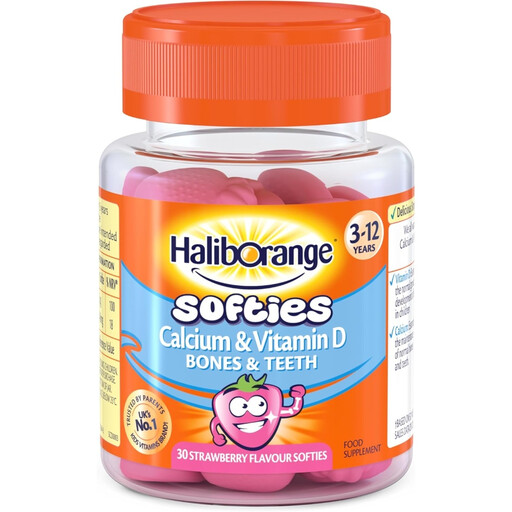
Why This Fits Their Persona: A straightforward option for families seeking a focused calcium and vitamin D supplement for children aged three and above, with a 30-softie pack and strawberry flavour.
The label clearly states the age range, one-softie nutrient values and maximum daily intake, making it easier to avoid accidental duplication.
Each softie provides 140 mg calcium and 5 µg vitamin D; the pack contains 30 softies.
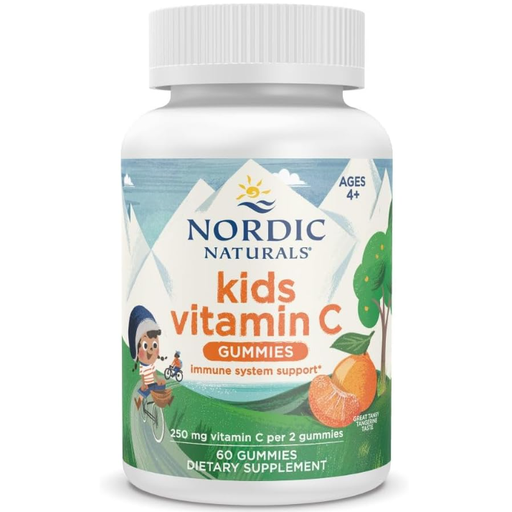
Why This Fits Their Persona: Suitable for families wanting a dedicated vitamin C product for children aged four and over, with a larger 60-gummy pack and a tangerine flavour.
The product information identifies its serving size, added sugar content and exclusions, including gluten, milk derivatives and synthetic dyes.
Two gummies provide 250 mg vitamin C, and the bottle contains 60 gummies.
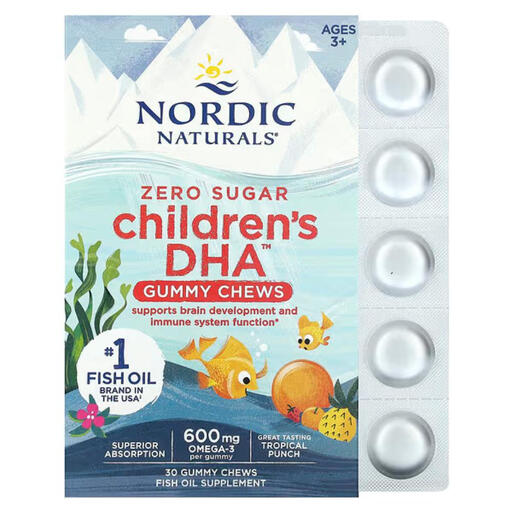
Why This Fits Their Persona: A targeted option for families specifically comparing children's omega-3 gummies and seeking a chewable fish-oil format for children aged three and above.
The label separates total omega-3, EPA and DHA amounts, rather than relying only on a general fish-oil claim.
One gummy provides 600 mg total omega-3, including 355 mg DHA and 145 mg EPA; it contains fish.
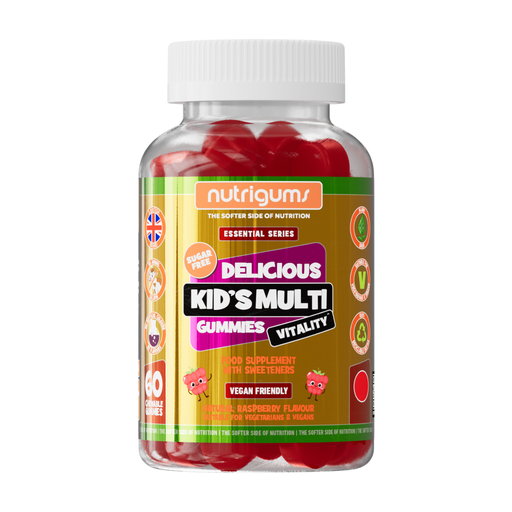
Why This Fits Their Persona: Designed for children aged four to 12, this is a practical choice for families wanting vegan vitamins for kids in a broad daily format.
Its stated pectin-based, vegan format helps avoid gelatine, while the product information lists key exclusions such as gluten, dairy, soya and nuts.
One gummy supplies vitamins A, C, D3, E, B6 and B12, with 60 gummies per pack.
We have compiled a complete, real-time list of products that fully satisfy these strict selection criteria and UK safety regulations.
No. Suitability depends on age, diet, allergies, medical circumstances and the specific nutrients included. Check the product label and seek advice from a healthcare professional if the child takes medication or has a medical condition.
The pack size indicates the approximate number of servings, but the usable period depends on the recommended daily dose. For example, a 30-gummy pack used at one gummy daily provides about 30 servings. Store the container in a cool, dry place, close the lid securely and follow the best-before information on the label.
They should not be combined automatically. Different products may contain overlapping vitamin C, vitamin D, iron, calcium or omega-3. Compare the labels and ask a healthcare professional before combining supplements, particularly products containing iron or higher nutrient amounts.
Supplements work alongside a varied, balanced diet rather than replacing it. The most suitable children’s vitamin gummies are those with a clear age range, transparent nutrient information, appropriate ingredients and a format your child can take safely.