
24/7 Customer Support

Free returns

Same-day & Next-day Delivery

Quality Guaranteed

Unlock Your Welcome Offers: FREE Delivery | Up to 80% OFF | Free 30-day JoyPlus trial
Download the APP
By Joybuy Product Recommendation Officer
Choosing children’s vitamins and supplements can feel complicated. One product may focus on iron, another on vitamin D, probiotics or omega-3, while brightly coloured packaging makes many options look interchangeable. For UK families, the safer approach is to start with the child’s age, diet and practical needs rather than the most eye-catching claim.
This guide explains what to check before buying, highlights common shopping traps and matches selected products to different family profiles.
Children’s multivitamins can be useful for families seeking broad nutritional coverage, but they are not automatically suitable for a child with a specific need. A general formula may contain little or no iron, while a dedicated iron product may not provide vitamin D, iodine or omega-3.
Avoid buying several overlapping products without checking the labels. Combining children’s vitamin gummies, iron supplements and immune support products can unintentionally increase total intake of certain nutrients.
Terms such as “natural”, “immune defence” and “daily protection” are not a substitute for checking the actual ingredients and quantities. Food supplements support a balanced diet; they do not replace medical treatment, varied meals, sleep or routine healthcare.
Be particularly cautious with products that imply they can prevent illness or treat symptoms. In the UK, authorised nutrition claims should be distinguished from broad marketing language.
A gummy designed for a child aged four is not automatically appropriate for a toddler. Chewable products require adult supervision, and young children may face a choking risk. Always check the minimum age, serving size, allergen statement and whether the product contains gelatine, coconut, dairy, gluten or sweeteners such as polyols.
The label should provide a clear age range and maximum daily serving. For example, some products in this guide are intended for children aged 3 years and above, while others begin at 4 years or are specifically formulated for ages 7 to 11.
Do not estimate a child’s dose from an adult product. Follow the stated instructions, use the supplied measuring device for liquids and keep supplements out of sight and reach.
For babies, vitamin D guidance is especially age-sensitive. The NHS provides specific advice for infants and young children, including circumstances where breastfed babies may need a daily vitamin D supplement. Parents should check current NHS guidance and speak to a health visitor, pharmacist or GP when unsure.
Look beyond the front of the pack and compare the nutrition table. Useful details include:
Iron deserves extra caution. Children’s iron supplements should not be used to self-treat suspected anaemia. Persistent tiredness, pallor, poor appetite or other concerns should be discussed with a GP. Keep iron products securely stored because accidental excessive intake can be dangerous.
Choose a format the child can take correctly and consistently:
Flavour matters for everyday use, but it should not outweigh dosage clarity, allergens or age suitability.
The following selections are based on stated product features, age guidance, format and nutritional profile. Formulations and packaging can change, so check the product label before purchase.
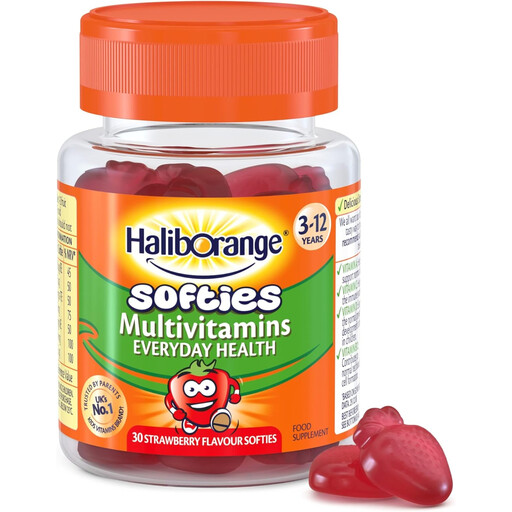
Why This Fits Their Persona: A simple one-softie-per-day format for families looking for broad daily coverage for children aged 3 to 12.
The nutrition table clearly lists eight vitamins and a one-softie maximum, helping reduce guesswork and unnecessary overlap.
Strawberry flavour, soft chewable texture and stated vitamin D, C, A, E and B-vitamin content.
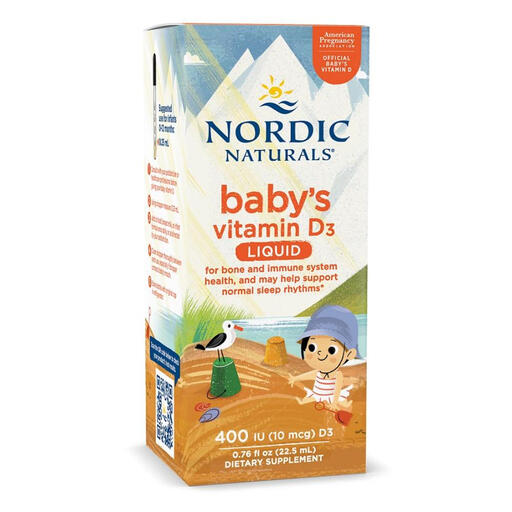
Why This Fits Their Persona: A measured liquid option for parents of infants from birth to 12 months who prioritise precise administration.
It is age-specific and supplies a measured 0.25 ml serving, rather than requiring parents to divide an older child’s tablet or gummy.
Provides 10 µg (400 IU) of vitamin D3 per serving and includes a measured dropper.
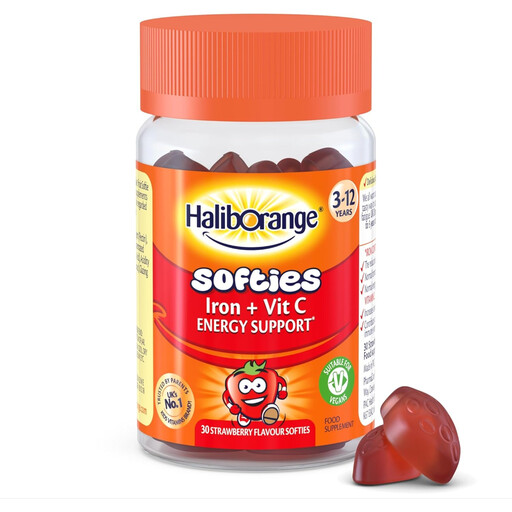
Why This Fits Their Persona: A focused option for parents who have identified low dietary iron intake and want a chewable format for ages 3 to 12.
It states the iron quantity separately—2.5 mg per softie—and combines it with 12 mg of vitamin C, making comparison easier than relying on vague “energy” wording.
One strawberry-flavoured softie daily; contains coconut, which should be checked against allergy requirements.
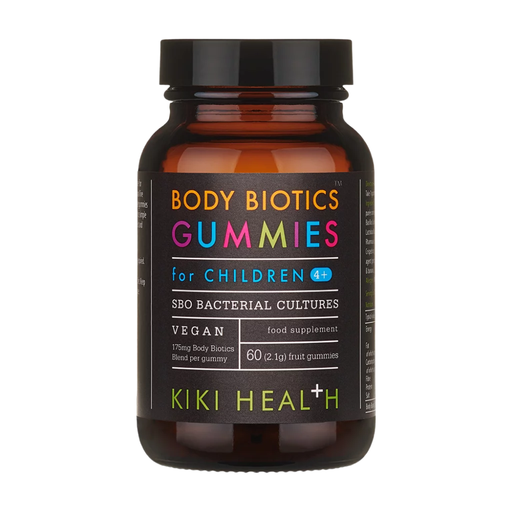
Why This Fits Their Persona: Suitable for families seeking children’s probiotics in a fruit-based gummy format for children aged 4 and above.
The label identifies eight bacterial cultures and gives a 175 mg blend amount per gummy, rather than presenting probiotics as an unspecified “gut boost”.
One gummy daily, made with real fruit ingredients and no added sugars according to the supplied product information.
We have compiled a complete, real-time list of products that fully satisfy these strict selection criteria and UK safety regulations.
No. Check the minimum age, chewing ability, ingredients and dosage. Gummies may contain gelatine, coconut, sugar or polyols, and should be treated as supplements rather than sweets. Young children should take them under adult supervision.
Families commonly compare children’s multivitamins, vitamin D, iron, vitamin C, probiotics and omega-3 supplements. The right choice depends on diet and individual circumstances. A GP, pharmacist or health visitor can advise where a child has symptoms, a diagnosed deficiency, restricted eating or takes medicines.
Shelf life varies by product. Check the best-before date, storage instructions and any “use within” guidance after opening. Keep liquids, tablets and gummies in their original packaging, away from heat and moisture, and securely out of children’s reach.