
24/7 Customer Support

Free returns

Same-day & Next-day Delivery

Quality Guaranteed

Unlock Your Welcome Offers: FREE Delivery | Up to 80% OFF | Free 30-day JoyPlus trial
Download the APP
As a parent, navigating the world of children's vitamins can feel like a maze. Shelves are packed with brightly coloured bottles, all promising to support your child's health. But with so much choice, it's easy to fall into common traps that lead to wasted money and ineffective supplementation. As the Joybuy Product Recommendation Officer, my role is to help you cut through the marketing jargon and make an informed choice for your family.
Before you add anything to your basket, let's look at the most frequent pitfalls UK parents encounter:
To avoid these traps, focus on a few non-negotiable parameters. This will ensure the product you choose is genuinely beneficial for your child.
The first thing to check is the age range. A product's format is often the clearest indicator of its suitability.
The UK's Department of Health recommends that all children from 6 months to 5 years old are given a daily supplement containing vitamins A, C and D. This official guidance underscores the importance of age-specific supplementation.
While a balanced diet is the foundation of good health, certain nutrients warrant special attention, particularly for children living in the UK.
Always read the full ingredients list. Look for what's included and, just as importantly, what's left out.
To help you match a product to your child's needs, here are some options that align with different parental priorities.
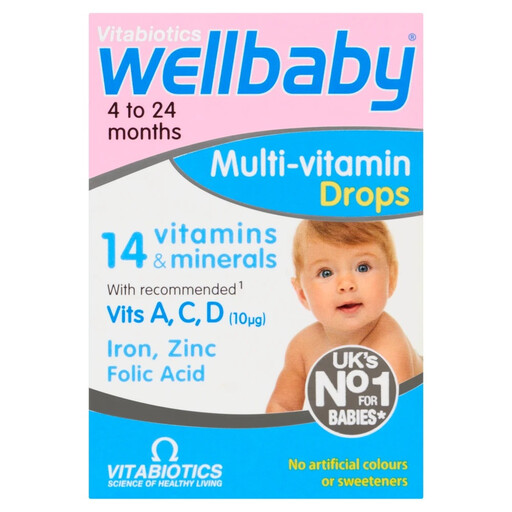
Why This Fits Their Persona: This liquid drop format is ideal for infants and young toddlers. It provides a comprehensive blend of 14 nutrients, including the government-recommended levels of Vitamin D and can be administered easily with the included syringe, removing the stress of trying to get a baby to swallow a pill or chew a gummy.
It directly counters the "one-size-fits-all" myth by being specifically formulated for the 4-24 month age group, ensuring correct dosage and nutrient balance for this critical developmental stage.
Includes iron for cognitive development and 10?g of Vitamin D. The liquid format with a malt extract base is gentle on young digestive systems.
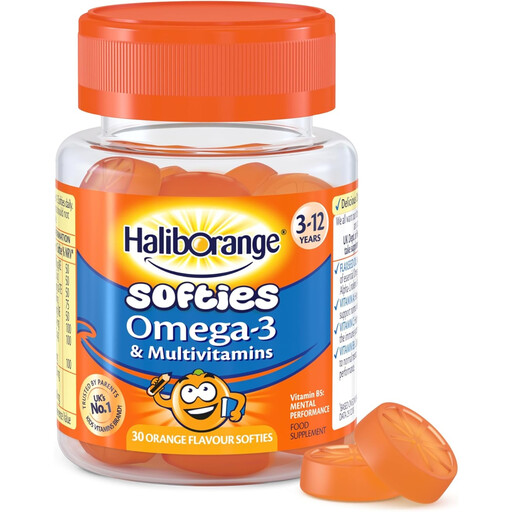
Why This Fits Their Persona: For parents struggling with fussy eaters, these orange-flavoured softies are a game-changer. They are tasty and easy to chew, making daily supplementation a treat rather than a chore. The formula provides a good balance of essential vitamins plus the added benefit of Omega-3.
This product helps avoid the trap of overlooking key nutrients by combining a standard multivitamin with Omega-3 (ALA) from flaxseed oil, supporting brain function in a single, convenient softie.
Contains 8 essential vitamins, including Vitamin A for vision and Vitamin C for immunity. The soft, chewable format and pleasant orange flavour ensure high acceptance among children.
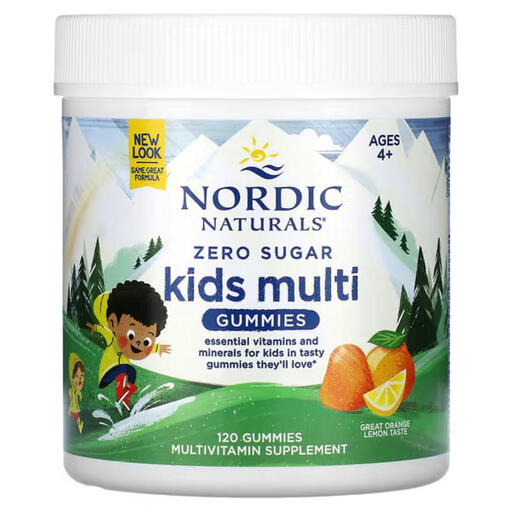
Why This Fits Their Persona: For parents who prioritise clean ingredients, this is an excellent choice. It's a comprehensive multivitamin that is certified vegetarian and contains zero sugar, using xylitol and stevia for sweetness. It delivers 18 essential nutrients without artificial colours, flavours or preservatives.
It directly tackles the "healthy gummy" illusion. By being completely sugar-free and using pectin instead of gelatine, it provides the convenience of a gummy without the unwanted sugar load or animal products.
A comprehensive formula with 18 nutrients, including B vitamins, zinc and Vitamin D3. It is a certified vegetarian and sugar-free option.
We have compiled a complete, real-time list of products that fully satisfy these strict selection criteria and UK safety regulations.
1. Do children who eat a balanced diet still need vitamins? For many children, a varied and balanced diet provides all the necessary nutrients. However, supplements can be beneficial for bridging nutritional gaps, especially for picky eaters, children with dietary restrictions (like vegetarianism) or during periods of rapid growth. The UK Department of Health specifically recommends a Vitamin D supplement for all children under five, regardless of diet, due to our climate.
2. When is the best time of day to give my child their vitamins? Consistency is more important than timing. Many parents find it easiest to incorporate vitamins into a morning routine, often with breakfast. Fat-soluble vitamins (A, D, E and K) are absorbed better when taken with a small amount of food containing fat. Always read the product label for specific instructions.
3. How do I choose between liquid drops and chewable gummies? The choice largely depends on your child's age and preference.