
24/7 Customer Support

Free returns

Same-day & Next-day Delivery

Quality Guaranteed

Unlock Your Welcome Offers: FREE Delivery | Up to 80% OFF | Free 30-day JoyPlus trial
Download the APP
As a Joybuy Product Recommendation Officer, my role is to help you navigate the crowded shelves and find products that genuinely deliver. When it comes to authentic Sichuan cooking, few ingredients are as crucial, or as commonly misunderstood, as chilli bean paste. Many UK home cooks, eager to recreate dishes like mapo tofu, find their results lack that signature depth and complexity. Often, the culprit is the jar of "chilli paste" they picked up.
This guide will help you sidestep the common purchasing pitfalls and understand what truly defines a quality chilli bean paste, ensuring your next Sichuan dish tastes just as intended.
To get the right product, you need to look past the front label and check a few key details. These parameters are what separate an authentic Sichuan cooking paste from the generic alternatives.
The soul of authentic doubanjiang comes from fermented broad beans. This is what gives the paste its signature savoury, funky and deeply complex flavour. While some pastes use soybeans, the most revered type, Pixian doubanjiang (郫县豆瓣酱), is made exclusively with broad beans. Always check the ingredients list; if "broad bean" (or fava bean) is listed high up, you are on the right track. Pastes based primarily on soybeans or just chillies will not deliver the same authentic taste for dishes like mapo tofu.
Like wine or cheese, the flavour of chilli bean paste develops with age. Longer fermentation breaks down the proteins in the beans, mellowing the raw saltiness and creating a richer, more rounded umami flavour. Some brands offer a "premium grade" paste, which often indicates it has been aged for a longer period (sometimes several years). These pastes are typically darker in colour and have a more concentrated flavour, meaning you can use less to achieve a powerful result. For cooks serious about authenticity, a premium or aged toban djan is a worthwhile investment.
The final factor is what else is in the jar.
Instead of a generic list, we have matched our recommendations to specific cooking styles and preferences found in UK kitchens.

Why This Fits Their Persona: This cook is dedicated to recreating authentic Sichuan flavours for dishes like Mapo Tofu or Twice-Cooked Pork. They need the foundational, unadulterated taste that only a high-quality Pixian doubanjiang can provide.
This is a genuine Pixian broad bean paste, not a chilli oil or a different type of paste. Its "premium grade" status signifies a focus on the fermentation process, delivering the authentic flavour profile you need.
The premium grading suggests a longer fermentation, resulting in a deeper, more complex and less harshly salty flavour. It's a concentrated paste, giving you full control over the cooking process.
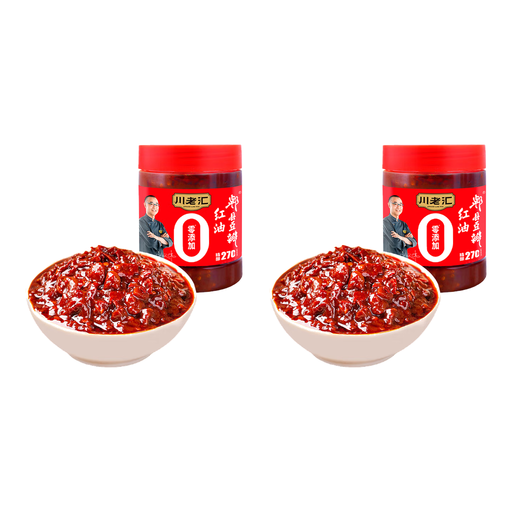
Why This Fits Their Persona: This person loves bold flavours but needs convenience for quick weeknight meals. They want a versatile paste that can be easily added to stir-fries, noodles or marinades without extra steps.
This product avoids the "dry paste" problem. By including chilli oil, it's ready to use straight from the jar, eliminating the need to bloom it separately and saving precious time during a busy evening.
Its all-in-one nature makes it highly versatile for tossing, stir-frying or dipping. The rich, oily appearance ensures it coats ingredients well and disperses flavour quickly and evenly.

Why This Fits Their Persona: This cook carefully reads ingredient lists and prefers to avoid artificial additives like flavour enhancers (MSG) and preservatives. They want authentic flavour derived from natural fermentation.
This product directly addresses the hidden additive trap. The "Zero Additives" claim is a clear signal that it forgoes common enhancers, offering a cleaner, more transparent ingredient profile.
Delivers an authentic Pixian flavour that relies on the quality of its core ingredients—red chilli, broad beans, salt, wheat flour and oil—rather than artificial shortcuts. It's a great choice for flavour control.
We have compiled a complete, real-time list of products that fully satisfy these strict selection criteria and UK safety regulations.
Chilli bean paste (doubanjiang) is a fermented cooking base made from broad beans, salt and chillies. It has a thick, pasty texture and a deeply savoury, salty flavour. It must be cooked to release its full potential. Chilli crisp, like the popular Lao Gan Ma sauce, is a condiment made of crispy chilli flakes, fried onions and other ingredients in oil. It is ready-to-eat and used as a topping to add spice and texture, not as a foundational flavour base.
Once opened, chilli bean paste should be stored in the refrigerator. Ensure the lid is tightly sealed to prevent it from drying out and to preserve its flavour. It is a fermented, high-salt product, so it has a long shelf life, but refrigeration is recommended to maintain its quality. Always use a clean spoon to scoop it out to avoid introducing contaminants.
Most traditional chilli bean pastes are not intended for raw consumption. They have a very intense, salty flavour that needs to be mellowed and activated by cooking, typically by stir-frying it in oil at the beginning of a recipe. This process, known as blooming, unlocks its aromatic qualities and deep red colour, forming the flavour base of the dish.