
24/7 Customer Support

Free returns

Same-day & Next-day Delivery

Quality Guaranteed

Unlock Your Welcome Offers: FREE Delivery | Up to 80% OFF | Free 30-day JoyPlus trial
Download the APP
Chilli oil can transform plain noodles, dumplings, rice and stir-fries with very little preparation. However, bottles and jars labelled “spicy chilli oil”, “Sichuan seasoning” or “crispy chilli oil” can differ considerably in texture, salt level, heat, allergens and intended use.
The right choice depends less on eye-catching packaging and more on what is inside. This guide from the Joybuy Product Recommendation Officer explains the practical details to check before buying chilli oil in the UK, followed by three product matches for different cooking habits.
Some products are primarily infused oil, while others contain chilli pieces, garlic, peanuts, fermented soybeans, sesame or seasoning powders. A clear red oil may work well for finishing dishes, but it will not provide the crunch or savoury depth of a thicker chilli condiment.
Before ordering, check whether you want:
Bright red colour does not automatically indicate a hotter product. Colour can come from chillies, paprika or chilli oleoresin, while the flavour may be sweet, salty, garlicky, smoky or numbing.
A better way to compare products is to inspect the ingredient list. Chilli percentages vary across the selection: Yaomazi Chilli Oil 250ml lists chilli at 28%, while Cui Hong Fragrant Spicy Red Chilli Oil lists 11.34%. These figures do not alone determine heat, but they offer useful context when comparing a red chilli oil.
Many Chinese chilli oil products contain peanuts, sesame, soybeans or wheat. This is particularly important for households managing food allergies or preparing food for guests.
Storage also varies. Several products are suitable for a cool, dry cupboard before opening but require refrigeration after opening. Itsu Crispy Chilli Oil, for example, advises refrigeration and consumption within one month after opening. Always follow the label on the product delivered, as packaging and instructions may change.
For an everyday Sichuan chilli oil, look for a combination of chilli, rapeseed or vegetable oil, Sichuan pepper, garlic, onion, sesame and spices. A simpler formula may suit cooks who want to control salt and seasoning themselves.
If texture matters, look for terms such as sediments, chilli flakes, fried garlic, peanuts or seeds. These ingredients make a noticeable difference when spooned over noodles, congee or steamed buns.
Sichuan cuisine often combines chilli heat with the distinctive tingling or numbing sensation associated with Sichuan pepper. A standard spicy chilli oil may be hot and savoury without much mala character. Products containing Sichuan peppercorns or Sichuan pepper oil are more suitable if you specifically want that aromatic, tingling profile.
For a separate boost of numbing flavour, HADAY Sichuan Pepper Oil contains rapeseed oil and 2% Sichuan pepper. It is designed for cooking, seasoning and dipping rather than serving as a complete chilli oil sauce.
Chilli oil is energy-dense because oil is its main ingredient. Compare the nutrition panel rather than relying on claims such as “light” or “natural”. Salt levels can also differ significantly: some products list very little salt, while others contain several grams per 100g.
Check these details before buying:
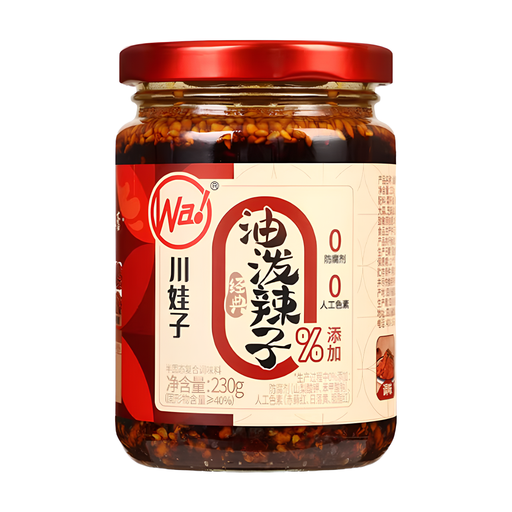
Why This Fits Their Persona: A practical starting point for UK cooks who want one ready-to-eat Sichuan-style condiment for noodles, dumplings, salads and stir-fries.
The listing identifies chilli at 15% or more and clearly states that the product contains sesame and peanuts, helping shoppers assess flavour and allergens before purchase.
Includes chilli, Sichuan pepper, sesame, onion, ginger and garlic; supplied in a 230g jar and ready to eat.
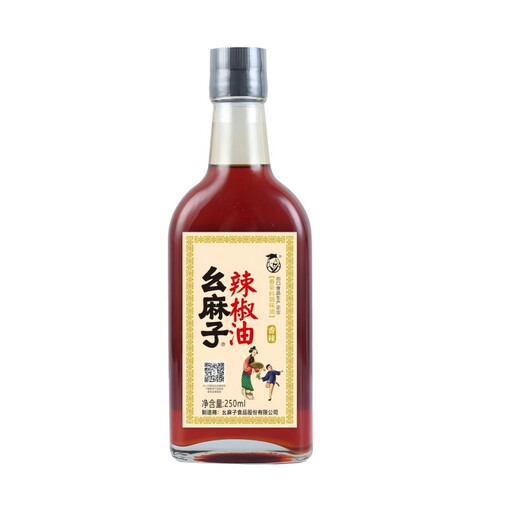
Why This Fits Their Persona: Suits cooks seeking a straightforward Chinese chilli oil with a high listed chilli proportion for cold dishes, noodles, hot pot and stir-fries.
Its listed ingredients are rapeseed oil, chilli at 28% and spices, with no allergens stated in the supplied product information.
250ml quantity; ready to use; suitable for adding near the end of cooking or drizzling over finished dishes.

Why This Fits Their Persona: A convenient option for shoppers who prioritise crunch on noodles, rice bowls, dumplings and quick weekday meals.
The ingredient list specifies fried garlic, sunflower seeds and sesame seeds, so the texture is identifiable rather than implied by the word “crispy”.
100g jar; listed heat level 2; contains soybeans, sesame and wheat, which are clearly identified for checking.

Why This Fits Their Persona: Designed for cooks who want chilli heat alongside Sichuan pepper aroma in cold dishes, noodles and hot dishes.
The ingredient list specifically includes Sichuan peppercorns, rather than relying only on a generic “spicy” description.
Contains rapeseed oil, chilli, sesame, Sichuan peppercorns and spices; ready to eat and supplied in a 200g pack.
We have compiled a complete, real-time list of products that fully satisfy these strict selection criteria and UK safety regulations.
No. Chilli oil is usually oil infused with chillies and spices, while chilli sauce may contain more water, fermented ingredients, sugar or solid pieces. A crispy chilli oil can function as a condiment, but always check the ingredient list and texture.
Follow the instructions on the jar or bottle. Some products advise keeping them sealed in a cool, dry place, while others recommend refrigeration after opening. Use clean utensils, close the container promptly and check the packaging for the recommended consumption period.
There is no single period for every product. Shelf life depends on the formulation, packaging and storage guidance. Itsu Crispy Chilli Oil advises using it within one month after opening, while other products state that they should be consumed promptly or refrigerated. Check the best-before information and discard the product if its smell, appearance or texture changes noticeably.