
24/7 Customer Support

Free returns

Same-day & Next-day Delivery

Quality Guaranteed

Unlock Your Welcome Offers: FREE Delivery | Up to 80% OFF | Free 30-day JoyPlus trial
Download the APP
A spoonful of chilli oil can transform noodles, rice, dumplings and stir-fries, but choosing the right jar is not simply a matter of picking the hottest-looking label. UK shoppers often encounter products with similar red colours but very different textures, ingredients and uses.
Three common purchasing traps are worth avoiding:
Start by deciding how you plan to use the product. A smooth oil works well for mixing into soups, marinades and stir-fries. Crispy chilli oil, chilli crisp and garlic chilli oil contain fried ingredients that add texture to otherwise soft dishes.
Look for ingredients such as:
A jar with substantial solids may need stirring before serving. If you want chilli oil for noodles or chilli oil for rice, consider whether you prefer a spoonful of crunchy pieces or mainly seasoned oil.
Heat ratings are useful, but they are not a universal measurement. A product marked mild may still feel spicy to someone unused to chilli, while a product with a higher rating may be balanced by sugar, garlic or aromatic spices.
For a gentler introduction, Japanese-style garlic toppings and mild chilli crisp can be suitable. Sichuan chilli oil may include Sichuan pepper, which adds a distinctive aromatic and tingling character rather than simply increasing chilli heat. Thai sweet chilli products generally offer a sweeter, saucier profile and are not interchangeable with a savoury Chinese chilli oil.
Check whether the product contains:
This helps match the jar to your cooking rather than relying on packaging imagery.
Many chilli oils are high in fat because oil is the primary ingredient. Salt can also be significant. For example, the listed salt content is 9.3g per 100g for Lao Gan Ma Spicy Crispy Oil Chilli, while Itsu Crispy Chilli Oil lists 3.1g per 100g. These figures are not directly comparable as a recommended serving, but they illustrate why checking the label matters.
Common allergens include:
Always check the packaging supplied with your order, particularly if you have an allergy or intolerance. Storage instructions also vary. Some products advise refrigeration after opening, while others should be kept sealed in a cool, dry place. Follow the manufacturer’s label and use the product within the stated period.
The most suitable option depends on how often you use chilli condiments and what you usually cook. The following recommendations focus on practical differences in texture, flavour and pack size.

Why This Fits Their Persona: A compact 100g jar is a practical way to try a crispy chilli topping without committing to a larger quantity. Its listed heat level is 2, making it suitable for everyday drizzling.
The product description clearly identifies fried garlic, sunflower seeds and sesame seeds, helping shoppers distinguish it from smooth chilli sauce.
Includes fried garlic and seeds for crunch; available in a four-pack option as well as a single 100g jar.
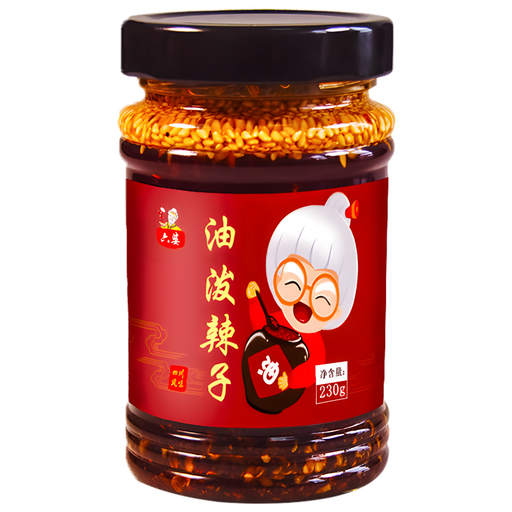
Why This Fits Their Persona: Suitable for cooks seeking a Sichuan-style condiment with aromatic ingredients for cold dishes, dumplings, rice, noodles and braised dishes.
Its ingredient list specifies chilli, sesame, peanuts, ginger and spring onion, giving a clearer picture of its aromatic profile than a generic “spicy” description.
Ready to use; can be mixed with vinegar or soy sauce for a dumpling dip.
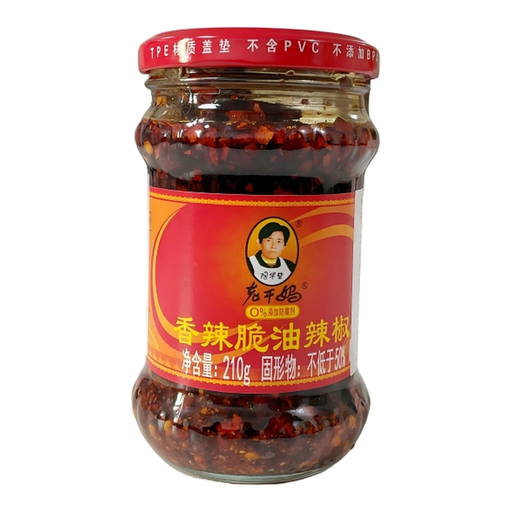
Why This Fits Their Persona: A 210g jar suits regular users who add chilli crisp to noodles, rice, dumplings, stir-fries, porridge or hot-pot dips.
The listed quantitative ingredients include chilli flakes, peanuts and soybeans, making the crunchy texture easier to anticipate.
Ready to eat and suited to both topping and cooking; contains soybeans, so it is not suitable for shoppers avoiding soy.
We have compiled a complete, real-time list of products that fully satisfy these strict selection criteria and UK safety regulations.
Chilli oil is usually a seasoned oil infused with chilli and spices. Chilli crisp or crispy chilli oil contains solid ingredients such as fried garlic, onion, seeds, peanuts or chilli flakes. The latter adds both heat and texture, making it particularly suitable for noodles, rice and dumplings.
Follow the product label. Some jars require refrigeration after opening, while others advise keeping them sealed in a cool, dry place. Use a clean spoon, keep the lid closed and check for any product-specific consumption guidance.
Begin with a small teaspoon, stir and adjust according to taste. Crunchy products may distribute heat unevenly if the solids settle, so stir the jar before serving. Also consider the salt and oil already present in the rest of the dish.