
24/7 Customer Support

Free returns

Same-day & Next-day Delivery

Quality Guaranteed

Unlock Your Welcome Offers: FREE Delivery | Up to 80% OFF | Free 30-day JoyPlus trial
Download the APP
A good chilli oil can transform a simple meal into something truly memorable. From drizzling over noodles and dumplings to adding a kick to stir-fries, this versatile spicy condiment has become a staple in many UK kitchens. Yet, the growing variety on supermarket shelves can be overwhelming. It's easy to end up with a jar that's all fiery heat with no flavour, or one that simply isn't right for the dishes you love to cook.
As the Joybuy Product Recommendation Officer, my role is to help you navigate the options and find the right product for your pantry. Many shoppers fall into a few common traps, leading to disappointment and wasted money. Let's look at how to avoid them.
To make sure you're getting a product that matches your needs, pay attention to these three core elements on the label.
The foundation of any chilli oil is, of course, the oil and the chillies. Most use a neutral base like rapeseed or soybean oil, which allows the other ingredients to shine. The type of chilli used is crucial. For example, products from Sichuan will often feature chillies that provide a fragrant, moderate heat, frequently paired with Sichuan peppercorns for that unique mala (numbing-spicy) sensation. The ingredients list will also reveal the source of its aromatic depth—look for garlic, shallots, star anise or ginger.
Understanding the different formats is key to getting what you want.
Beyond just "spicy," what taste are you looking for?
Instead of a generic list, we've matched some popular options to the home cooks who will appreciate them most.
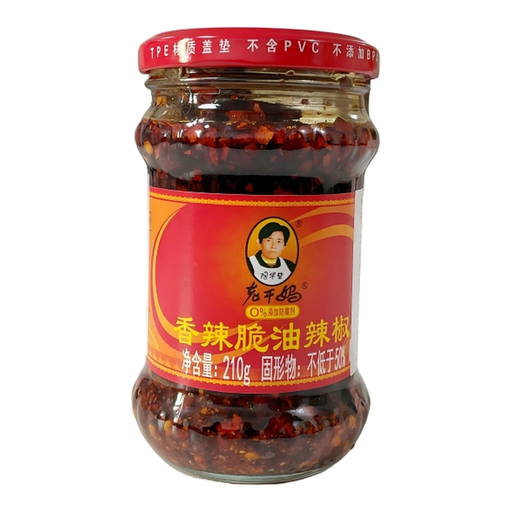
Why This Fits Their Persona: This is the iconic chilli crisp that has become a global phenomenon. It's the go-to for anyone wanting to replicate the authentic taste and texture found in countless Chinese noodle bars and restaurants across the UK. It's a true pantry workhorse.
It masterfully avoids the "all heat, no flavour" and "textureless" pitfalls. The flavour is deeply savoury and complex, while the jar is packed with crunchy chilli flakes, fermented soybeans and Sichuan pepper.
Its signature crunchy texture is its main draw. It adds an addictive savoury crunch to rice, eggs, noodles and steamed vegetables.
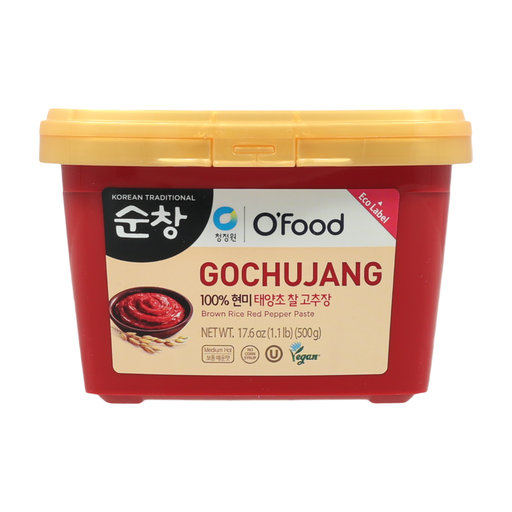
Why This Fits Their Persona: For anyone serious about cooking Korean food at home, Gochujang is non-negotiable. This thick, rich paste is the backbone of flavour for dishes like tteokbokki (spicy rice cakes), bibimbap sauce and countless stews (jjigae).
This product directly counters the "one-size-fits-all" myth. It's a fermented paste, not an oil, demonstrating the need to choose the right condiment for the cuisine. Its flavour is sweet, savoury and spicy—completely different from a Chinese chilli oil.
Provides the essential, authentic fermented umami flavour that is impossible to substitute in Korean cooking. It's a versatile base for marinades, glazes and sauces.
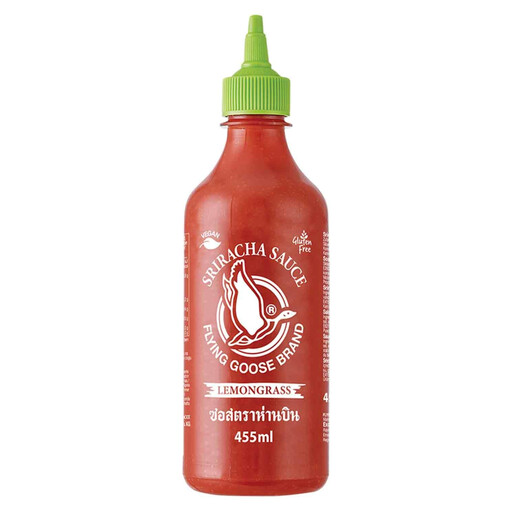
Why This Fits Their Persona: This is for the home cook who loves the familiar tangy heat of Sriracha but is looking for a fresh twist. The addition of lemongrass makes it a fantastic companion for grilled fish, chicken kebabs, summer rolls or even just to liven up a mayonnaise.
This sauce has a clear and distinct flavour profile. It's not a generic hot sauce; it's a specific combination of chilli heat and bright, citrusy lemongrass. This helps users make a deliberate choice for a particular taste, avoiding flavour mismatches.
Offers a unique, aromatic twist on a classic hot sauce. The bright lemongrass flavour makes it exceptionally versatile for both Asian and Western dishes.
We have compiled a complete, real-time list of products that fully satisfy these strict selection criteria and UK safety regulations.
The main difference is texture. Chilli oil refers to the spicy, infused oil itself, which is the primary component. It's great for dressings and cooking. A chilli crisp is defined by its high ratio of solid, crunchy ingredients like fried chilli flakes, peanuts and soybeans suspended in the oil. It's used as a textured topping to add both flavour and crunch.
Once opened, it's generally advisable to store chilli oil in the refrigerator to maintain its freshness and flavour. While shelf life varies by brand, most should be consumed within a few months. Always check the product label for specific storage instructions and best-before dates. The oil can solidify in the fridge but will return to a liquid state at room temperature.
It is not recommended as a direct substitute. Gochujang is a thick, fermented Korean paste with a sweet, savoury and tangy flavour profile. Chinese chilli oil is an oil-based condiment with a fragrant, often smoky or numbing flavour. Their textures and tastes are fundamentally different and they play very different roles in cooking. Using one for the other will significantly alter the final dish.