
24/7 Customer Support

Free returns

Same-day & Next-day Delivery

Quality Guaranteed

Unlock Your Welcome Offers: FREE Delivery | Up to 80% OFF | Free 30-day JoyPlus trial
Download the APP
The world of chilli oil has expanded far beyond a simple spicy drizzle. Walk down any international food aisle, and you're met with a dizzying array of jars promising everything from a subtle warmth to a full-blown sensory assault. For UK home cooks exploring authentic East Asian flavours, this variety can be both exciting and confusing. Too often, a purchase ends in disappointment, with a jar gathering dust after one taste.
As a Joybuy Product Recommendation Officer, my role is to help you navigate this landscape. We'll sidestep the common pitfalls and focus on what truly matters, ensuring your next bottle of this versatile spicy condiment perfectly matches your culinary needs.
Before we dive into the specifics, let's look at the frequent mistakes that lead to buyer's remorse:
To avoid these traps, focus on three key characteristics when making your selection.
The foundation of any good chilli oil is, unsurprisingly, the oil itself. Most are made with a neutral base like rapeseed or soybean oil, which allows the infused ingredients to shine. The real magic comes from the aromatics steeped in the oil. Look for ingredients like ginger, garlic, star anise, bay leaf and cinnamon. These create a fragrant, savoury backbone that separates a high-quality oil from a basic one. The goal is a condiment that adds layers of flavour, not just a kick of heat.
Understanding the texture you need is crucial for your dish.
Finally, identify the primary flavour you're seeking.
Based on these criteria, here are a few options tailored to different tastes and uses.
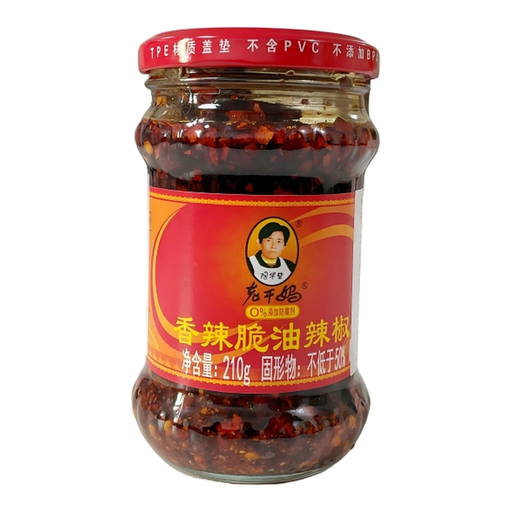
Why This Fits Their Persona: This is the iconic entry point into the world of chilli crisp. It's incredibly versatile, perfect for spooning over eggs, fried rice or noodles. The flavour is savoury and satisfyingly crunchy without being overwhelmingly spicy or complex, making it a brilliant all-rounder for someone starting their collection.
It masterfully avoids the "texture mismatch" by being a true, purpose-made chilli crisp. It also sidesteps the "all heat, no flavour" trap with its rich, savoury base and crunchy peanuts and soybeans.
Features crunchy chilli flakes, peanuts and soybeans for fantastic texture. A globally recognised flavour that is savoury and versatile.

Why This Fits Their Persona: For the home cook specifically chasing that authentic Sichuan tingle, this oil is the perfect tool. It's formulated to deliver the signature 'mala' sensation, making it ideal for recreating restaurant-quality dishes like Mapo Tofu, spicy wontons or a fiery hot pot base at home.
This product directly solves the "'Mala' Misunderstanding." It clearly lists Sichuan peppercorns (5%), ensuring you get the authentic numbing heat you're looking for, not just generic spiciness.
Purpose-built for 'mala' flavour with a noticeable Sichuan peppercorn content. Also contains fermented black beans for a complex, savoury depth.
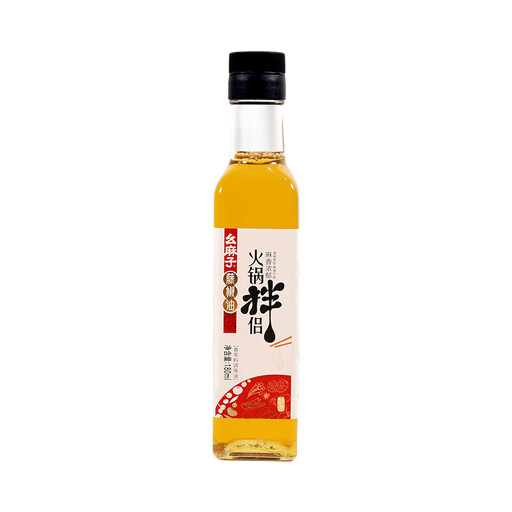
Why This Fits Their Persona: This is for someone who values aroma as much as heat, especially for dipping. Made with fragrant green Sichuan pepper, this oil offers a bright, citrusy and numbing fragrance that is less about intense red chilli heat and more about aromatic complexity. It's perfect for creating a custom hot pot or dumpling dipping sauce.
It avoids the "all heat, no flavour" trap by focusing on the unique, fresh aroma of green Sichuan pepper. It's a specialised finishing oil, not a generic spicy sauce, making its purpose clear.
Focuses on the bright, numbing aroma of green Sichuan pepper. Ideal as a fragrant finishing oil for dips, cold dishes and noodles.
We have compiled a complete, real-time list of products that fully satisfy these strict selection criteria and UK safety regulations.
The main difference is texture. Chilli oil can refer to any oil infused with chillies, which may be smooth or have soft sediment. Chilli crisp, on the other hand, is defined by its crunchy texture. It's a condiment loaded with fried, crispy bits (like chilli flakes, garlic or soybeans) that you spoon onto food for both flavour and a textural crunch.
For most commercially produced chilli oils, it is advisable to store them in the refrigerator after opening. This helps to preserve the flavour of the infused aromatics and prevents the oil from going rancid. Always use a clean spoon to scoop out the contents to avoid introducing contaminants. Check the product label for specific storage instructions.
You certainly can, but be mindful of its unique property. A Sichuan chilli oil containing Sichuan peppercorns will add a tingling, numbing sensation known as 'mala'. While delicious in many Asian dishes, this sensation might be unexpected if you're adding it to something like a pizza or a sandwich. For a more universally applicable heat, a standard chilli oil or chilli crisp might be a more suitable choice.