
24/7 Customer Support

Free returns

Same-day & Next-day Delivery

Quality Guaranteed

Unlock Your Welcome Offers: FREE Delivery | Up to 80% OFF | Free 30-day JoyPlus trial
Download the APP
From the fiery kick in a stir-fry to the deep, savoury warmth in a stew, the right chilli paste can transform a simple meal into something truly memorable. Yet, navigating the world of spicy condiments can be a minefield. With shelves and online stores filled with countless jars promising "authentic flavour," it's easy to end up with a product that's either one-dimensionally hot or packed with unnecessary additives, ultimately disappointing your culinary ambitions.
As the Joybuy Product Recommendation Officer, my role is to help you see past the marketing jargon. Let's break down the common pitfalls UK home cooks face when buying chilli paste and identify the key factors that ensure you get the flavour you're paying for.
Many of us have been there: a recipe calls for a specific type of heat, but the paste you bought just adds a generic, fiery burn, ruining the dish's balance. Here are a few frequent issues to watch out for:
To avoid these traps, focus on a few key details on the product label. Understanding these will empower you to select a spicy condiment that perfectly matches your cooking needs.
The foundation of a chilli paste dictates its primary use. Is it a fermented paste, an oil-based condiment or a fresh, vinegar-based sauce?
Look beyond a simple heat rating. The type of chilli used and the inclusion of other spices define the paste's character. A harissa paste from North Africa, for instance, might blend different chilli varieties with spices like cumin, coriander and caraway for a smoky, earthy warmth. A Sichuan chilli sauce is defined by the addition of Sichuan peppercorns, which provide a unique numbing sensation alongside the heat. Understanding this helps you pair the paste correctly with your cuisine of choice.
A quick scan of the ingredients list is revealing. High-quality pastes will list chillies and other core flavour components (like garlic, fermented beans, or spices) at the top. Be wary if sugar, salt or water are the first or second ingredients. While necessary for flavour and preservation, they shouldn't dominate the product. For a cleaner flavour, look for pastes with a shorter ingredient list and fewer E-numbers or artificial preservatives.
Instead of a generic list, we've matched some excellent options to the specific needs of UK home cooks.
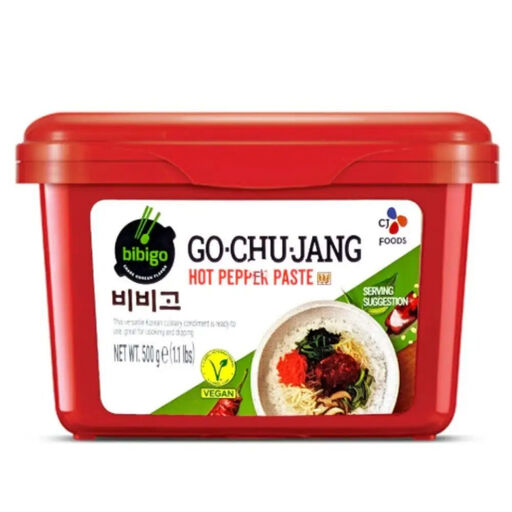
Why This Fits Their Persona: If you're serious about making bibimbap, tteokbokki or Korean BBQ marinades, you need a reliable gochujang. This one provides the quintessential sweet, savoury and spicy flavour that forms the backbone of Korean cooking. The 500g tub is practical for anyone who uses it regularly.
It avoids the "inauthentic" pitfall by using a traditional fermentation base of rice and soybeans, delivering a complex umami depth rather than just sugary sweetness from corn syrup alone.
Highly versatile as a stir-fry paste, marinade or sauce base. Its balanced flavour profile makes it a dependable staple for a wide range of Korean dishes.
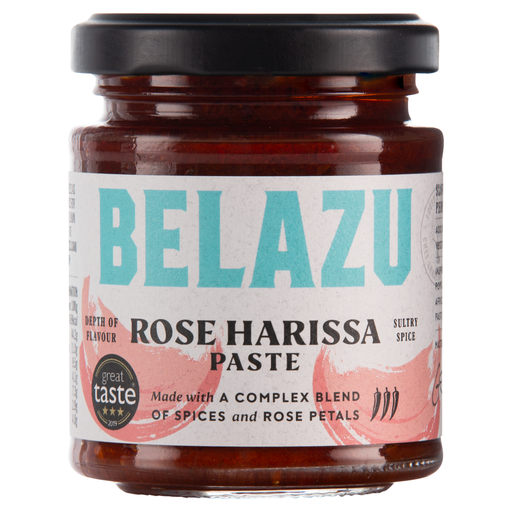
Why This Fits Their Persona: For those looking to move beyond simple spice, this harissa paste offers a journey of flavour. The addition of rose petals provides a fragrant, floral aroma that complements the smoky depth of the chillies, perfect for elevating tagines, roasted vegetables or even a simple chicken marinade.
This paste masterfully sidesteps the "one-note heat" trap. It delivers a complex, layered experience where the spice is balanced by aromatic and floral notes, adding sophistication rather than just a burn.
Its unique, aromatic flavour profile is incredibly versatile, working well in North African cuisine but also adding an exciting twist to modern British dishes like scrambled eggs or roasted meats.
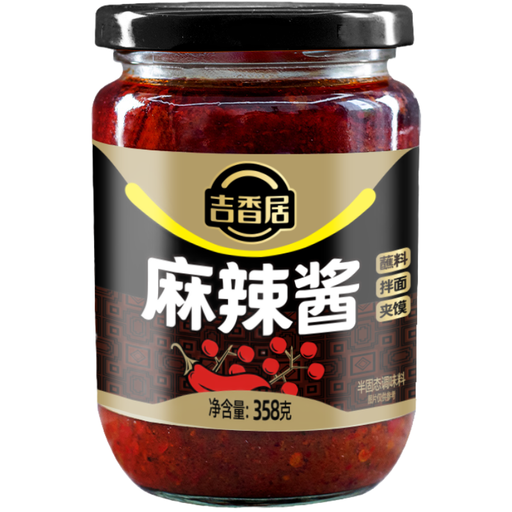
Why This Fits Their Persona: If you're chasing the authentic *mala* (numbing and spicy) flavour for dishes like Mapo Tofu or a hot pot base, this is what you need. It's not just hot; it's specifically formulated with Sichuan peppercorns to deliver that signature tingling sensation.
It directly counters the "one-note heat" trap by providing the crucial numbing element (*ma*) that defines Sichuan cuisine. A generic chilli sauce simply cannot replicate this complex sensation.
Contains both chilli peppers (39%) and Sichuan peppercorns (2%), along with broad bean paste, for an authentic, multi-layered flavour profile. It's a ready-to-use base for genuine Sichuan dishes.
We have compiled a complete, real-time list of products that fully satisfy these strict selection criteria and UK safety regulations.
1. How should I store chilli paste after opening? Most chilli pastes require refrigeration to maintain their freshness and prevent spoilage. Fermented pastes like gochujang and bean pastes must be kept cold to slow down the natural fermentation process. Oil-based pastes tend to have a longer shelf life, but refrigeration is still recommended. Always use a clean, dry spoon to scoop out the paste to avoid introducing contaminants. Refer to the product's packaging for specific storage advice, as it can vary from a few weeks to several months.
2. Can I use different types of chilli paste interchangeably in recipes? While you can substitute in a pinch for general heat, it's not advisable if you're aiming for an authentic flavour. The taste profiles are vastly different. For example, a Thai chilli paste often contains shrimp paste, galangal and lemongrass, creating a fragrant, savoury heat that is completely unlike the smoky, earthy profile of a harissa paste. Swapping them will significantly alter the character of your dish.
3. What is the difference between chilli paste and chilli oil? The main difference lies in their composition and intended use. A chilli paste is a thick, concentrated blend of ground chillies and other ingredients, designed to be used as a cooking paste or a flavour base for sauces and stews. Chilli oil, on the other hand, is an infusion of chillies and aromatics in oil. It is thinner in consistency and is typically used as a finishing condiment, drizzled over dishes like noodles, dumplings or pizza to add a final burst of flavour and heat.