
24/7 Customer Support

Free returns

Same-day & Next-day Delivery

Quality Guaranteed

Unlock Your Welcome Offers: FREE Delivery | Up to 80% OFF | Free 30-day JoyPlus trial
Download the APP
Choosing chilli and pepper products is not simply a matter of selecting the hottest jar or the largest packet. UK shoppers often compare powders, pastes, oils, frozen chillies and preserved peppers without checking how each product should be used, stored or measured.
Three common buying pitfalls can lead to waste:
The right choice depends on your cooking habits, preferred cuisines and tolerance for heat. The following guide explains what to compare before adding products to your basket.
Start by identifying whether the product is a single ingredient or a prepared condiment.
A pure chilli powder may contain only ground red chillies, making it useful for curries, marinades and sauces where you want to control the seasoning yourself. By contrast, a chilli paste or Chinese chilli sauce may include oil, salt, sugar, garlic, fermented beans, sesame, peanuts or flavour enhancers.
This difference affects both flavour and cooking flexibility:
Read the label carefully if you have allergies. Products containing peanuts, soybeans, sesame, wheat or mustard may not suit every household, and shared-facility warnings should also be considered.
A larger pack is not automatically more economical if the product is used only occasionally. Compare the pack size with how often you cook spicy food.
For example, a 30g or 60g white pepper powder may suit occasional seasoning, while 100g packs of chilli powder, paprika or black pepper are practical for regular cupboard use. A 210g to 280g jar of chilli oil can be convenient for households that serve noodles, dumplings or stir-fries frequently.
Frozen options such as crushed green chillies require freezer space and should remain frozen. They can reduce preparation time, but they are less suitable if you have limited freezer capacity or rarely cook with fresh green chilli.
Dry products should generally be kept in a cool, dry place, sealed and away from direct sunlight and humidity. Moisture can cause clumping and affect aroma.
Prepared oils, pastes and sauces require closer attention:
For products with allergens, always check the packaging supplied with your order, as recipes and labelling can change.
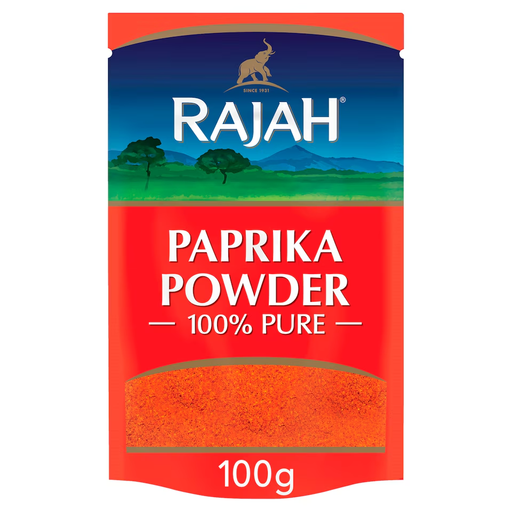
Why This Fits Their Persona: A straightforward cupboard spice for new cooks who want colour and mild pepper flavour without committing to a very hot product. It can be added to roasted vegetables, marinades, pasta and vegetarian dishes.
The product is listed as 100% paprika, so there is no prepared sauce or oil to manage after opening.
100g pack; ready to use; suitable for Mediterranean, Spanish and Hungarian-style recipes.
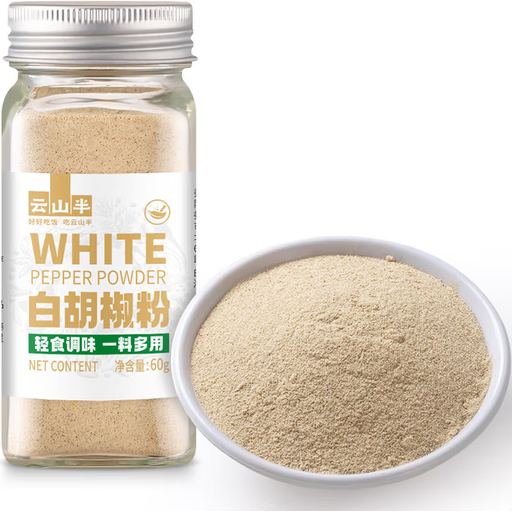
Why This Fits Their Persona: A focused ingredient for cooks who value a specific pepper aroma in Chinese soups, sauces, marinades and stir-fries.
It is listed as white pepper rather than a blended seasoning, allowing you to control salt and additional spices separately.
60g pack; ground white peppercorns; suitable for light-coloured dishes where black specks are undesirable.
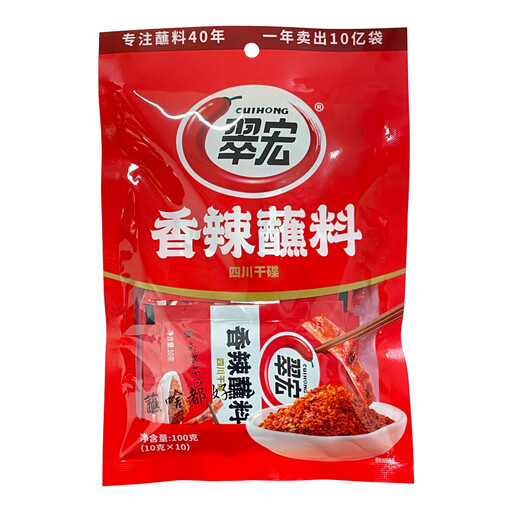
Why This Fits Their Persona: Suitable for frequent noodle, dumpling, wonton, rice and stir-fry meals where a ready-to-use Sichuan-style chilli oil is more convenient than preparing spices from scratch.
The 10-serving format gives a clearer idea of usage than an unspecified large jar, while the label identifies peanut and sesame allergens.
100g pack; ready to eat; includes chillies, rapeseed oil, roasted sesame and spices.
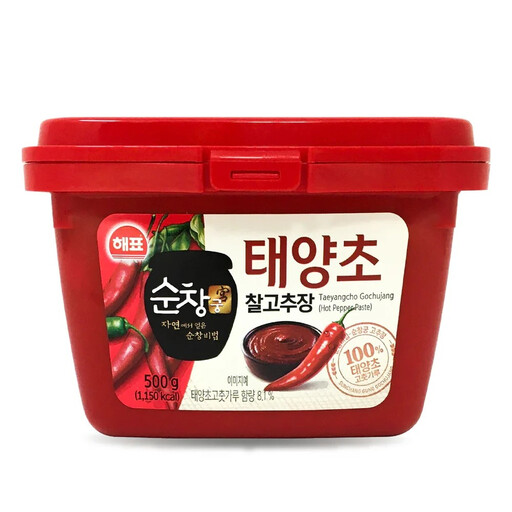
Why This Fits Their Persona: A 500g Korean hot pepper paste for cooks preparing bibimbap, tteokbokki, stews, marinades and dipping sauces regularly.
The ingredient list shows it is a prepared fermented paste with red pepper seasoning, rice and fermented soybean powder, rather than plain chilli.
500g tub; sweet, spicy and savoury profile; refrigerate after opening; check gluten and shared-facility allergen information.
We have compiled a complete, real-time list of products that fully satisfy these strict selection criteria and UK safety regulations.
For Indian and African recipes, compare chilli powder, crushed green chillies and regional spice blends. Rajah Extra Hot Chilli Powder contains 100% ground red chillies and is designed for gradual addition to curries, stews, sauces and marinades. Start with a small amount, particularly when cooking for several people.
Fans of Chinese and Sichuan food may prefer chilli oil, preserved black bean sauces or crispy chilli oils. These products can add heat, salt, fat and savoury depth at the same time, so reduce additional salt in the recipe until you have tasted the finished dish.
For Mediterranean cooking, paprika, sweet red peppers and roasted red peppers provide colour and pepper flavour without relying on intense heat. Frozen crushed green chillies are useful for everyday curries and sauces, but remember that agricultural products naturally vary in heat level.
Vegetarians should still check the full label rather than relying only on a vegetarian symbol. Some sauces include fermented soy, wheat or other ingredients, while frozen chilli products may be processed in facilities handling nuts, sesame, dairy or cereals.
Paprika, black pepper or a mild chilli condiment can be easier starting points than extra-hot chilli powder. Choose a product with a clear ingredient list and add small quantities while cooking. This allows you to build heat without overpowering the dish.
Storage life depends on the label and the product. Some chilli oils and pastes should be refrigerated after opening, while others specify cool, dry storage. Keep the container sealed, use clean utensils and follow the printed best-before and usage instructions.
Not necessarily. Heat depends on the chilli variety, concentration and recipe. Chilli powder may deliver more direct heat because it is concentrated ground chilli, while chilli oil can spread heat through oil and include garlic, spices, beans or other ingredients. Always begin with a modest quantity and adjust to taste.