
24/7 Customer Support

Free returns

Same-day & Next-day Delivery

Quality Guaranteed

Unlock Your Welcome Offers: FREE Delivery | Up to 80% OFF | Free 30-day JoyPlus trial
Download the APP
Chilli powder can add colour, warmth and depth to everyday cooking, but not every red powder performs the same way. A mild Indian chilli powder may be ideal for family curries, while cayenne pepper or extra hot chilli powder can quickly overpower a sauce. Some products are also blends containing salt, sesame, oil or other spices, so checking the label is essential before buying.
This guide explains the practical differences between chilli powders available in the UK and highlights suitable options for different cooking habits.
A vivid red colour does not automatically mean a chilli powder is extra hot. Some chillies are valued more for colour and fruity flavour than heat. Conversely, a pale-looking cayenne or hot chilli powder may deliver considerable heat.
Look for wording such as mild, hot or extra hot, but remember that these descriptions are not always directly comparable between brands. Start with a small quantity when using an unfamiliar product.
The term “chilli powder” can describe different products. A pure powder may list only chilli or ground red chillies. A chilli seasoning could also contain salt, cumin, oregano, garlic, oil, sesame or anti-caking agents.
This matters when preparing chilli powder for curries, marinades or sauces, because a blend may already add salt and additional flavour. Read the full ingredients list rather than relying only on the front of the pack.
A 400 g or 1 kg pack can offer practical value for regular cooks, but ground chilli gradually loses aroma when exposed to air, heat and moisture. Occasional users may find that a smaller 28–100 g container is easier to keep fresh.
Choose an airtight container or reseal the original packaging after opening. Store chilli powder in a cool, dry cupboard away from sunlight and steam from the hob.
Match the powder to how you cook:
For a balanced curry, consider whether you want heat, colour or both. A pure red chilli powder may give more control than a pre-seasoned blend.
Check whether the product contains 100% chilli or additional ingredients. Sesame is particularly relevant in Sichuan-style products and may be present in chilli powders designed for dipping or sprinkling. Some blends also contain soy, wheat or other ingredients handled in the same facility.
UK food labels should provide ingredient and allergen information, but product formulations can change. Always check the packaging before use, especially if you are cooking for someone with an allergy.
Small jars are convenient for occasional use and easier to finish while the aroma is still pronounced. Larger packs make more sense for professional cooks, frequent curry preparation or batch cooking.
Compare the net quantity rather than the apparent size of the container. Once opened, keep the powder tightly sealed and use the best-before information on the packaging as a guide to quality.
The following choices cover different heat preferences, ingredient formats and usage patterns. They are selected from the product details available at the time of writing.
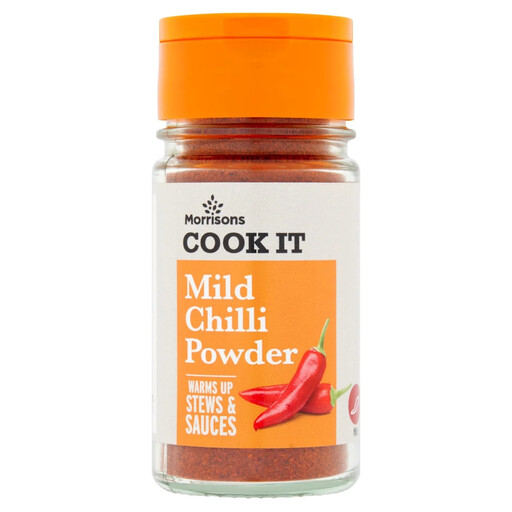
Why This Fits Their Persona: A manageable 45 g pack for new spice users or households cooking occasional curries, soups and tomato-based dishes.
It is specifically labelled mild, helping reduce the risk of buying an unexpectedly hot powder for family meals.
The ingredients list identifies chilli powder only, and the product is suitable for vegetarians.
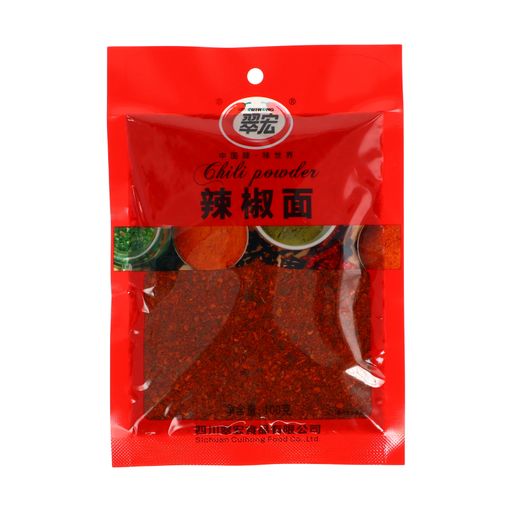
Why This Fits Their Persona: Suits cooks looking for a ready-to-use Sichuan-style seasoning for stir-fries, marinades, dry dips or chilli oil.
The listed ingredients make clear that this is a compound seasoning, not plain ground chilli, so its oil, sesame and spices are not hidden surprises.
Contains chilli, rapeseed oil, sesame and spices; the 100 g quantity is suitable for several cooking applications.

Why This Fits Their Persona: Designed for cooks who regularly prepare fiery curries, stews, sauces, marinades or global dishes requiring concentrated heat.
The extra-hot description clearly signals that small quantities should be added first, rather than treating the powder like a mild seasoning.
The listed ingredients are 100% ground red chillies, and the 100 g pack is practical for frequent use.
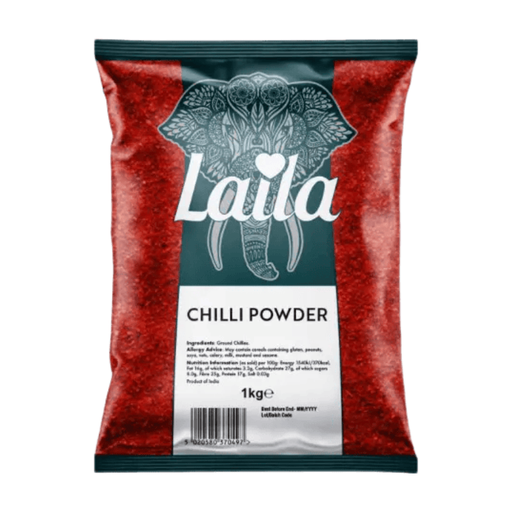
Why This Fits Their Persona: A high-quantity option for busy households, caterers or cooks who use ground chilli frequently in curries, sauces and marinades.
The large pack is appropriate only where usage is high, helping avoid repeatedly buying small containers for regular cooking.
The 1 kg pack contains chilli powder only according to the listing and is intended for use across curries, sauces and everyday dishes.
We have compiled a complete, real-time list of products that fully satisfy these strict selection criteria and UK safety regulations.
Avoid inhaling loose powder and wash your hands after handling. Take particular care around eyes and sensitive skin, and follow the preparation and storage instructions printed on the product label.
Not always. Cayenne pepper is generally a specific type of ground hot pepper, while chilli powder can refer to pure ground chilli or a blend containing other spices. Check the ingredients and heat description before substituting one for the other.
Keep it in a cool, dry cupboard away from direct sunlight and moisture. Reseal the pack or transfer it to an airtight container after opening. If the powder develops an unusual odour, visible spoilage or persistent damp clumps, follow the packaging guidance before use.