
24/7 Customer Support

Free returns

Same-day & Next-day Delivery

Quality Guaranteed

Unlock Your Welcome Offers: FREE Delivery | Up to 80% OFF | Free 30-day JoyPlus trial
Download the APP
Buying chilli products in the UK can be surprisingly difficult. A small jar may deliver concentrated heat, while a larger bottle may be mostly sugar, oil or salt. Packaging can also make a mild seasoning look fiery, or present a complex sauce as a simple everyday condiment.
Whether you want chilli powder for curries, crushed red chillies for pizza, gochujang for Korean cooking or chilli oil for noodles, checking the details before buying helps avoid waste and disappointing meals.
“Extra hot” tells you the product is intended to deliver strong heat, but not necessarily whether it has a smoky, fruity, fermented or savoury flavour. A pure chilli powder can add direct heat, whereas a Korean chilli sauce or chilli bean sauce may contribute sweetness, salt, garlic and umami as well.
If you want to season a dish without changing its overall character, choose a relatively simple ingredient such as chilli powder or crushed red chillies. For a ready-made flavour base, consider a sauce or paste with several complementary ingredients.
A bright red colour does not automatically indicate a high chilli content. Some sweet chilli sauce products contain sugar as the main ingredient, while chilli oil may be high in fat and chilli bean sauce can contain significant salt.
Look for:
Always check the physical packaging before consumption, as formulations and allergen statements may change.
A 500g tub of fermented pepper paste may be economical for regular Korean recipes but inconvenient if you only cook them occasionally. Conversely, a 100g spice pouch may not last long in a busy household.
Consider how often you will use it, whether it needs refrigeration after opening and whether the product is ready to eat or must be cooked thoroughly.
Chilli powder is finely ground and disperses evenly through soups, marinades and sauces. An extra-hot powder such as Rajah Ground Extra Hot Chilli Powder is made with 100% ground red chillies, according to the supplied product information, so a small amount can provide concentrated heat.
Crushed red chillies retain seeds and pith, giving dishes visible texture as well as heat. They are useful for pasta, pizza, curries and infused oil. Heat can vary naturally between agricultural batches, so add a small amount first and adjust gradually.
Fresh-frozen formats, such as crushed green chillies, offer a practical alternative to buying fresh chillies repeatedly. They require freezer space and should not be refrozen after thawing.
For dipping, glazing and marinades, check the balance between chilli, sugar, vinegar and salt. Thai sweet chilli sauce is usually glossy and sweet with moderate heat, making it suitable for spring rolls, grilled foods and stir-fries.
Fermented products offer a different profile. Gochujang combines red chilli with rice, fermented soybean ingredients and seasoning, producing a thick paste for bibimbap, stews and marinades. Chilli bean sauce, also known as toban djan, is more savoury and salty, and is commonly used as a cooking base for Sichuan-style dishes.
Choose a size that matches your expected usage. Once opened, many sauces and pastes require refrigeration, while dried spices should be sealed and stored in a cool, dry place away from sunlight and moisture.
For allergy-conscious households, note that:
The label remains the definitive source for current allergen information.

Why This Fits Their Persona: A straightforward dried spice for shoppers who want one versatile ingredient for curries, tacos, stews and marinades without buying several sauces.
The ingredient list states 100% ground red chillies, making it easier to understand what you are buying. Start sparingly because the product is labelled extra hot.
100g pack; additive-free according to the supplied details; suitable for vegetarian diets; dry storage is simple.
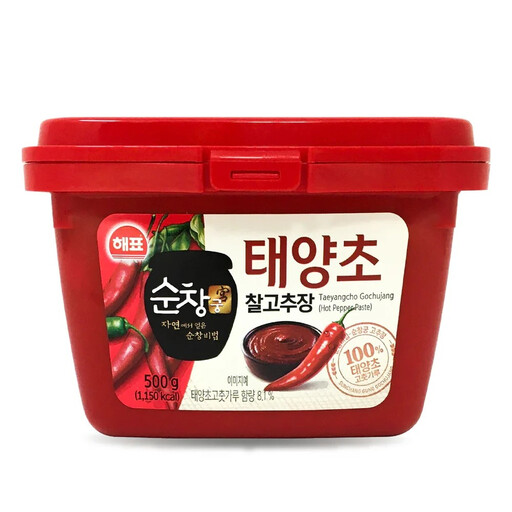
Why This Fits Their Persona: Suitable for cooks who want a thick Korean chilli paste with sweet, savoury and spicy notes for bibimbap, tteokbokki, marinades and stews.
The product format clearly indicates a fermented hot pepper paste rather than a thin hot sauce. Check the label carefully because it contains cereals containing gluten and soya.
Large 500g tub; multi-purpose paste; refrigerate after opening according to the supplied storage guidance.
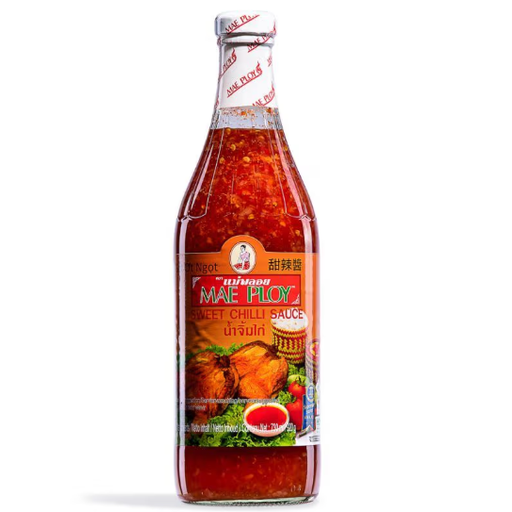
Why This Fits Their Persona: The larger bottle suits households that regularly use Thai sweet chilli as a dip, glaze, marinade or stir-fry ingredient.
The product is positioned as a sweet chilli sauce rather than an extra-hot condiment, helping set realistic expectations about heat. Its ingredient list shows sugar is a major component.
730ml format; no major allergens listed in the supplied ingredients; refrigerate after opening and use within the stated guidance.
We have compiled a complete, real-time list of products that fully satisfy these strict selection criteria and UK safety regulations.
A small pack of chilli powder is usually the simplest starting point because it stores easily and works in many cuisines. Add a pinch to soups, curries, beans or marinades, then increase gradually. If you prefer ready-made seasoning, a mild hot sauce or Thai sweet chilli sauce offers easier portion control.
Keep both in a cool, dry cupboard away from direct sunlight. Reseal the original pack or transfer the contents to an airtight container. Moisture can cause clumping and reduce ease of use. Discard the product if it develops an unusual smell, visible mould or unexpected discolouration.
It depends on the recipe. Pure chilli powder and crushed chillies may contain only chillies, while sauces can include soya, wheat, sesame, fish-derived ingredients or flavourings. Gochujang and chilli bean sauce commonly contain soya and wheat, so read the full UK allergen declaration before buying.