
24/7 Customer Support

Free returns

Same-day & Next-day Delivery

Quality Guaranteed

Unlock Your Welcome Offers: FREE Delivery | Up to 80% OFF | Free 30-day JoyPlus trial
Download the APP
Whether you are preparing a quick noodle dish, a slow-cooked curry or a weekend stir-fry, the right chilli products can add heat, colour and depth without creating unnecessary preparation. However, packaging often makes it difficult to compare products fairly. A chilli powder, chopped chilli and chilli oil may all be described as “versatile”, yet they behave very differently in a recipe.
This guide explains the key differences, common shopping pitfalls and practical product choices for UK kitchens.
A high chilli rating does not necessarily mean a more rounded or enjoyable flavour. Some products focus on sharp heat, while others combine chilli with garlic, fermented beans, vinegar, tomato or spices.
For family meals or everyday cooking, mild chilli products may be more useful than a very hot condiment. A mild chilli powder can be added gradually to soup, rice or a marinade, while a hotter sauce may dominate the entire dish.
Chilli powder and crushed green chillies are generally added during cooking. By contrast, pickled chillies, chopped chilli and garlic chilli topping are often ready to eat and can be spooned over food at the table.
Buying a ready-to-eat product for a recipe that requires dry seasoning can alter the texture and salt content. Similarly, using chilli oil as the only source of chilli flavour may add considerably more fat than a powder or fresh-style chilli ingredient.
Once opened, many wet chilli products require refrigeration. Some should be consumed within a stated period, such as four weeks or one month. Others are ambient before opening but must be refrigerated afterwards.
Always check the label for mustard, soya, sesame, peanuts, sulphites and gluten-containing ingredients. This is particularly important for fermented chilli condiments, chilli chutney and garlic chilli topping, which may contain soya sauce, sesame or preservatives.
Look for a stated chilli rating where available, but treat it as a general guide rather than a precise measurement. A product rated mild may suit:
For stronger regional flavours, Hunan chilli, Sichuan chilli condiment and fermented chilli products may offer heat combined with acidity, garlic or savoury depth. These are useful with noodles, dumplings, stir-fries and steamed dishes.
Choose the format that matches how you cook:
Read beyond front-of-pack descriptions. A product may contain sugar, oil, vinegar, preservatives or flavour enhancers in addition to chilli. For example, one chopped chilli product lists 12g of salt per 100g, while a mild chilli powder lists only 0.07g of salt per 100g.
If you follow a vegetarian or vegan diet, check the product information rather than relying only on the recipe suggestion. Some sauces contain honey, fish-derived ingredients or oyster-style seasonings. Frozen chilli and several vegetable-based sauces may be suitable for vegans, but formulations can change, so the current packaging remains the practical reference.
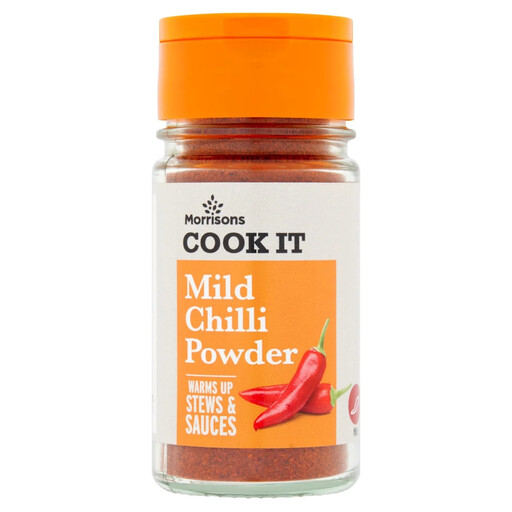
Why This Fits Their Persona: A compact, straightforward option for cooks building a basic spice cupboard or adding gentle heat to everyday meals.
Its stated mild rating helps set expectations, avoiding the uncertainty of an ungraded chilli blend.
Fine powder; suitable for vegetarian cooking; no listed allergens; 0.07g salt per 100g.
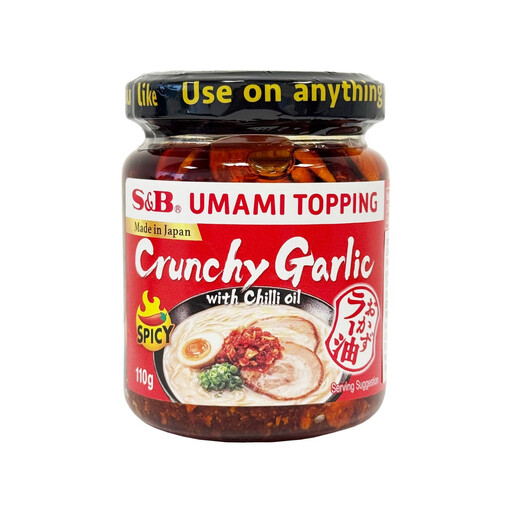
Why This Fits Their Persona: Suits shoppers who want a ready-to-use Japanese-style topping with crispy garlic, oil and chilli in one jar.
The product format clearly combines topping texture with chilli oil, rather than presenting oil as a substitute for crunchy ingredients.
Ready to serve; includes fried garlic and 12% chilli pepper; useful for noodles, rice, dumplings and stir-fries.
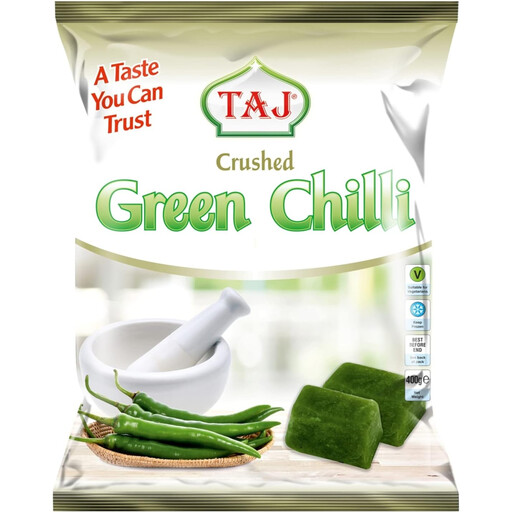
Why This Fits Their Persona: A larger frozen pack for regular curry, marinade and stir-fry cooking where fresh chilli preparation would create waste or extra work.
The frozen, crushed format avoids paying for a small jar of prepared sauce when the recipe needs chilli as a cooking ingredient.
400g pack; no artificial colours or preservatives listed; keep frozen at -18°C or below; cook thoroughly before eating.
We have compiled a complete, real-time list of products that fully satisfy these strict selection criteria and UK safety regulations.
Look for a stated mild rating, such as a rating of 1, and choose powder or a mild chilli oil topping that can be measured gradually. Tomato-based sauces and bean chilli sauces can also provide gentle warmth, but check their sugar and salt values.
Follow the storage instructions on the individual label. Some chilli oils are stored in a cool, dry cupboard, while sauces and chopped chilli products commonly require refrigeration after opening. Do not use a product if the seal is damaged or its appearance and smell have changed.
Some are, including certain chilli powders, frozen chillies and plant-based marinades. Others may contain honey, fish ingredients, soya or other allergens. Check the current ingredients and allergen declaration before buying, especially when serving guests or preparing vegan meals.