
24/7 Customer Support

Free returns

Same-day & Next-day Delivery

Quality Guaranteed

Unlock Your Welcome Offers: FREE Delivery | Up to 80% OFF | Free 30-day JoyPlus trial
Download the APP
From a subtle warmth to a fiery inferno, the world of chilli products offers a vast spectrum of flavours and heat levels. Yet, for many UK home cooks and spice enthusiasts, navigating the shelves can be a challenge. The market is filled with options, but not all deliver on their promises. Many find themselves with a cupboard full of bottles that are either all heat and no flavour, packed with sugar or not quite right for the global cuisines they want to explore.
As the Joybuy Product Recommendation Officer, my role is to help you sidestep these common issues. This guide will break down the key factors to consider, helping you choose the right chilli products that genuinely enhance your meals, rather than overpowering them.
Before adding to your basket, be aware of these frequent traps that can lead to a disappointing purchase:
chilli oil or the fermented depth of a Korean gochujang.Sweet chilli sauce and other spicy condiments can be surprisingly high in sugar. While a little sweetness can balance heat, excessive amounts can turn a versatile condiment into a cloying syrup, masking the nuanced flavours of the chillies themselves. Always check the ingredients list for the position of sugar.To make an informed choice, focus on these three practical parameters.
The physical form of a chilli product dictates its use in the kitchen.
sriracha, Scotch Bonnet sauce) to thick (sambal). They are ideal as table condiments, for finishing dishes or adding to marinades.Chilli oil is fantastic for drizzling over noodles, dumplings and eggs, adding both flavour and a rich texture. The "crisp" variety includes crunchy elements like fried soybeans or peanuts.gochujang are thick, concentrated and often fermented, providing a deep, complex umami flavour. They are fundamental as a cooking base in stews, soups and marinades rather than as a finishing sauce.dried chillies or crushed chipotle flakes offer concentrated heat and flavour. They are versatile for infusing oils, grinding into spice blends or rehydrating to make pastes from scratch, giving you maximum control over the final taste.The ingredients list is your most reliable guide. Look for the percentage of chillies listed; a higher percentage often indicates a more robust and authentic flavour. Check for specific pepper varieties mentioned by name (e.g., "Scotch Bonnet," "Arbol," "Piquin") as this points to a more carefully crafted flavour profile than generic "chilli powder." Be mindful of the placement of sugar and salt, as well as the number of preservatives and thickeners.
Different chillies serve different culinary purposes. A smoky, earthy chipotle is perfect for Mexican-inspired dishes, while a funky, savoury gochujang is essential for Korean cooking. A fiery, fruity Scotch Bonnet sauce is a cornerstone of Caribbean cuisine. Understanding these flavour profiles ensures you pick a product that complements your dish rather than clashing with it.
Here are a few selections that align with different needs, chosen to help you avoid the common pitfalls.
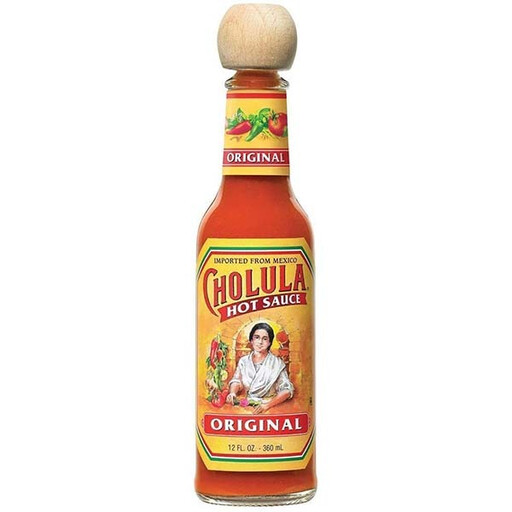
Why This Fits Their Persona: This person wants a reliable, flavour-forward hot sauce for daily use on everything from breakfast eggs to pizza and tacos. They prioritise taste over overwhelming heat.
It sidesteps the "all heat, no flavour" pitfall by using a blend of Arbol and Piquin peppers, focusing on a savoury, rounded taste rather than pure capsaicin burn.
Its mild, balanced heat and distinctive pepper flavour make it exceptionally versatile, enhancing dishes without overpowering them. The iconic wooden cap is a nice touch for the tabletop.
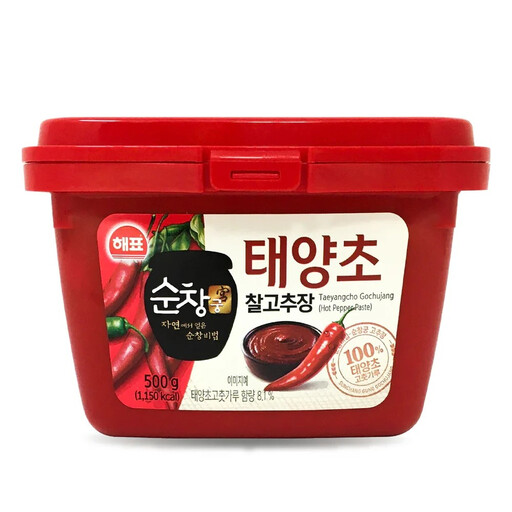
Why This Fits Their Persona: This home cook is dedicated to recreating authentic Korean dishes like bibimbap, tteokbokki or spicy stews. They need a foundational ingredient, not just a condiment.
This is a genuine gochujang, avoiding the "authenticity illusion." Its ingredients include fermented soybean powder and rice, which provide the deep, savoury and slightly sweet umami flavour that defines this Korean staple.
It's a versatile cooking base that provides complex flavour, not just heat. The thick paste consistency is ideal for marinades and stews, providing body and a rich colour.

Why This Fits Their Persona: This user actively seeks out intense heat but doesn't want to sacrifice flavour. They enjoy Caribbean-style heat and want a sauce that packs a serious, authentic punch for jerk chicken or stews.
While extremely hot, it delivers the distinctive fruity flavour of Scotch Bonnet peppers. The ingredients list confirms a high concentration (45%) of actual peppers, ensuring authentic taste alongside the fire.
It delivers on its promise of "extra hot" with a verifiable, high-quality pepper source. A little goes a long way, making it an economical choice for those who need a powerful heat source.

Why This Fits Their Persona: This person is looking for a convenient, ready-to-eat snack that delivers a satisfying spicy kick. They enjoy sharing `spicy snacks` and `chilli crisps` with friends or for a movie night.
It avoids the sugar trap often found in sweet chilli products. The seasoning provides a balance of sweet and spicy notes with fragrant herbs, delivering a complex flavour rather than just sweetness.
Made with thicker-cut potatoes for a satisfying crunch, these crisps offer a well-rounded Thai sweet chilli flavour that is both fragrant and subtly spicy. They are a familiar and reliable choice for sharing.
We have compiled a complete, real-time list of products that fully satisfy these strict selection criteria and UK safety regulations.
1. How should I store different chilli products to keep them fresh? Storage depends on the type. Dried chillies and flakes should be kept in an airtight container in a cool, dark and dry place to preserve their potency and colour. Oil-based products like chilli oil should also be stored in a cool, dark place, and you should always use a clean spoon to prevent contamination. Once opened, most vinegar or water-based hot sauces and pastes like gochujang should be refrigerated to maintain their quality and will typically last for several weeks or months. Always check the label for specific instructions.
2. What is the difference between chilli oil and chilli crisp? While both are oil-based condiments, the main difference is texture. Traditional chilli oil is primarily a flavoured oil infused with chilli flakes and aromatics, which are often soft. Chilli crisp, like the popular Lao Gan Ma, contains a significant amount of crunchy ingredients such as fried chillies, soybeans, peanuts or onions, providing a distinct textural contrast in addition to flavour and heat.
3. Can I use dried chillies instead of fresh ones in a recipe? Yes, but with adjustments. Dried chillies have a more concentrated and often smokier, earthier flavour than fresh chillies. If a recipe calls for fresh chillies, you can substitute with dried, but you will need to use less. It is often a good idea to rehydrate whole dried chillies in hot water for 20-30 minutes before using them to soften them and mellow their intensity. They can then be chopped or blended into a paste as the recipe requires.