
24/7 Customer Support

Free returns

Same-day & Next-day Delivery

Quality Guaranteed

Unlock Your Welcome Offers: FREE Delivery | Up to 80% OFF | Free 30-day JoyPlus trial
Download the APP
Navigating the world of chilli sauce can be a challenge. The shelves are packed with bottles promising authentic flavour and fiery heat, but many fall short, leaving you with a condiment that either overpowers your meal or adds little more than sugar and a vague spiciness. As home cooks in the UK become more adventurous, the demand for quality sauces, pastes and marinades has grown, but so has the marketing clutter. This guide will help you identify the key markers of a quality chilli sauce and avoid the common traps that lead to disappointing purchases.
As the Joybuy Product Recommendation Officer, my role is to filter through the options and provide practical advice, helping you find the right product for your kitchen, whether you're making a quick stir-fry, a slow-cooked stew or a zesty dip.
Before you add a new bottle to your basket, be aware of these frequent issues:
To ensure you get a product that delivers on its promise, focus on these three non-negotiable parameters.
The foundation of any chilli sauce dictates its character. Look at the ingredients list to understand what you're really buying.
The texture of a sauce determines its ideal application. A single sauce rarely does everything well.
Instead of a generic list, we've matched our recommendations to specific cooking styles and needs, ensuring you find a product that genuinely works for you.
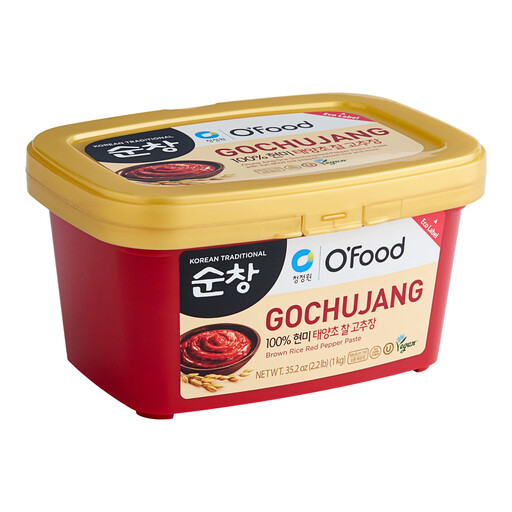
Why This Fits Their Persona: For those looking to recreate authentic Korean dishes like bibimbap or tteokbokki, a genuine fermented paste is non-negotiable. This provides the foundational savoury, sweet and spicy flavour that defines the cuisine.
This is a true gochujang, not a simple chilli sauce. Its base of tapioca syrup, brown rice and fermented soybeans avoids the "authentic flavour illusion" by delivering genuine umami depth.
Thick, paste-like consistency is perfect for marinades, stews and sauces. It provides balanced heat with a complex, savoury character.
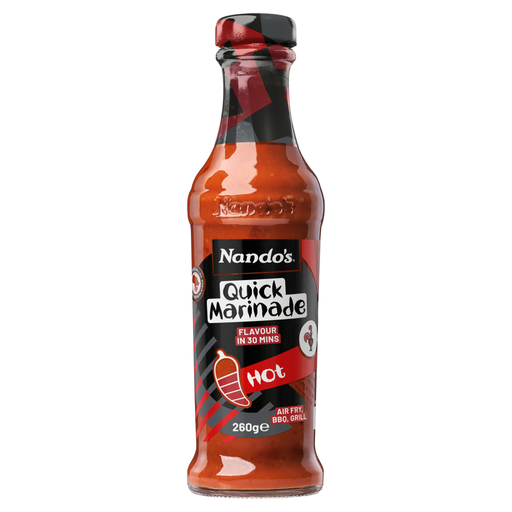
Why This Fits Their Persona: Ideal for anyone who loves grilling, barbecuing or using an air fryer. This is purpose-built as a spicy marinade to infuse chicken and other meats with flavour in just 30 minutes.
It avoids the "unsuitable texture" trap by being specifically formulated as a marinade, ensuring it clings to and penetrates meat effectively, unlike a thin table sauce.
Delivers the distinctive, tangy flavour of peri-peri sauce (African Bird's Eye Chilli) with garlic and lemon. Quick and convenient for flavourful meals.
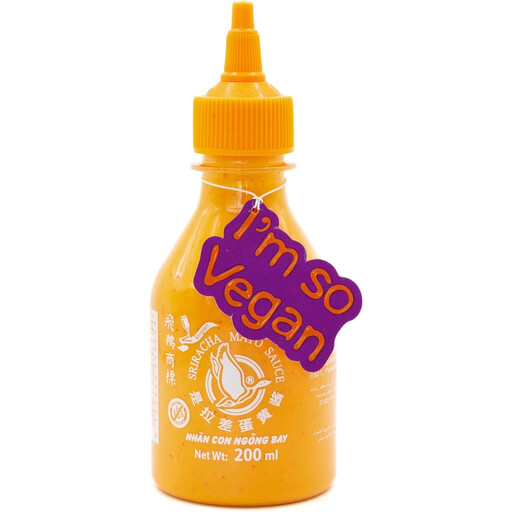
Why This Fits Their Persona: This is the perfect all-rounder for anyone on a plant-based diet. It provides the creamy texture of mayonnaise with the popular spicy-garlic kick of sriracha, making it a versatile condiment for everything from chips to sandwiches.
It sidesteps the "heat over flavour" trap by blending 20% chilli with a creamy, rich base. The result is a vegan spicy mayo with a pleasant warmth that doesn't overwhelm the palate.
Certified vegan and gluten-free. The creamy, emulsified texture makes it an excellent spread, dip or dressing that won't separate.
We have compiled a complete, real-time list of products that fully satisfy these strict selection criteria and UK safety regulations.
1. How long does chilli sauce last once opened? This depends heavily on the ingredients. High-acidity, vinegar-based sauces can last for several months in the refrigerator. However, creamy sauces like a spicy mayo or oil-based sauces, have a much shorter shelf life and should typically be consumed within 4-8 weeks of opening. Always refer to the storage instructions on the packaging for specific guidance.
2. What is the difference between Sriracha and Gochujang? While both are popular red chilli condiments, they are very different. Sriracha is a smooth, pourable Thai hot sauce with a tangy, garlicky flavour profile derived from chillies, vinegar, garlic and sugar. Gochujang is a thick, fermented Korean chilli paste made with glutinous rice, fermented soybeans and salt. It has a complex, savoury and deeply umami flavour with a lingering sweet heat, and is used more as a cooking base than a finishing sauce.
3. Can I use a stir-fry sauce as a marinade? While you can, it may not be ideal. A dedicated spicy marinade is formulated to penetrate meat and tenderise it. A stir fry sauce often contains higher levels of sugar and thickeners like corn starch, which are designed to create a glossy coating in a hot wok. These ingredients can burn easily during longer cooking processes like grilling or roasting. For the best results, it's wise to use each product for its intended purpose.