
24/7 Customer Support

Free returns

Same-day & Next-day Delivery

Quality Guaranteed

Unlock Your Welcome Offers: FREE Delivery | Up to 80% OFF | Free 30-day JoyPlus trial
Download the APP
Choosing a chilli sauce should be simple, but the shelf can be confusing. Bottles labelled hot sauce, Asian chilli sauce, peri peri sauce and extra hot sauce may vary widely in heat, sweetness, texture and intended use. A sauce that works well with chips may overpower a stir-fry, while a large bottle can become poor value if it needs to be discarded soon after opening.
This guide helps UK home cooks, international food enthusiasts and spice lovers compare products by flavour profile, heat level, ingredients, allergens, size and versatility.
“Extra hot” describes intensity, not quality or depth. A very hot sauce may add heat without the garlic, citrus, fermented or smoky notes needed for a balanced dish. Conversely, a mild sauce can still deliver plenty of flavour through vinegar, peppers, spices or umami-rich ingredients.
Consider whether you want:
Ingredients are listed by weight, so the opening items provide useful clues. Sugar or syrup near the beginning usually indicates a sweeter sauce, while chilli purée, dried peppers or pepper paste suggest a more concentrated pepper character.
For example, Thai sweet chilli sauce commonly combines chilli, sugar, garlic and vinegar. Indonesian sambal may be oil-based and savoury, while gochujang Korean chilli paste typically has a thicker texture and a sweet-savoury fermented profile.
International sauces can contain soya, wheat, mustard, sesame, crustaceans or fish, even when the product name does not make this obvious. Always check the latest packaging, particularly if buying gochujang, shrimp-flavoured chilli or sauces made with fermented beans.
Storage also affects value. Some products require refrigeration after opening, and certain labels recommend using them within a stated period. Check the bottle or tub rather than relying only on general assumptions.
Heat labels are not always directly comparable between brands. Look for the pepper varieties and how they are used:
If you are unsure, choose a mild or medium product first. You can add more sauce during cooking, but reducing excessive heat from a finished dish is more difficult.
A smooth, pourable hot sauce is convenient for drizzling over tacos, eggs or chips. A thicker sauce clings more effectively to grilled food and can work as a glaze. Paste-style products such as gochujang Korean chilli paste are concentrated and better suited to marinades, stews, bibimbap, tteokbokki and stir-fries.
For dipping, look for a consistency that can be spooned or poured without separating excessively. Oil-based chilli sauces may need shaking or stirring before use.
Small bottles are useful when trying a new flavour or buying an extra hot sauce that will be used sparingly. Larger bottles and tubs can offer better value for frequent cooks, shared households or regular meal preparation.
Compare the sugar, salt and oil content per 100g or 100ml, not just the front-of-pack heat description. Sweet chilli sauces can contain considerably more sugar than vinegar-based pepper sauces, while oil-rich chilli sauces may have higher energy values. Also check whether the product is suitable for your dietary requirements, including halal, vegetarian or gluten-free needs.
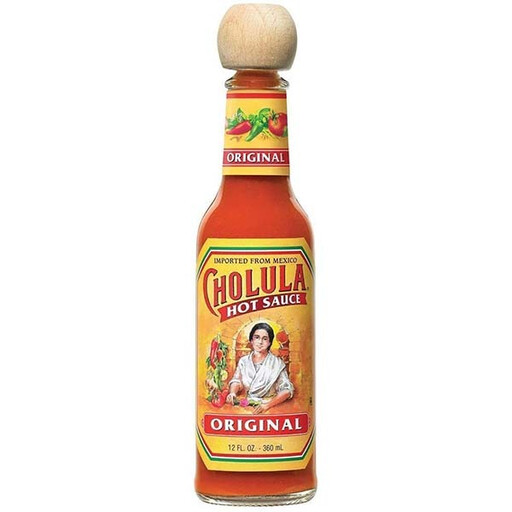
Why This Fits Their Persona: A compact Mexican-style bottle for shoppers wanting a versatile everyday hot sauce without committing to a large pack.
Its listed arbol and piquin peppers provide a clear flavour direction, while the 150ml size limits waste if you are still discovering your preferred heat level.
Pourable texture; suitable for eggs, pizza, tacos, soups and marinades. Contains soya beans, so check the label if relevant.
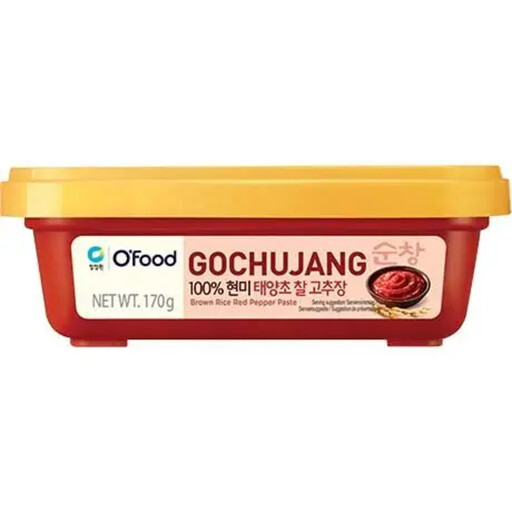
Why This Fits Their Persona: Suitable for cooks seeking a traditional Korean-style paste with a concentrated sweet, savoury and spicy profile.
The product format makes its purpose clear: this is a red pepper paste for mixing into recipes, rather than a thin sauce intended only for drizzling.
Works in marinades, stews, dipping sauces and stir-fries. Contains wheat and soya beans; refrigerate after opening.
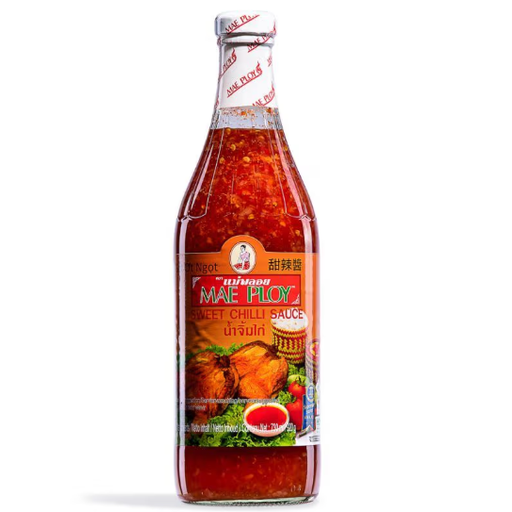
Why This Fits Their Persona: A large format for households that regularly serve spring rolls, grilled meat, stir-fries or Thai-inspired meals.
The 730ml size is more appropriate for frequent use than a small bottle, while the listed chilli, garlic and vinegar indicate a defined sweet-tangy style.
Suitable for dipping, glazing, marinades and stir-fries. Contains no listed allergens, but the facility handles fish, shellfish and soya.
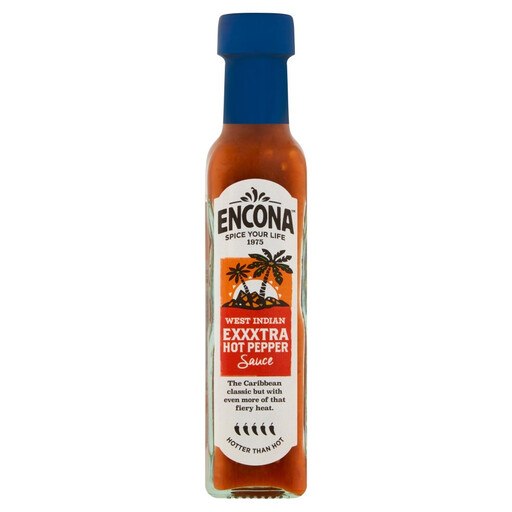
Why This Fits Their Persona: Designed for spice lovers who want a concentrated Caribbean-style extra hot sauce for controlled use.
The label identifies scotch bonnet and habanero-style pepper heat, so its intense character is clearer than a vague heat rating alone.
Thick texture for marinades, curries and dips; ready to eat and sold in a compact 142ml bottle. Contains mustard.
We have compiled a complete, real-time list of products that fully satisfy these strict selection criteria and UK safety regulations.
Hot sauce is often thinner and vinegar-led, making it suitable for drizzling. Chilli sauce is a broader category that includes sweet, thick, fermented, oily and chunky products. The right choice depends on how you plan to use it.
Sweet chilli sauce works well with spring rolls, satay and grilled food. Thai spicy dipping sauce can add sweet, sour and tamarind notes, while a smooth Mexican-style hot sauce suits eggs, tacos and savoury snacks.
There is no single lifespan for every product. Follow the manufacturer’s storage guidance and use-by or best-before information. Refrigeration is commonly recommended after opening, especially for products with fresh ingredients, and sauces should be discarded if the smell, colour or texture changes noticeably.