
24/7 Customer Support

Free returns

Same-day & Next-day Delivery

Quality Guaranteed

Unlock Your Welcome Offers: FREE Delivery | Up to 80% OFF | Free 30-day JoyPlus trial
Download the APP
Choosing a bottle of chilli sauce can be surprisingly difficult. A bright label may suggest intense flavour, while the sauce inside is mainly sugar, vinegar or thickener. Large bottles can appear economical but may spoil before you finish them, and a sauce described as “hot” may offer heat without the garlic, acidity or savoury depth needed for cooking.
This guide explains the practical details UK shoppers should check before buying, from ingredient balance and allergens to bottle size and intended use. It also highlights suitable options for different cooking habits.
Many sweet chilli sauce products contain sugar or syrup near the top of the ingredient list. That is not necessarily a problem, particularly for glazing or dipping, but it can overwhelm delicate food. Check the nutrition panel as well as the front label: listed sugar values range considerably between products.
A Thai sweet chilli sauce is usually designed to combine sweetness, mild chilli heat, garlic and acidity. By contrast, a hot chilli sauce or sriracha sauce may focus more on vinegar, fermented or fresh chilli flavour and garlic.
“Hot”, “super hot” and “spicy” are not consistent technical measurements across brands. A sauce with a high chilli percentage may be fiery, while another relies on vinegar, pepper or seasoning for its impact. If you are new to spicy food, choose a mild or balanced sauce first and use a small amount with a meal.
For more intense heat, check the ingredient list for chilli type and percentage. The Flying Goose Super Hot Sweet Chilli Sauce, for example, lists chilli at 70% and is specifically labelled as extremely spicy. That makes it a very different purchase from a mild dipping sauce.
A 700ml or 1-litre bottle can suit frequent cooks, catering or large households, but it may be inconvenient for occasional use. Once opened, many sauces require refrigeration and should be consumed within a stated period. Always follow the label rather than relying on appearance or smell alone.
Start with the dish you make most often:
A sauce labelled chilli sauce for chicken is not limited to poultry. It usually indicates a sweet, pourable style that also works with tofu, fish and vegetables.
Read the full ingredient list, particularly if you need a vegan chilli sauce or have food allergies. Mayonnaise-style products may contain egg, while creamy alternatives can still contain soybean and mustard. Some sauces contain wheat, soybeans or sulphites, and products made in shared facilities may carry cross-contact warnings.
For example, Laila Sweet Chilli Sauce 1L lists no declared allergens but contains aspartame, which is a source of phenylalanine and is not suitable for people with phenylketonuria. Flying Goose Sriracha Mayo Vegan is egg-free but contains soybeans and mustard. The word “vegan” does not mean allergen-free.
Compare the net quantity with your expected usage. Smaller bottles around 150–300ml are useful for trying a new flavour or keeping several styles in the fridge. Larger 455ml, 700ml and 1-litre bottles may offer convenience for regular cooking.
Also check sugar and salt per 100g or 100ml. These values help compare sauces using different serving sizes. Chilli sauce is generally a condiment, so use it as part of a varied diet and follow the manufacturer’s storage instructions after opening.
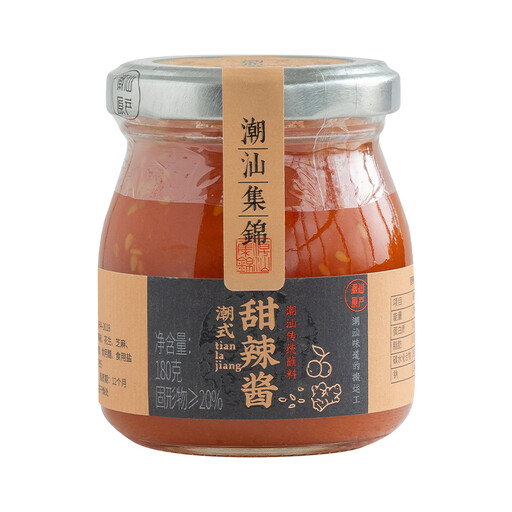
Why This Fits Their Persona: The 180g size is practical for shoppers trying a regional Chinese chilli sauce without committing to a large bottle. Its sweet, mildly savoury heat suits dumplings, spring rolls and seafood.
The product description identifies it as a mild, balanced sauce rather than implying an undefined extreme heat level. Its smaller quantity also reduces the risk of unused sauce.
Suitable for dipping and glazing; can also be used as a base for stir-fry sauces. Ready to eat and refrigerate after opening.
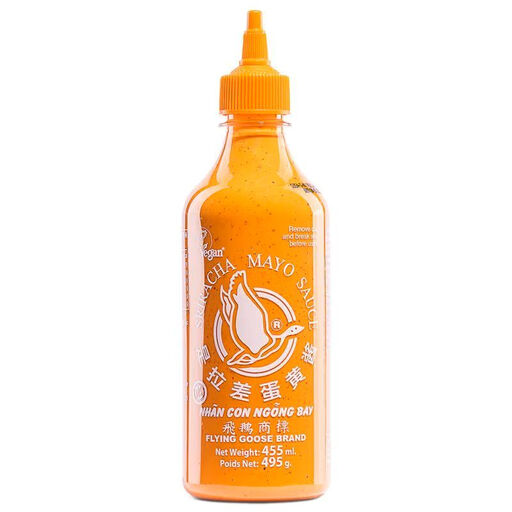
Why This Fits Their Persona: This creamy sriracha mayo is suited to shoppers who want one ready-to-use sauce for burgers, chips, sushi, salads, rice bowls and grilled food.
Its creamy texture and ready-to-use format are clearly described, so shoppers are not relying on vague claims about versatility. The label identifies egg and mustard allergens.
Smooth consistency for drizzling, dipping or mixing; 455ml quantity for regular household use.
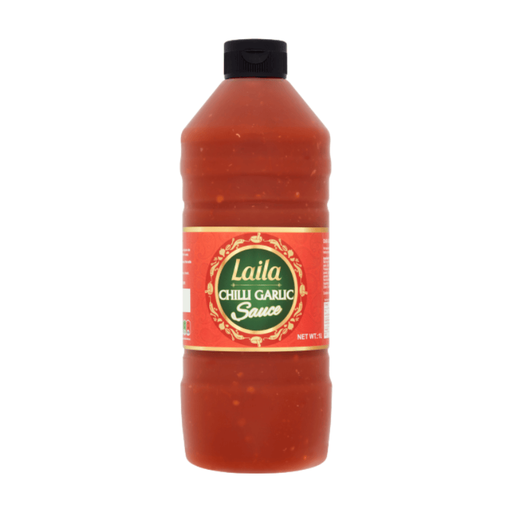
Why This Fits Their Persona: The 1-litre format is suited to frequent cooks, shared households and anyone using garlic chilli sauce in soups, stir-fries, snacks and marinades.
The large size makes sense only for regular users, while the listed 5% red hot chilli peppers and garlic provide clearer context than a generic “spicy” label.
No declared allergens in the supplied ingredients; suitable for dipping, soups, meats and chilli sauce for stir-fries.
We have compiled a complete, real-time list of products that fully satisfy these strict selection criteria and UK safety regulations.
Yes. Choose a sauce with garlic, vinegar or savoury seasoning rather than a very sweet dipping sauce. Add a small amount near the end of cooking, then adjust with water, stock or soy sauce if needed.
It varies by product. Many bottles should be refrigerated after opening and used within several weeks or months. Check the label, keep the cap clean and tightly closed, and discard the sauce if its appearance, smell or texture changes.
Check both the ingredients and allergen statement. Traditional sweet chilli, garlic chilli and some hot pepper sauces may be suitable, but mayonnaise-style products can contain egg. A product described as vegan may still contain soybeans or mustard, so read the packaging before purchase.