
24/7 Customer Support

Free returns

Same-day & Next-day Delivery

Quality Guaranteed

Unlock Your Welcome Offers: FREE Delivery | Up to 80% OFF | Free 30-day JoyPlus trial
Download the APP
A good chilli sauce can transform a simple meal into something memorable. Yet, the sheer variety on offer can be overwhelming. Walk down any international food aisle and you're met with a wall of jars and bottles, all promising authentic flavour and the perfect level of heat. Many UK home cooks, eager to recreate their favourite Asian dishes, end up with a cupboard full of half-used sauces that didn't quite hit the mark.
The problem often lies in a few common purchasing pitfalls. A sauce labelled "hot" might deliver a sharp, vinegary burn with little else, while an "all-purpose" condiment can taste generic, failing to capture the unique profile of a specific cuisine. Another frequent issue is the reliance on excessive sugar to create a "sweet and spicy" flavour, which can overwhelm the subtle, aromatic notes of the chillies and spices. This guide will help you navigate the options and find the right spicy sauce for your kitchen.
Before adding a sauce to your basket, it's worth understanding a few core characteristics. Focusing on these will ensure the hot sauce you choose is a versatile and flavourful addition to your pantry, not another disappointment.
The foundation of a chilli sauce dictates its flavour, texture and ideal use. They generally fall into a few key categories:
The consistency of a sauce is a direct clue to its function. A thick, concentrated paste is designed to be diluted in a stir-fry sauce or a hotpot sauce base. A smooth, pourable sauce is ready for dipping or drizzling. A textured chilli oil with visible flakes of chilli, garlic and nuts is meant to be used as a garnish, adding a final layer of flavour and crunch to noodles, rice or dumplings. Mismatching texture and use is a common reason for disappointing results.
Heat is more than just a single sensation. The type of chilli used defines its character—is it a sharp, immediate heat, a slow-building warmth, or the unique numbing tingle (málà) of Sichuan peppercorns? A quality sauce balances this heat with other flavours. Look for ingredients like garlic, ginger, fermented beans or spices on the label. This will tell you if you are getting a one-dimensional extra hot chilli sauce or a complex condiment that adds depth to your cooking.
To help you choose, we've matched some popular options to the home cooks who will appreciate them most.
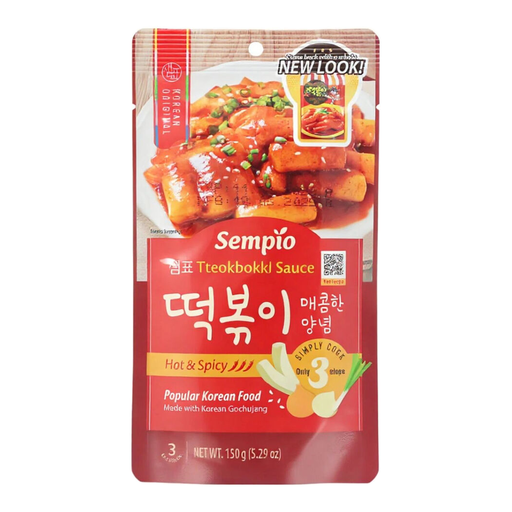
Why This Fits Their Persona: Perfect for anyone wanting to make authentic Tteokbokki (spicy rice cakes) at home without the guesswork. It provides the classic sweet, spicy and savoury flavour of Korean street food in one convenient pouch.
This purpose-built sauce avoids the "generic all-purpose" pitfall by being specifically formulated for one of Korea's most popular dishes, ensuring an authentic taste every time.
Ready-to-use convenience; delivers the iconic sweet and spicy sauce profile required for authentic Tteokbokki.
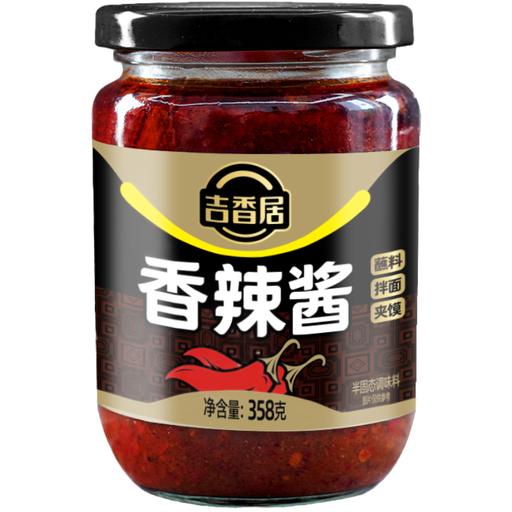
Why This Fits Their Persona: An excellent pantry staple for those who frequently cook Chinese-inspired dishes. Its rich, savoury profile is perfect for adding a quick flavour boost to noodles, rice and vegetable stir-fries.
This sauce avoids being overly sweet by balancing its chilli base (35%) with savoury mustard (27%) and broad beans, creating a complex flavour rather than a simple sugary heat.
A versatile Chinese chilli sauce with a fragrant, savoury taste. Ideal as a stir-fry sauce or a simple condiment for rice.
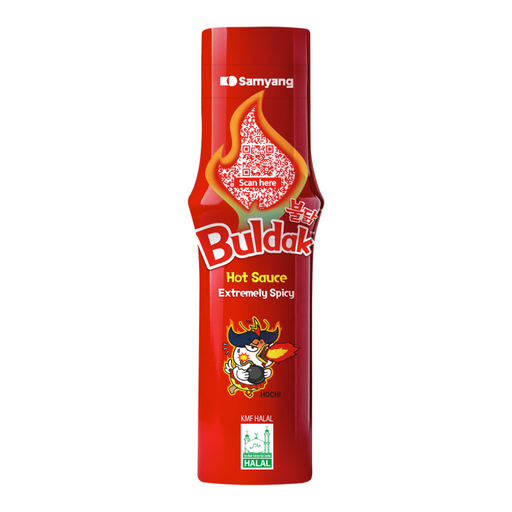
Why This Fits Their Persona: For the adventurous eater who craves genuine, intense heat. This sauce captures the fiery flavour of the famous Buldak noodles, offering a powerful and distinctive spiciness that few others can match.
It sidesteps the "misleading heat" trap entirely. The Buldak name is a reliable indicator of extreme spice, delivering a complex, savoury heat rather than a simple, sharp burn.
An authentic Korean chilli sauce that provides an exceptionally high heat level combined with a savoury chicken flavour. A true extra hot chilli sauce.
We have compiled a complete, real-time list of products that fully satisfy these strict selection criteria and UK safety regulations.
While both are popular red chilli condiments, they are very different. Gochujang is a thick, fermented Korean chilli sauce paste made from chilli powder, glutinous rice, fermented soybeans and salt. It has a deep, savoury and slightly sweet umami flavour and is primarily used as an ingredient in cooking stews, soups and marinades. Sriracha is a thinner, unfermented sauce of Thai origin, made from chilli paste, vinegar, garlic, sugar and salt. It's tangier and used more as a finishing sauce or condiment.
Most shelf-stable chilli sauces should be stored in a cool, dark place like a pantry before opening. Once opened, it is almost always advisable to refrigerate them to preserve their flavour and prevent spoilage. This is especially true for sauces containing fresh ingredients like garlic or oils, which can go rancid. Always check the storage instructions on the packaging.
Absolutely. A good quality hotpot sauce is incredibly versatile. Its savoury, often nutty and spicy profile makes it an excellent spicy dipping sauce for dumplings, spring rolls or grilled meats. You can also thin it with a little water or stock to create a quick noodle sauce, or use it as a flavour base for a simple spicy marinade.