
24/7 Customer Support

Free returns

Same-day & Next-day Delivery

Quality Guaranteed

Unlock Your Welcome Offers: FREE Delivery | Up to 80% OFF | Free 30-day JoyPlus trial
Download the APP
Navigating the world of chilli sauce can feel like a journey through a minefield of marketing claims. With shelves and online stores packed with everything from fiery extracts to complex pastes, it's easy to end up with a bottle that disappoints. As a Product Recommendation Officer, my role is to help you see past the hype and choose a condiment that genuinely enhances your meals. Let's look at the common pitfalls and what really matters when selecting your next bottle of heat.
Many of us have been there: you buy a promising-looking bottle, only to find it gathers dust in the cupboard. This often happens because of a few recurring issues that are simple to avoid once you know what to look for.
To ensure you get a quality product that suits your needs, focus on these three core parameters instead of just the heat level.
The foundation of a chilli sauce dictates its texture, flavour and best use. Understanding the type is crucial.
Think about how you plan to use the sauce. A thin, pourable sauce is great for tacos and eggs, but it won't work as a thick glaze for grilled chicken. A thick chilli paste is essential for cooking but can be too intense to use as a simple dipping sauce. Check if the product is described as a finishing sauce, a marinade, a cooking paste or a hot pot dipping sauce to ensure it matches your culinary plans.
Heat is only one part of the equation. A quality sauce will have a distinct flavour profile. Look for descriptions that mention:
Based on these practical criteria, here are a few recommendations matched to different tastes and uses.
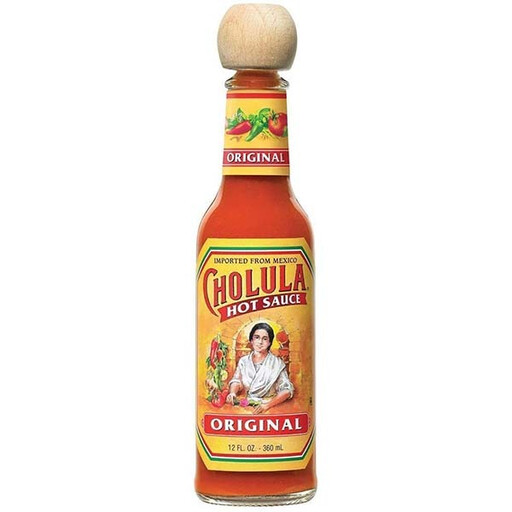
Why This Fits Their Persona: Perfect for someone who wants to add flavour, not just fire, to daily meals like eggs, pizza and tacos. It's a versatile table sauce that complements food without overpowering it.
This sauce sidesteps the "extreme heat" trap by focusing on the distinctive, savoury flavour of arbol and piquin peppers, offering a mild, enjoyable warmth rather than a harsh burn.
Its key advantage is its balance. The vinegar base provides a pleasant tang that enhances food, making it an incredibly versatile condiment for almost any cuisine.
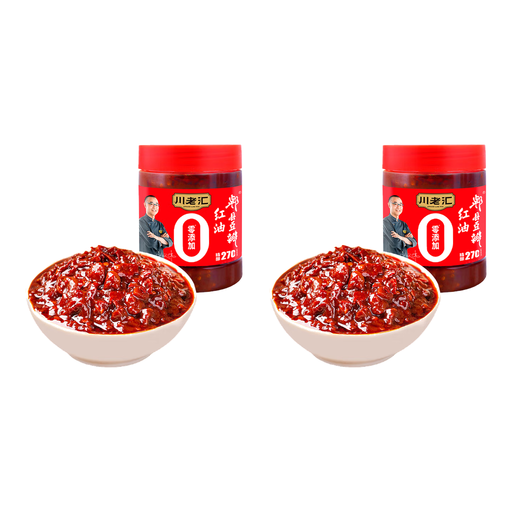
Why This Fits Their Persona: For the home cook dedicated to recreating authentic Sichuan dishes like Mapo Tofu or Dan Dan Noodles. This is a foundational cooking ingredient, not a table sauce.
This product avoids the "misleading authenticity" trap by being a genuine doubanjiang. Its core ingredients are chilli (45%) and broad bean (25%), which are essential for the deep, savoury flavour of Sichuan cuisine.
Its traditional fermentation process provides an irreplaceable rich, mellow and salty umami flavour that a simple chilli sauce cannot replicate. It is a versatile cooking paste for stir-frying and braising.
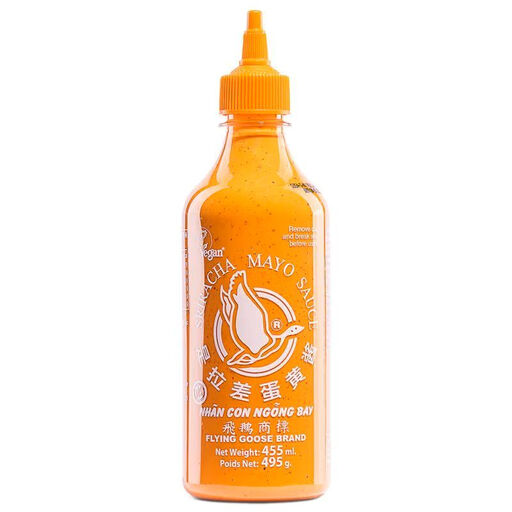
Why This Fits Their Persona: This is for the person who loves putting spicy mayo on everything from chips and burgers to sushi. It offers the perfect blend of creamy and spicy in one convenient bottle.
It avoids the filler trap by offering a balanced, ready-to-use sauce. Instead of mixing a sugary sriracha with mayo, this product provides a consistent flavour profile where the creamy mayonnaise is perfectly cut by the garlicky heat.
The primary advantage is convenience and balance. It's a versatile, ready-to-use condiment that works as a dip, drizzle or spread, saving you time and effort in the kitchen.
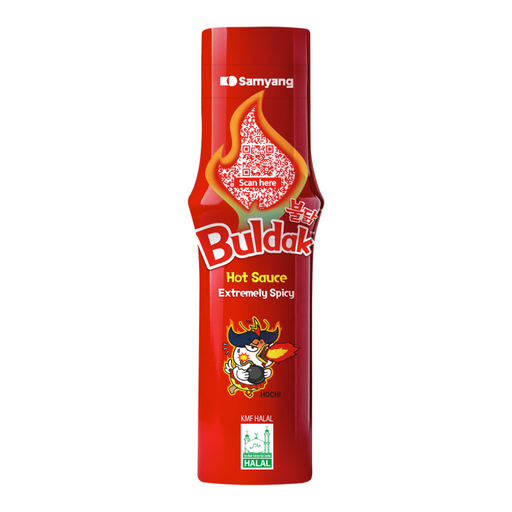
Why This Fits Their Persona: For those who crave serious, extra hot sauce but are tired of products that are all burn and no flavour. This sauce delivers the famous fiery kick of Buldak noodles with a complex, savoury taste.
While labelled "Extremely Spicy," it masterfully avoids the one-note heat trap. The flavour profile is built on soy sauce, garlic, onion and a distinct chicken flavouring, providing a savoury and slightly sweet experience alongside the intense heat.
It successfully translates the cult-favourite noodle flavour into a versatile sauce. It's perfect for adding a powerful and tasty kick to fried chicken, noodles or rice dishes.
We have compiled a complete, real-time list of products that fully satisfy these strict selection criteria and UK safety regulations.
The main differences are texture and primary use. Chilli sauce (or hot sauce) is typically a liquid condiment, often vinegar-based, used for finishing dishes. Chilli paste is a thick, concentrated product made from ground chillies and other ingredients (sometimes fermented), used as a flavour base in cooking. Chilli oil is an infused oil that adds flavour, aroma and a rich mouthfeel, often used as a dressing or dip.
Most commercially produced chilli sauces are high in acid (from vinegar) and salt, which act as preservatives. Once opened, they should be refrigerated. A vinegar-based hot sauce can last for many months, while creamy sauces like spicy mayo or oil-based condiments should be consumed more quickly, typically within 8 weeks, to maintain their quality and flavour. Always check the label for specific storage instructions.