
24/7 Customer Support

Free returns

Same-day & Next-day Delivery

Quality Guaranteed

Unlock Your Welcome Offers: FREE Delivery | Up to 80% OFF | Free 30-day JoyPlus trial
Download the APP
Hello, I'm the Joybuy Product Recommendation Officer. My role is to help you navigate the crowded shelves and find products that genuinely deliver on their promise. Today, we're diving into the world of chilli sauce, a pantry staple that can transform a meal from bland to brilliant.
However, the sheer variety can be overwhelming. It's easy to end up with a bottle that's all fire and no flavour, or a condiment that’s completely wrong for your recipe. Let's look at the common pitfalls to avoid when buying spicy condiments.
To make a confident choice, you need to understand a few core parameters. This isn't about complicated science; it's about matching the product's characteristics to what you want to cook and eat.
The physical form of the product is the first clue to its intended use. They generally fall into these categories:
Beyond the heat, what does it taste of? The base ingredients are key.
We've selected a few products that stand out for their clear purpose and quality ingredients, matching them to different needs and cooking styles.
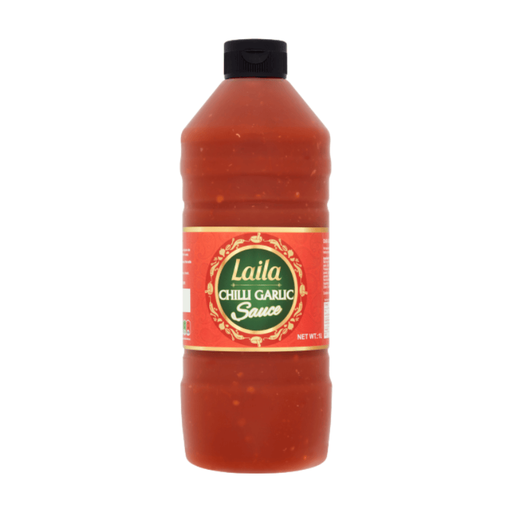
Why This Fits Their Persona: For the household that gets through a lot of sauce, this large-format bottle offers great value. It's a versatile, multi-purpose chilli garlic sauce that works as a dip for snacks, a spread in sandwiches or an ingredient in simple stir-fries.
It sidesteps the "heat over flavour" pitfall by balancing chilli with a distinct garlic and tomato base, providing a savoury taste rather than just a burn. It's clearly a sauce, not a niche paste, avoiding format confusion.
Excellent value in a 1-litre bottle. Its balanced, savoury flavour makes it a highly versatile condiment for everyday use.
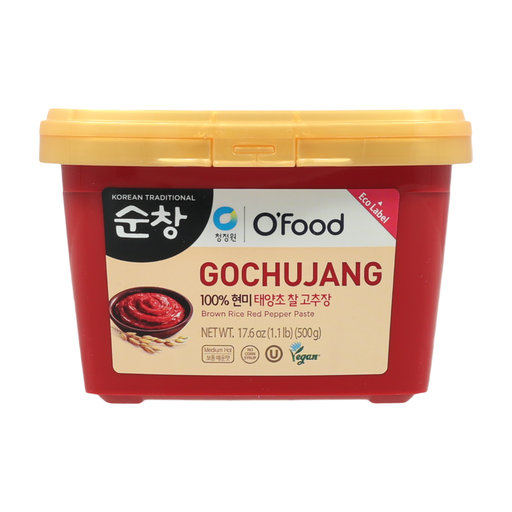
Why This Fits Their Persona: For the home cook dedicated to recreating authentic world food sauces, this is a non-negotiable pantry staple. This Korean chilli paste is essential for dishes like bibimbap, tteokbokki (spicy rice cakes) and rich, savoury stews.
This product directly solves the problem of using the wrong format. It is not a generic hot sauce; it is a thick, fermented chilli paste with a unique umami depth that cannot be substituted if you want an authentic Korean flavour.
Provides an authentic, deep and savoury fermented flavour. Its thick consistency is specifically designed for use as a cooking base in stews and marinades.
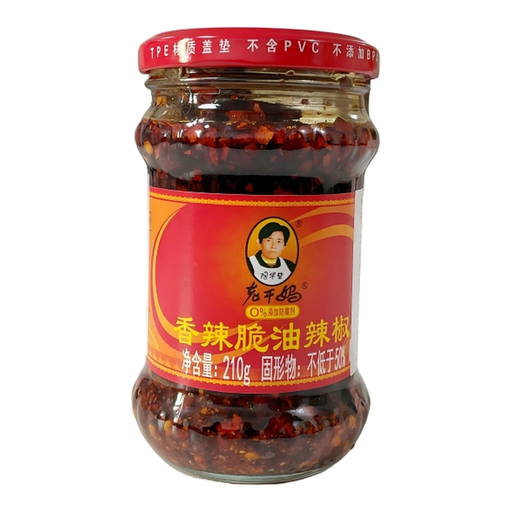
Why This Fits Their Persona: If you're looking for more than just heat, this iconic chilli crisp is for you. It's a condiment focused on texture and savoury flavour, perfect for spooning over noodles, rice, eggs and even pizza to add a crunchy, aromatic and moderately spicy kick.
This product is the antidote to one-dimensional heat. Its value lies in the crunchy texture of the chilli flakes and peanuts, and the deeply savoury flavour of the infused chilli oil. It highlights the importance of choosing the right format for the job—this is a finishing condiment, not a cooking sauce.
Adds a unique crunchy texture to dishes. The aromatic oil provides a rich, savoury and complex flavour that goes beyond simple spiciness.
We have compiled a complete, real-time list of products that fully satisfy these strict selection criteria and UK safety regulations.
The main differences are consistency and intended use. Chilli sauce (like sriracha or a typical hot sauce) is generally a liquid condiment for drizzling on finished food. Chilli paste (like gochujang or sambal) is a thick, concentrated product used as a flavour base during cooking. Chilli oil is an infusion of chillies in oil, often with crunchy bits, used as a finishing condiment to add flavour, texture and richness.
Most commercially produced chilli sauces, pastes and oils are shelf-stable when unopened and should be stored in a cool, dry place. After opening, it is almost always recommended to refrigerate them. This slows down spoilage and helps preserve the flavour, colour and potency of the product. Always check the storage instructions on the label.
Yes, but you will need to adjust the quantity. Chilli powder is concentrated and dehydrated, so you need much less of it than fresh chillies. A general guideline is to start with about a quarter-teaspoon of powder for every one fresh chilli called for in a recipe, then adjust to your taste. Also, be aware that powders can have a different, often earthier or smokier, flavour profile than fresh chillies.