
24/7 Customer Support

Free returns

Same-day & Next-day Delivery

Quality Guaranteed

Unlock Your Welcome Offers: FREE Delivery | Up to 80% OFF | Free 30-day JoyPlus trial
Download the APP
From a subtle warmth to a fiery kick, the right chilli sauce can transform a meal. Yet, navigating the crowded shelves in the UK can be a challenge. With countless bottles promising "authentic flavour" or "extreme heat," it's easy to end up with a condiment that disappoints. As a Product Recommendation Officer, my role is to help you see past the marketing and choose a product that genuinely suits your cooking style and palate.
Many shoppers fall into a few common traps. Firstly, the "authentic" label is often used loosely on generic sauces that lack the specific flavour profile of the cuisine they claim to represent. Secondly, the pursuit of pure heat means many products, especially some labelled extra hot sauce, deliver a one-dimensional burn with no complexity. Finally, there's widespread confusion between the different formats—a thin hot sauce is not a substitute for a thick chilli paste in a recipe, and using the wrong one can lead to culinary mishaps.
To avoid these pitfalls, it helps to understand what you're looking for. Focussing on a few core parameters will ensure you get a product that enhances your food, rather than overpowering it.
The format of a chilli product dictates its primary use. Ignoring this is a common mistake that leads to disappointing results in the kitchen.
The ingredients list is your best guide to a sauce's character. Look beyond the chilli to see what else is contributing to the taste.
Don't just look for a "hot" or "mild" rating. The type of chilli used defines the nature of the heat. Arbol and Piquin peppers, found in Cholula, offer a sharp but quick-fading warmth. In contrast, the Carolina Reaper, used in some extra hot sauce products, provides an intense, lingering burn. Understanding the pepper helps you anticipate whether the heat will be a gentle warmth or a fiery challenge.
To help you find a starting point, we've matched a few distinct products to different user needs, explaining how they avoid the common purchasing traps.
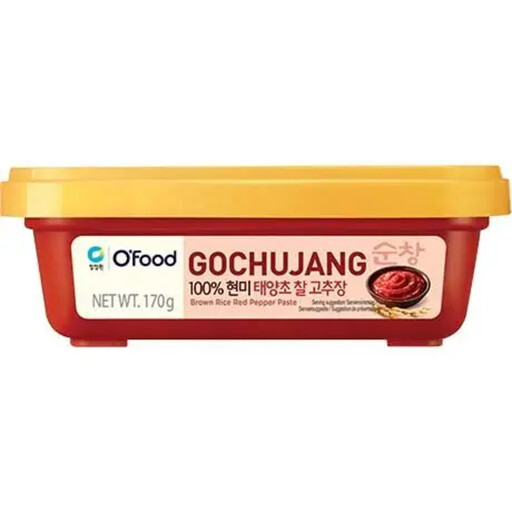
Why This Fits Their Persona: For anyone serious about cooking Korean dishes like bibimbap or tteokbokki, a generic hot sauce won't do. This is the foundational Korean spicy sauce, providing the essential sweet, savoury and spicy flavour profile that defines the cuisine.
It sidesteps the "authentic" label trap by being the genuine article—a fermented chilli paste. Its thick texture is correct for Korean recipes, avoiding the format mismatch pitfall.
Delivers a complex, umami-rich flavour from fermented soybeans, not just heat. It's a versatile cooking base for marinades, stews and sauces.
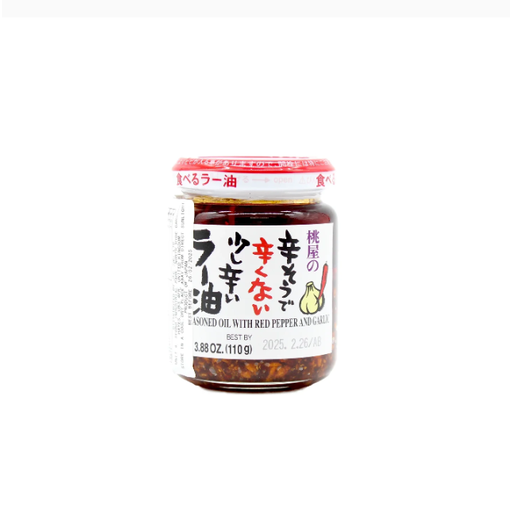
Why This Fits Their Persona: This user prioritises flavour complexity and texture over raw heat. This Japanese-style 'eating' chilli oil is packed with crispy fried garlic and onion, delivering a savoury crunch and deep umami that elevates simple dishes like rice, noodles and dumplings.
It directly counters the "heat over flavour" pitfall. The focus here is on the addictive crunchy texture and savoury taste from the garlic, onion and sesame oil, with a mild, approachable heat.
The crunchy texture is its standout feature. It's an "all-in-one" condiment that adds heat, flavour and texture in a single spoonful.

Why This Fits Their Persona: This is for the spice enthusiast who is specifically looking for an extra hot sauce challenge. Made with 21% Carolina Reaper chillies, it's designed for those who appreciate and can handle extreme levels of heat.
This sauce is transparent about its purpose. It doesn't pretend to be a complex cooking paste; it is marketed honestly as an extremely hot condiment, managing user expectations perfectly.
Delivers on its promise of intense heat from one of the world's hottest peppers. The packaging includes clear warnings, ensuring it's used appropriately and sparingly.
We have compiled a complete, real-time list of products that fully satisfy these strict selection criteria and UK safety regulations.
The main difference lies in their base and texture. Chilli sauce is typically a pourable liquid, often vinegar or water-based, used as a condiment. Chilli paste is a thick, concentrated blend of chillies and other ingredients, designed as a flavour base for cooking. Chilli oil is an infusion of chillies in oil, often with crunchy bits, used as a finishing topping for texture and flavour.
This varies, but most manufacturers recommend refrigerating after opening and consuming within a specific timeframe, usually between 4 weeks and a few months. Vinegar-based sauces tend to last longer than oil-based or creamy ones. Always check the label for specific storage instructions to maintain quality and safety.
While you can, the results may not be what you expect. Many Asian cuisines rely on specific fermented pastes like gochujang or aromatic oils like Chinese chilli crisp for their signature flavour. Using a generic, vinegar-forward hot sauce in a recipe that calls for a savoury, umami-rich paste will significantly alter the dish's intended taste and authenticity. It's always better to use the format specified in the recipe.