
24/7 Customer Support

Free returns

Same-day & Next-day Delivery

Quality Guaranteed

Unlock Your Welcome Offers: FREE Delivery | Up to 80% OFF | Free 30-day JoyPlus trial
Download the APP
From a fiery dash in a stir-fry to a rich dollop on a taco, the right spicy condiment can transform a meal. Yet, the world of chilli sauces and pastes is vast and often confusing. Navigating supermarket aisles and online stores can feel like a gamble, with many products promising authentic flavour but delivering disappointment. As the Joybuy Product Recommendation Officer, my role is to help you see past the marketing clutter and choose with confidence.
Many of us have been caught out by a few common pitfalls. You might buy a "hot sauce" that's overwhelmingly sweet, a "versatile" paste that only works for one dish, or a dip that separates into an oily mess. Let's look at the frequent traps to avoid:
To make a smart purchase, focus on a few core parameters rather than just the brand name or flashy packaging. Understanding these will ensure you get a product that delivers on flavour, texture and versatility.
The foundation of a sauce dictates its best use. Recognising the base ingredient is the first step to matching a sauce to your culinary needs.
The type of chilli used is the most significant factor for both heat and flavour. A Carolina Reaper delivers a blistering, fruity heat, while a jalape?o offers a milder, greener spice.
Check the ingredients list for the percentage of chilli. A higher percentage usually indicates a more robust and authentic flavour. Also, look for the specific type of chilli mentioned. This gives you a much better indication of the heat level and flavour profile (e.g., smoky chipotle, fruity habanero) than a simple "hot" or "mild" rating. This is crucial when selecting from the wide array of world food spices and spicy condiments available.
Always scan the full ingredient list. Pay attention to:
Based on these practical criteria, here are a few products suited to different needs and preferences.
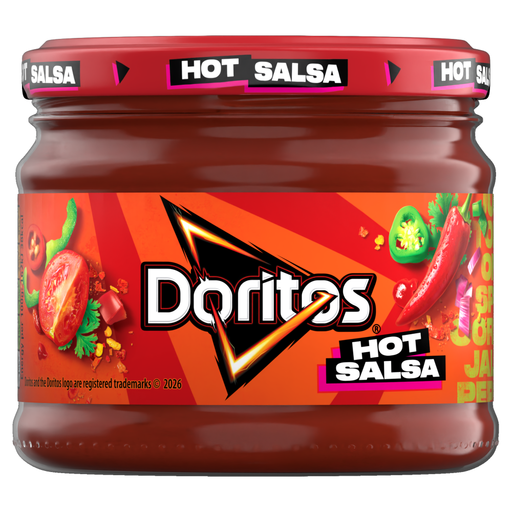
Why This Fits Their Persona: This is a reliable, crowd-pleasing choice for movie nights or having friends over. It's designed specifically for dipping with tortilla chips and offers a familiar, tangy flavour with a manageable jalape?o kick that won't scare off guests.
It avoids being a "one-trick condiment" by serving as a classic salsa dip that can also be used as a simple topping for tacos or nachos, making it useful beyond just the chip bowl.
Made with a tomato base (49% purée, 19% chopped), providing a satisfying texture. The heat source is clearly identified as jalape?o peppers (3%).
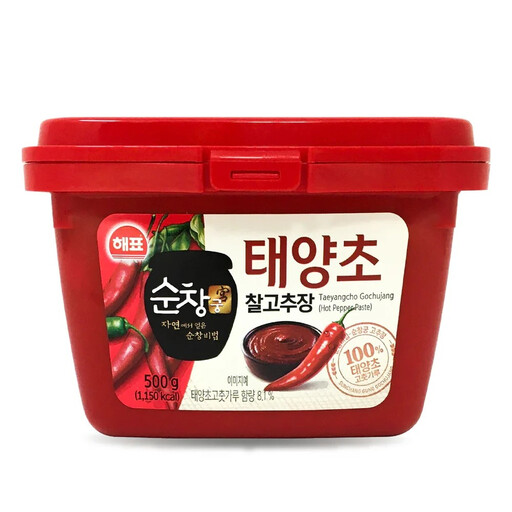
Why This Fits Their Persona: For those looking to recreate authentic Korean dishes like tteokbokki or bibimbap, this gochujang is a pantry essential. It provides the unique sweet, savoury and spicy flavour that is the hallmark of Korean cooking.
It sidesteps the "misleading heat" trap. While it contains red pepper, its primary function is to provide a deep, fermented umami flavour, not just raw spice. It is a complex cooking paste, not a simple hot sauce.
This is a foundational ingredient, not just a condiment. Its thick, paste-like consistency is designed for integrating into stews, marinades and sauces.
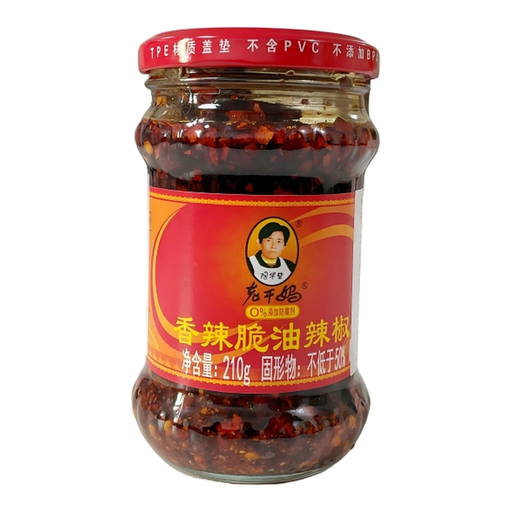
Why This Fits Their Persona: This iconic chilli crisp is for the person who wants to add instant flavour and texture to almost anything. It's perfect for spooning over noodles, fried eggs, rice or even avocado toast for a savoury, crunchy and moderately spicy kick.
This is the opposite of a "one-trick condiment." Its unique oil-and-crisp texture makes it a highly versatile pantry staple that functions as a topping, a mix-in for sauces and a cooking ingredient.
Delivers a complex flavour profile from chilli flakes, fermented soybeans and Sichuan pepper. The crunchy texture is its defining feature, setting it apart from smooth sauces.
We have compiled a complete, real-time list of products that fully satisfy these strict selection criteria and UK safety regulations.
1. How long do chilli sauces and pastes last once opened? This varies significantly by type. As a general rule, high-acidity, vinegar-based hot sauces can last for many months in the refrigerator. Oil-based products like chilli crisp should also be refrigerated and are typically good for several weeks to a couple of months. Fermented pastes like gochujang are quite stable but should be refrigerated to maintain their quality. Always refer to the storage instructions on the product's label for specific guidance.
2. Can I use a dipping sauce for cooking? It depends on the sauce. A simple tomato-based salsa can work as a starter for a dish like chilli con carne. However, many dipping sauces contain thickeners like modified starch that may not react well to prolonged heat, potentially affecting the texture of your dish. For stir-fries, marinades and stews, it is usually better to use dedicated cooking pastes or sauces formulated to withstand heat.
3. What is the difference between chilli powder and crushed chillies?Crushed chillies, also known as chilli flakes, are made from dried, crushed peppers and usually include the seeds and pith. This gives them a coarser texture and provides sharp bursts of heat. Chilli powder is a much finer grind of the dried chilli pod, resulting in a powder that integrates smoothly into liquids and rubs. It provides a more uniform, dispersed heat throughout a dish.