
24/7 Customer Support

Free returns

Same-day & Next-day Delivery

Quality Guaranteed

Unlock Your Welcome Offers: FREE Delivery | Up to 80% OFF | Free 30-day JoyPlus trial
Download the APP
For the adventurous home cook in the UK, the world of chilli sauces & spices is a thrilling landscape of flavour. From the smoky depth of a Mexican hot sauce to the numbing tingle of a Sichuan chilli oil, the right condiment can transform a simple meal into something truly memorable. Yet, the expanding aisles can also be a source of confusion and wasted money. A promising bottle might deliver nothing but one-dimensional heat, or an "authentic" paste might fall flat in your carefully planned recipe.
As the Joybuy Product Recommendation Officer, my role is to help you navigate this market. We will look past the flashy labels and focus on what truly matters, ensuring your next purchase adds genuine flavour and value to your cooking. Here are the common pitfalls to be aware of.
To avoid these traps, focus on a few core parameters. This will help you select the right product for your specific culinary needs, whether you're making a curry, dressing a taco or looking for the perfect cooking seasonings.
The physical form of a chilli product dictates its primary use in the kitchen.
The ingredient list is your most reliable guide to a product's flavour profile. Look beyond the word "chilli" and ask:
By paying attention to these details, you can find the Asian spices and condiments that deliver the authentic, multi-dimensional flavours you seek.
Instead of a generic list, we have matched some noteworthy products to the cooks who will appreciate them most.
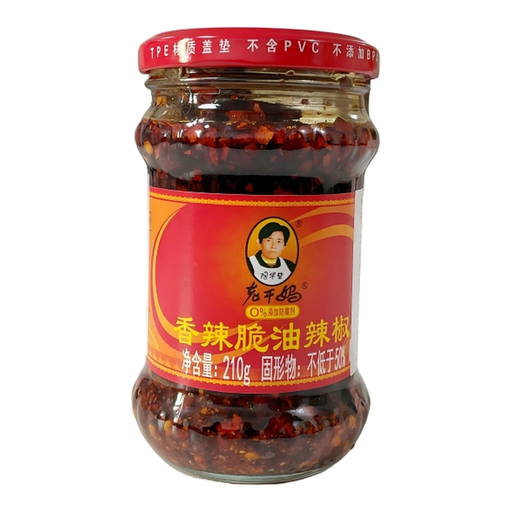
Why This Fits Their Persona: This iconic chilli oil is a must-have for anyone serious about exploring Chinese cuisine. It is a finishing condiment that adds a crunchy texture and a deep, savoury flavour from fermented soybeans, perfect for elevating noodles, dumplings, eggs or even a simple bowl of rice.
It sidesteps the "one-dimensional heat" trap by delivering a complex experience of texture (crispy chilli, peanuts) and savoury umami, not just spice. It is a clear example of a well-defined chilli oil.
Its unique crispy texture is its standout feature. It is incredibly versatile, acting as an instant flavour and texture booster for countless dishes.
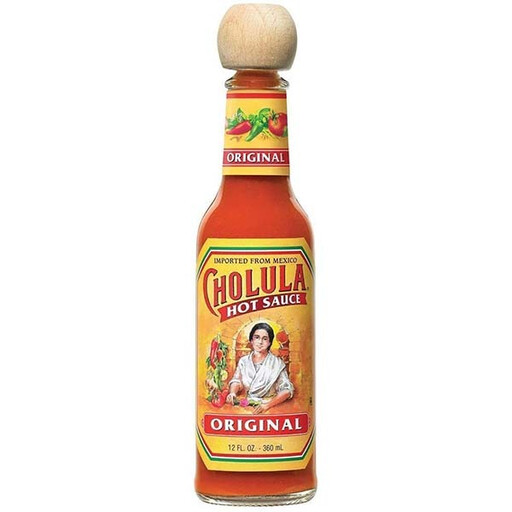
Why This Fits Their Persona: For the person who wants one reliable hot sauce for everything from avocado toast to pizza, Cholula is a solid choice. It is celebrated for its balanced flavour, derived from arbol and piquin peppers, which enhances food without overwhelming it with heat.
This sauce is the antithesis of the "raw heat" trap, prioritising a savoury, peppery flavour over pure fire. Its identity as a classic, pourable hot sauce is clear, avoiding any form-factor confusion.
Its well-rounded flavour and mild-to-medium heat make it exceptionally versatile and approachable. The iconic wooden cap and bottle look great on any dining table.
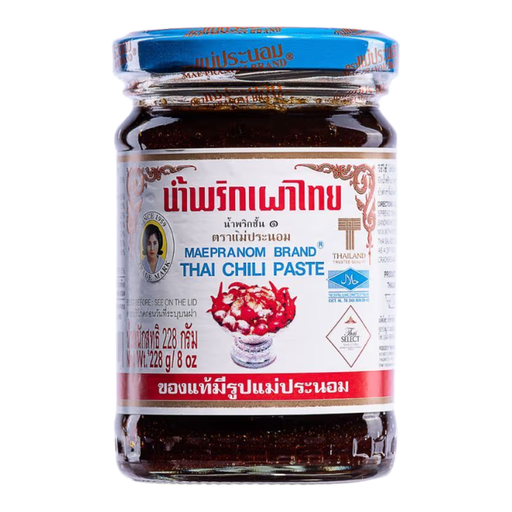
Why This Fits Their Persona: This is a foundational chilli paste (nam prik pao) for anyone wanting to cook authentic Thai food. It is not a table sauce but a rich, aromatic cooking ingredient essential for dishes like Tom Yum soup, spicy stir-fries and marinades.
It avoids the "authentic flavour" illusion by using a traditional blend of chilli, garlic, shallot, galangal and shrimp paste. Its role as a cooking chilli paste is clear, preventing any form-factor mix-ups.
It provides the authentic, complex and aromatic flavour base required for a wide range of Thai recipes. The paste is concentrated, meaning a single jar lasts a long time.
We have compiled a complete, real-time list of products that fully satisfy these strict selection criteria and UK safety regulations.
For most products, a cool, dark cupboard is sufficient before opening. Once opened, it is generally a good practice to refrigerate them. This is especially important for chilli oils and sauces with lower vinegar or salt content, as refrigeration slows down the process of oils going rancid and helps preserve the fresh, vibrant flavours of the aromatics. Always check the storage instructions on the label for specific guidance.
The main difference is texture and application. Chilli powder is finely ground from dried chillies. Its fine consistency allows it to dissolve and blend seamlessly into dishes, making it ideal for creating a uniform heat and colour in curries, sauces and marinades. Chilli flakes, on the other hand, are coarsely crushed dried chillies, often including the seeds. They provide a more rustic texture and visible pops of colour and heat, making them an excellent topping for pizza, pasta or for infusing oils.
No, it is quite distinct. While gochujang is a Korean chilli paste, its unique character comes from fermentation. It is traditionally made with chilli powder, glutinous rice, fermented soybean powder and salt. This process gives it a complex flavour profile that is simultaneously sweet, savoury and spicy with a deep umami note that sets it apart from other pastes like sambal, which is typically made with fresh or dried chillies and other ingredients like garlic, shallots and lime juice, and is not fermented.