
24/7 Customer Support

Free returns

Same-day & Next-day Delivery

Quality Guaranteed

Unlock Your Welcome Offers: FREE Delivery | Up to 80% OFF | Free 30-day JoyPlus trial
Download the APP
As UK home cooks increasingly explore global cuisines, the demand for authentic chilli sauces & spices has surged. Yet, navigating the crowded market can be confusing. Many products promise authentic heat and flavour but fall short, leading to disappointing meals and wasted money. The key is to look beyond the marketing and understand what truly makes a chilli product fit for purpose.
Before you add another jar to your basket, let's look at the common pitfalls that prevent you from getting the flavour you're after.
To choose wisely, it helps to break down chilli products into three key parameters. Focusing on these will ensure your spicy pantry staples are both authentic and versatile.
The physical form of the chilli dictates its primary use in the kitchen.
Heat is only part of the story. The origin and preparation of the chilli create distinct flavour profiles essential for different cuisines.
Always read the label. For condiments like chilli crisp, the ingredients reveal its quality.
Based on these practical criteria, here are a few recommendations matched to different cooking styles and needs.
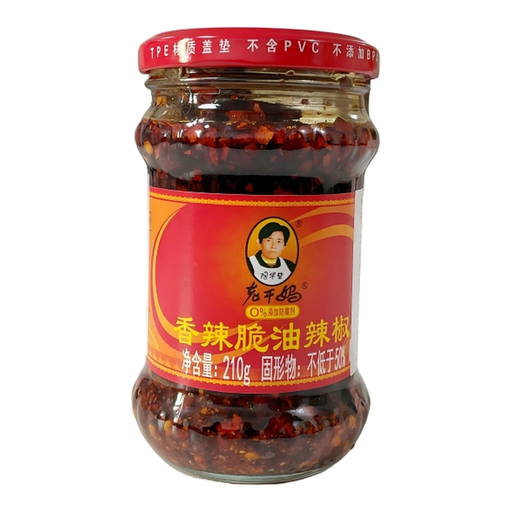
Why This Fits Their Persona: For the home cook dedicated to recreating genuine Chinese dishes like Mapo Tofu or Dan Dan Noodles, this is a non-negotiable pantry staple. It provides the foundational savoury, spicy and crunchy base that defines modern Sichuan flavour.
This is the antidote to "crisp-less" chilli oil. It is packed with crunchy fermented soybeans and peanuts, delivering complex umami and texture, not just heat.
Authentic, globally recognised flavour profile. Highly versatile as a condiment for noodles, rice, dumplings and stir-fries.
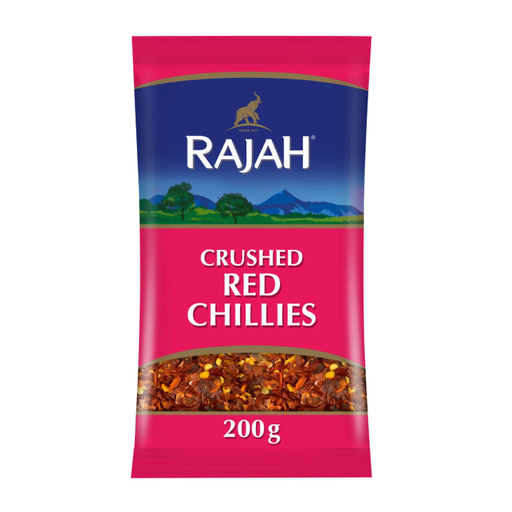
Why This Fits Their Persona: For the cook who needs a reliable, everyday source of heat for a wide range of dishes, from a quick curry to a fiery pasta arrabbiata or simply livening up a takeaway pizza. This is a foundational spice, not a complex condiment.
It avoids the "one-spice-fits-all" mistake by being exactly what it claims: 100% pure crushed chillies. This provides a clean, predictable heat that you can layer with other herbs and spices to build complex flavours yourself.
Pure and simple with no additives. The 200g pack offers great value, and its versatility makes it a true kitchen workhorse.
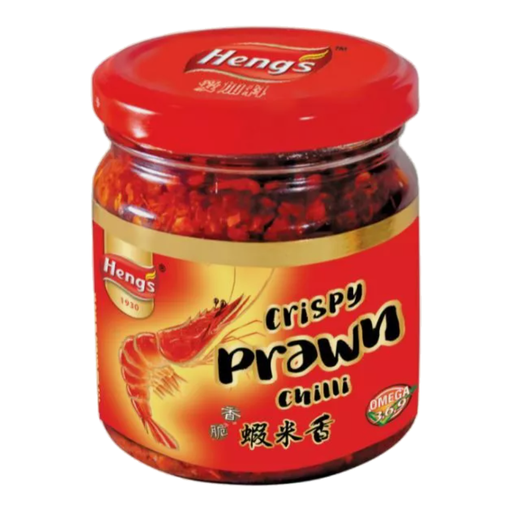
Why This Fits Their Persona: This is for the foodie who loves texture and a deep, savoury flavour. The addition of dried shrimp provides a powerful umami kick that sets it apart from standard chilli crisps, making it an excellent topping for rice, congee or even steamed vegetables.
It sidesteps the "all heat, no flavour" pitfall by prioritising a rich, savoury profile from shallots, garlic and dried shrimp. The heat is present but balanced, serving the overall taste rather than dominating it.
Delivers a unique seafood umami flavour. The crispy texture from the shrimp and shallots adds a delightful crunch to any meal.
We have compiled a complete, real-time list of products that fully satisfy these strict selection criteria and UK safety regulations.
While both are oil-based condiments, the main difference is texture. A standard chilli oil is primarily an infused oil, sometimes with flakes, designed to add aroma and a smooth, spicy finish. A chilli crisp, on the other hand, is packed with fried, crunchy ingredients like garlic, onions, soybeans or peanuts. It is used as a topping to add flavour, heat and a distinct crunchy texture.
For dried chillies and crushed chillies, the key is to keep them away from light, heat and moisture. Store them in an airtight container in a cool, dark cupboard. For opened jars of chilli oil or crisp, it is generally advisable to refrigerate them to preserve the freshness of the oil and the crispness of the solid ingredients. Always use a clean, dry spoon to prevent contamination.
No, and this is a crucial distinction. Sichuan peppercorns are not related to chillies or black peppercorns. They are the dried husks of a berry from the prickly ash tree. They do not produce heat in the same way as chillies. Instead, they create a unique tingling, numbing sensation on the tongue known as málà. This sensation is a hallmark of Sichuan cuisine and is meant to be paired with the heat of chillies.