
24/7 Customer Support

Free returns

Same-day & Next-day Delivery

Quality Guaranteed

Unlock Your Welcome Offers: FREE Delivery | Up to 80% OFF | Free 30-day JoyPlus trial
Download the APP
From a subtle warmth in a weeknight curry to the fiery kick in a weekend takeaway favourite, chilli is a cornerstone of modern British cooking. The supermarket aisles are packed with an ever-growing range of chilli sauces & spices, promising authentic flavours from around the globe. But with so much choice, it's easy to end up with a cupboard full of disappointments.
As the Joybuy Product Recommendation Officer, my role is to help you navigate the market. Many shoppers find themselves caught in common traps, spending money on products that don't deliver. Let's look at the main pitfalls and how to sidestep them.
To make sure you're getting the right product for your culinary adventures, focus on a few core parameters. This isn't about marketing hype; it's about understanding what's actually in the jar or packet.
The physical form of a chilli product dictates how it's best used in cooking.
Look past the front label and read the ingredients list. This is where you'll discover the true flavour profile.
Not all chillies are created equal. While many products use generic "chilli," some specify the type, which has a huge impact on the flavour. For example, if you're making Mapo Tofu, you need the unique numbing heat of Sichuan pepper, a sensation that standard red chillies cannot replicate. Understanding this helps you avoid the "authenticity illusion" and choose the right ingredient for your dish.
Instead of a generic list, we've matched some popular options to the home cooks who will get the most out of them.
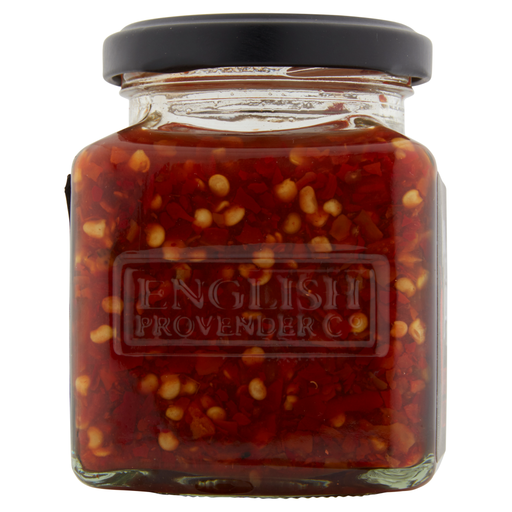
Why This Fits Their Persona: For the home cook who wants to add a quick, spicy kick to stir-fries, pasta sauces or marinades without the hassle of chopping and deseeding fresh chillies. It offers maximum convenience for busy weeknight meals.
It delivers straightforward chilli flavour without pretending to be an exotic, single-origin product. The vinegar base ensures it has a good shelf life in the fridge, avoiding the rapid spoilage trap.
Ready to use straight from the jar. One teaspoon provides a consistent level of heat, equivalent to one chilli.
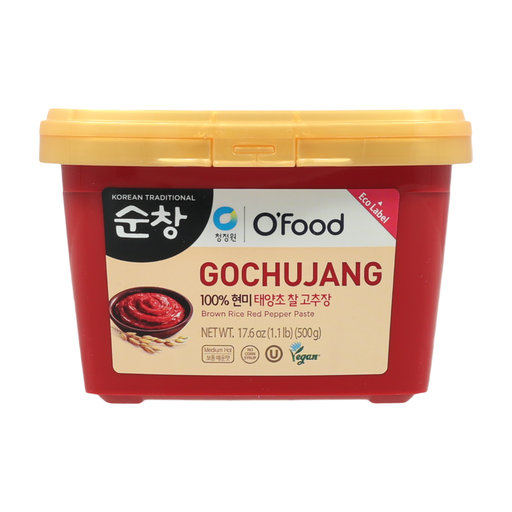
Why This Fits Their Persona: For the adventurous cook looking to recreate authentic Korean dishes like bibimbap, tteokbokki or spicy stews. This is a foundational ingredient for anyone serious about exploring Korean cuisine at home.
This is a true fermented Korean chilli paste, sidestepping the "authenticity illusion" trap. Its flavour is deeply savoury and complex, not just one-dimensionally hot.
Provides an authentic, umami-rich and savoury flavour base. It is highly versatile for use in marinades, dipping sauces and stews.

Why This Fits Their Persona: Perfect for those who love a creamy, spicy kick on everything from chips and burgers to sushi and sandwiches. It's a versatile, modern condiment that caters to multiple dietary needs.
This sauce is all about balanced flavour, not just heat. The creaminess of the mayo tempers the chilli, creating a pleasant warmth rather than an aggressive burn, avoiding the "all heat, no flavour" pitfall.
Offers a creamy texture with a mild-to-medium kick. It is also suitable for vegans and is certified gluten-free.
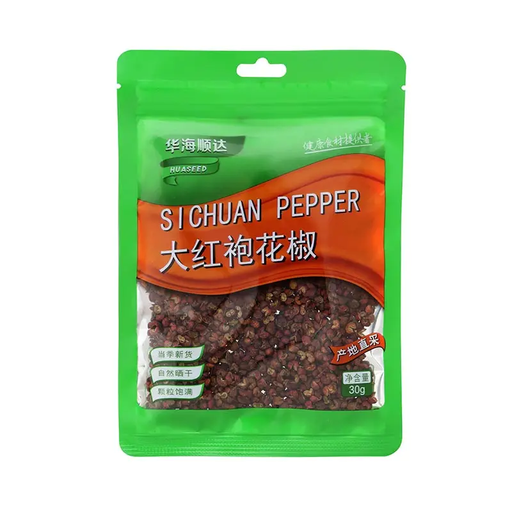
Why This Fits Their Persona: For the cook specifically seeking the authentic "ma-la" (numbing and spicy) flavour profile essential for dishes like Mapo Tofu, Kung Pao Chicken and Sichuan hot pot. This is a non-negotiable ingredient for this cuisine.
This product directly counters the "authenticity illusion" by providing genuine Dahongpao Sichuan pepper granules, not just generic chilli. It delivers the unique numbing sensation that is impossible to replicate with other spices.
Provides the characteristic numbing and aromatic citrus notes of high-quality Sichuan pepper. The granulated form is convenient for infusing oils or adding to spice blends.
We have compiled a complete, real-time list of products that fully satisfy these strict selection criteria and UK safety regulations.
Proper storage is key to preserving flavour and preventing spoilage. Dry spices like chilli powder and crushed chillies should be kept in airtight containers in a cool, dark cupboard away from heat and sunlight. Most sauces and pastes, such as sriracha or gochujang, must be refrigerated after opening to maintain their quality. Always check the product's label for specific storage instructions.
The main difference is texture and how they release heat. Chilli powder is finely ground from dried chillies, so it blends seamlessly into liquids and is excellent for creating a uniform heat in curries, soups and marinades. Crushed chillies, also known as chilli flakes, are coarser and usually contain the seeds. They provide sharp, concentrated bursts of heat and a bit of texture, making them a great topping for pizza, pasta or stir-fries.
If you're just beginning to explore spicy flavours, it's wise to start with something that has a good balance of heat and other elements. A sweet chilli sauce or a creamy sriracha mayo are excellent choices, as the sweetness or creaminess helps to temper the heat. When using a new chilli powder or hot sauce, always start with a small amount. You can easily add more to reach your desired level of spiciness.