
24/7 Customer Support

Free returns

Same-day & Next-day Delivery

Quality Guaranteed

Unlock Your Welcome Offers: FREE Delivery | Up to 80% OFF | Free 30-day JoyPlus trial
Download the APP
Choosing chilli sauces and spices is rarely as simple as picking the hottest-looking jar. A sauce may be sweet rather than fiery, a chilli oil may contain more oil than pepper, and a seasoning labelled “authentic” may not suit the dish you plan to cook. For UK households, the most useful purchase is the one that matches your flavour preference, cooking habits, dietary requirements and storage space.
This guide explains the details worth checking before buying, from Asian chilli sauce and Chinese chilli oil to chilli powder, pickled chillies and dried chilli snacks.
A high chilli percentage does not automatically mean a more enjoyable condiment. Sweet chilli sauce usually combines sugar, vinegar and garlic with a moderate chilli level, making it suitable for dipping and glazing. By contrast, Sichuan-style products may bring fermented, savoury or numbing notes alongside heat.
Look beyond front-of-pack heat language and check:
Chilli products often include ingredients that are easy to miss, particularly soybeans, wheat, peanuts and sesame. Chinese chilli oil may contain fermented soybean or peanuts, while Sichuan chilli seasoning can include sesame.
Always read the current UK packaging, even when an online description says “no allergens”. Manufacturing facilities may also handle fish, shellfish, gluten, soy or nuts. This matters for allergy-aware households and anyone preparing food for guests.
A 500g paste or 730ml sauce can offer useful value if you cook regularly, but it may become wasteful if used only occasionally. After opening, many wet condiments need refrigeration. Dried products require a cool, dry, sealed cupboard to protect their aroma and prevent clumping.
Check the storage instructions, opening guidance and best-before information before selecting a larger pack.
The form of the chilli affects how quickly heat spreads through food:
For a starting point, use a small quantity and adjust after tasting. Heat perception varies considerably between chilli varieties, recipes and individual preferences.
UK food labels list ingredients in descending order by weight. If sugar appears near the beginning of a sauce, expect a noticeably sweet profile. If salt, soy sauce or fermented beans feature prominently, use the product carefully in dishes that already contain stock, seasoning or preserved ingredients.
For example, Mae Ploy Sweet Chilli Sauce 730ml lists sugar first, followed by water, chilli at 16%, garlic and vinegar. It is designed for a gentle sweet-and-spicy balance rather than intense heat. ABC Original Chilli Sauce 335ml includes soy sauce made with soybeans and wheat, so it is not suitable for people avoiding those allergens.
Consider how often you cook spicy food and whether you need a table condiment or a cooking base. A small bottle of cayenne pepper is practical for occasional seasoning, while a larger jar of chilli paste suits frequent stir-fries and marinades.
Vegetarian and vegan shoppers should still check the full ingredient list. Products based on chilli, oil, garlic, sugar and spices may be suitable, but sauces can vary. Avoid relying solely on product imagery or a cuisine description.
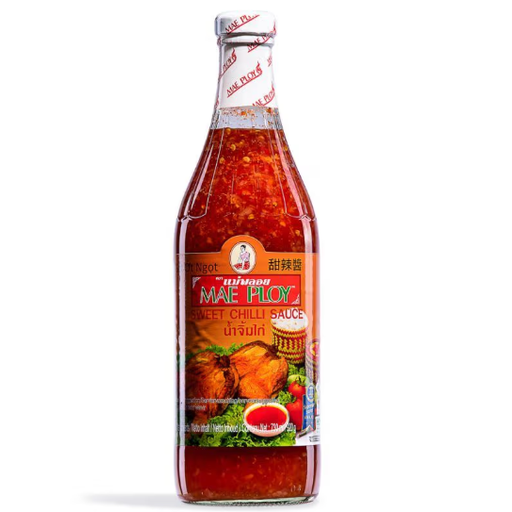
Why This Fits Their Persona: A generous bottle for households that regularly serve spring rolls, grilled foods, stir-fries or dips.
Its listed chilli content and sweet, tangy flavour profile make the expected use clearer than vague heat-led packaging.
730ml quantity; contains chilli, garlic and vinegar; no major allergens listed in the ingredients.

Why This Fits Their Persona: Suits cooks who value layered texture and savoury chilli flavour for noodles, rice, dumplings and congee.
The description identifies the crunchy components and serving ideas, helping buyers distinguish texture from plain chilli oil.
Contains chilli, vegetable oil, peanuts, soybeans and sesame; ready to eat; 280g jar.
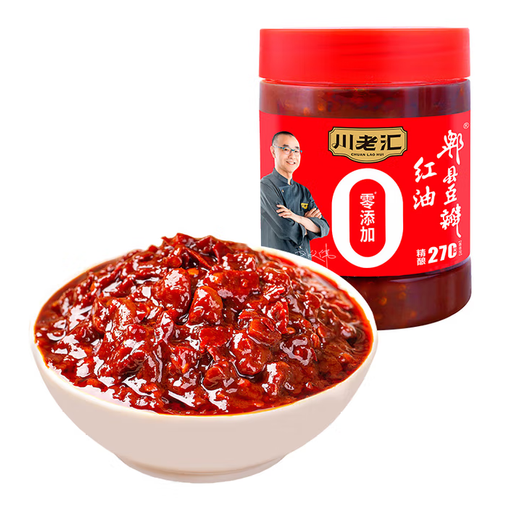
Why This Fits Their Persona: A practical cooking base for frequent Sichuan-style stir-fries, sauces and marinades.
It is clearly marked as a cooking seasoning rather than a ready-to-eat table sauce, reducing the risk of an unsuitable purchase.
500g pack; chilli listed at 45%; includes 25% broad bean; suitable for stir-fries and marinades.

Why This Fits Their Persona: A ready-to-eat option for spice lovers seeking a savoury alternative to conventional dried chilli snacks.
The product is identified as tofu jerky with pickled chilli and ginger, so buyers can anticipate a tangy, chewy snack rather than a dry pepper product.
95g ready-to-eat pack; contains 16g protein per 100g; soybeans are clearly identified as an allergen.
For smoky flavour, chipotle chilli flakes can add dried, smoked pepper character to bean chilli, fajitas and eggs. Bart Chipotle Chilli Flakes 28g lists dried smoked chipotle chillies as its ingredient.
For bright acidity, Chuan Lao Hui Pickled Chilli 280g uses bird’s eye chilli, vinegar, salt and spices. Keep it refrigerated after opening. For a softer, green chilli profile, Shezan Green Chilli Sauce 760g can be used with snacks, sandwiches and grilled foods.
Cooks wanting a dry Sichuan chilli seasoning can compare sesame chilli powder, CUIHONG Chilli Powder or African chilli pepper blends such as AF Lagos Chilli Pepper. Check whether sesame is present and whether the product is a pure powder or a compound seasoning.
We have compiled a complete, real-time list of products that fully satisfy these strict selection criteria and UK safety regulations.
Chilli powder is finely ground and spreads quickly through a recipe, while chilli flakes provide larger pieces and a more noticeable texture. Powder is useful for marinades and sauces; flakes suit toppings, pizzas and slow-cooked dishes.
Follow the product label. Many wet sauces and pickled chillies should be refrigerated after opening, particularly when the packaging recommends it. Use clean utensils and keep the lid firmly closed.
Several products may be suitable, but recipes vary. Check the ingredients for fish, shellfish, dairy or other animal-derived components, and review allergen and cross-contact information. Do not rely solely on terms such as “Asian chilli sauce” or “spicy Asian condiments”.