
24/7 Customer Support

Free returns

Same-day & Next-day Delivery

Quality Guaranteed

Unlock Your Welcome Offers: FREE Delivery | Up to 80% OFF | Free 30-day JoyPlus trial
Download the APP
Whether you are preparing a quick bowl of noodles, a weekend curry or a plant-based stir-fry, the right chilli ingredient can add heat, aroma and texture in seconds. However, shoppers comparing chilli seasonings and sauces often face confusing labels, inconsistent heat levels and products that do not suit the dishes they cook most often.
This guide explains what to check before buying, from ingredient lists and allergen information to storage requirements and the difference between chilli powder, chilli flakes, chilli oil and fermented pastes.
Heat and flavour are not the same. A plain chilli powder may deliver direct heat, while a Sichuan chilli seasoning can include oil, sesame and spices for a more aromatic profile. Similarly, Korean gochujang typically contributes sweetness, fermentation and savoury depth as well as chilli heat.
Consider whether you want a product for heat, aroma, texture, acidity, sweetness or umami. A very hot sauce may overpower delicate vegetables, while crushed chillies can add texture without changing the consistency of a soup or marinade.
Front-of-pack descriptions can make a sauce sound simple, but the ingredients may include oil, sugar, salt, flavour enhancers, preservatives or allergens. For example, fermented Chinese chilli sauces may contain soybeans, wheat or sesame, while Thai chilli condiments can contain crustaceans and soybean oil.
Always check the label if you are vegetarian, vegan or shopping for someone with a food allergy. Product information can change, so the packaging should remain the final reference before consumption.
Large jars may appear economical, but an opened chilli condiment can lose aroma or quality if it is stored incorrectly. Some shelf-stable products should be refrigerated after opening, while frozen crushed green chillies must remain at -18°C or below and should not be refrozen after thawing.
Choose a pack size that matches your cooking habits. A 28g jar of chilli flakes may suit occasional use, whereas a 280g Chinese chilli sauce is more practical for regular noodle, rice and stir-fry dishes.
Different formats behave differently in cooking:
An ingredient percentage can help you understand what a product is primarily made from. Tantanxiang Premium Chopped Chilli, for example, lists fresh chilli at 75%, while Mae Pranom Shrimp Flavour Crushed Chilli lists dried shrimp and dried chilli at 40% each.
Look for clearly stated allergens such as sesame, soybeans, wheat, sulphites and crustaceans. A product can be suitable for one dietary preference but unsuitable for a particular allergy. Also distinguish between “vegetarian” and “vegan”; a sauce containing shrimp, fish or animal-derived ingredients is not suitable for a vegan diet.
Condiments can vary considerably in salt and oil content. A salty chopped chilli may work well in small quantities with plain rice, but it could make an already seasoned stir-fry too salty. Use the nutrition panel per 100g as a comparison point, while remembering that normal serving sizes are usually much smaller.
After opening, follow the stated storage instructions. Refrigerate products where required, seal jars tightly and use clean utensils to reduce contamination. For chilli powder and dry flakes, a cool, dry, dark cupboard helps preserve aroma.
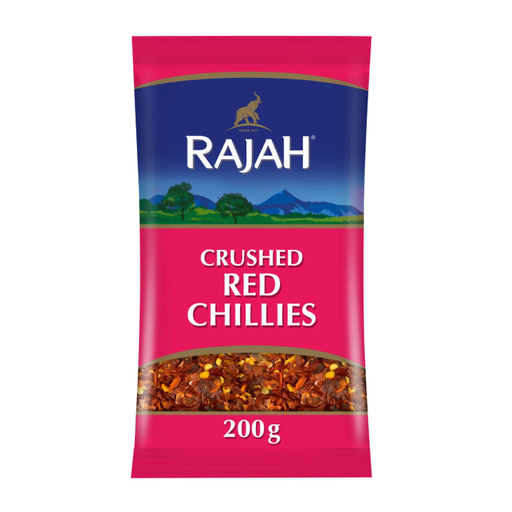
Why This Fits Their Persona: A straightforward cupboard ingredient for UK cooks who want one versatile product for curries, tacos, marinades and everyday meals.
The ingredients list identifies it as 100% crushed red chillies, rather than a blended sauce with hidden oil, sugar or flavourings.
200g pack; suitable for vegetarian diets; useful for adding visible heat and texture.
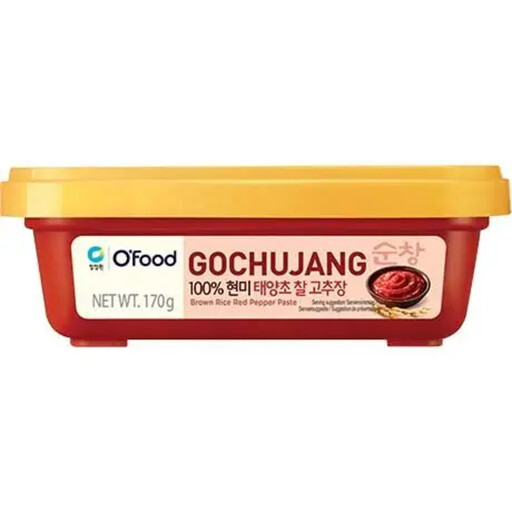
Why This Fits Their Persona: Suitable for cooks seeking a fermented Korean chilli paste with a savoury, sweet and spicy profile for Korean-style dishes.
Its format is a paste rather than a thin hot sauce, making it easier to blend into marinades, stews and dipping mixtures.
Contains red chilli powder, soybean paste and rice; suitable for bibimbap, tteokbokki-style dishes and Korean barbecue marinades.
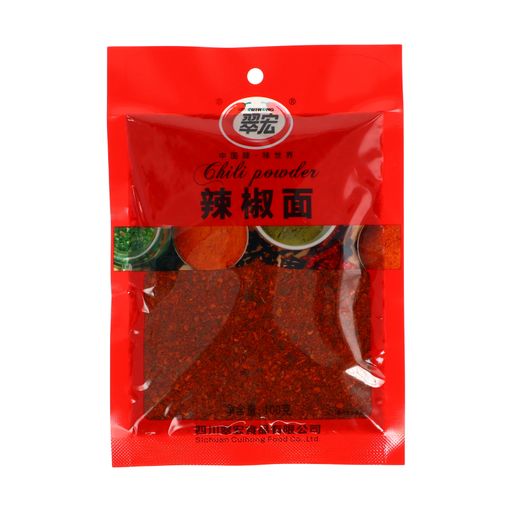
Why This Fits Their Persona: A useful option for cooks who regularly prepare Sichuan-style stir-fries, marinades, dry dips or homemade chilli oil.
The stated ingredients are chilli, rapeseed oil, sesame and spices, so shoppers can see that it is a compound seasoning rather than plain chilli powder.
Ready to eat; designed for stir-frying, marinating, dry dipping and making chilli oil; contains sesame.
We have compiled a complete, real-time list of products that fully satisfy these strict selection criteria and UK safety regulations.
Chilli powder is finely ground and disperses evenly through sauces, curries and marinades. Crushed chillies or chilli flakes are coarser, so they add visible pieces, texture and pockets of heat. The exact strength depends on the chilli variety and whether seeds and pith are included.
There is no single lifespan for every product. Follow the packaging instructions, refrigerate products where stated and use clean utensils. Look for changes in smell, colour, texture or mould, and do not consume a product if the seal is damaged or it appears spoiled.
Plain crushed chillies, many chilli powders and some plant-based chilli oils can suit vegan cooking, but recipes vary. Check for shrimp, fermented fish, dairy, honey, soy and other allergens or dietary ingredients. A clearly listed ingredient panel is more useful than relying on the product name alone.