
24/7 Customer Support

Free returns

Same-day & Next-day Delivery

Quality Guaranteed

Unlock Your Welcome Offers: FREE Delivery | Up to 80% OFF | Free 30-day JoyPlus trial
Download the APP
Navigating the world of Chinese bean paste can feel overwhelming. You're trying to recreate that perfect Mapo Tofu or a rich Beijing-style noodle dish, but the supermarket aisle presents a wall of confusingly similar jars. Many UK home cooks find themselves buying a sauce that looks right, only to discover it completely misses the mark, leaving their dish tasting flat, overly salty or just… wrong.
As a Joybuy Product Recommendation Officer, my role is to help you sidestep these common issues. Let's look at the frequent pitfalls that lead to wasted money and disappointing meals and clarify what you really need to look for.
To ensure you get the authentic flavour you're after, focus on these three core characteristics before you buy. Understanding them is the key to unlocking a world of authentic East Asian cuisine.
The type of bean used is the single most important factor determining a paste's flavour and use.
Once you know the base bean, identify the dominant flavour. A single pantry cannot be served by one paste alone.
This is a crucial detail often missed by beginners. Using a cooking paste raw can lead to a harsh, unbalanced taste.
Based on these practical criteria, here are a few recommendations matched to different cooking needs and preferences you might have in your UK kitchen.

Why This Fits Their Persona: You're dedicated to recreating authentic Sichuan flavours at home. This premium-grade Pixian doubanjiang is the non-negotiable cornerstone for dishes like Mapo Tofu and Twice-Cooked Pork, providing the deep, fermented heat that defines the cuisine.
This is not a generic "chilli sauce." It is specifically a broad bean paste, avoiding the trap of using a less complex soybean-based substitute. Its flavour comes from traditional fermentation, not just salt and additives.
Delivers the authentic, complex and savoury flavour profile essential for true Sichuan cooking. Requires blooming in oil to release its full potential.
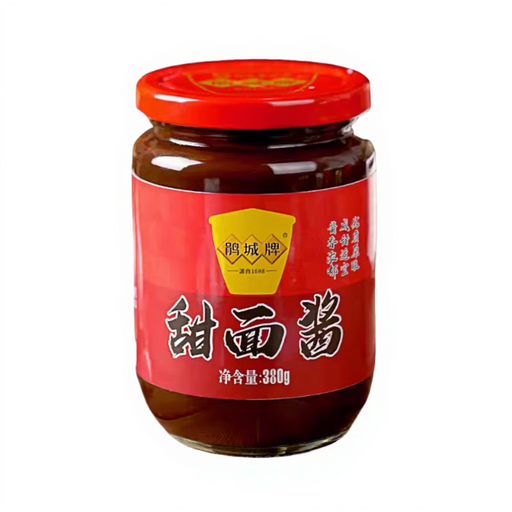
Why This Fits Their Persona: You want to make perfect Peking duck pancakes or a bowl of Beijing-style Zhajiangmian. This is the classic Northern Chinese sweet bean sauce (Tianmianjiang) that provides the essential harmonious balance of sweet and savoury.
This avoids the "one-size-fits-all" trap. It is not a generic hoisin or stir-fry sauce; it is the specific tianmianjiang required for these iconic dishes, ensuring an authentic taste that other sauces cannot replicate.
Made from fermented wheat flour for a traditional, velvety texture and deep flavour. Versatile as a glaze or marinade for other meats.
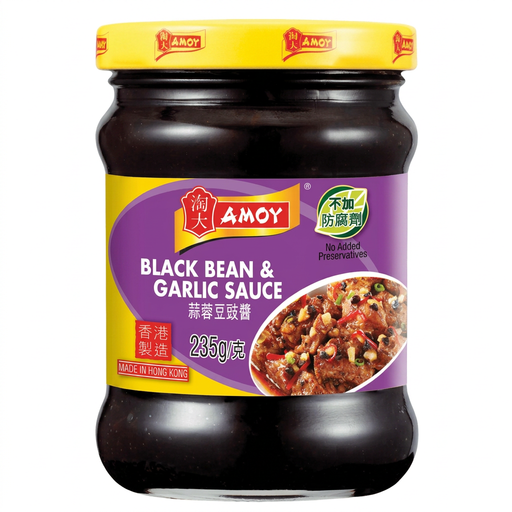
Why This Fits Their Persona: You love the savoury, umami-rich flavour of black bean dishes but want a quick and reliable way to make them during a busy week. This sauce is perfect for fast stir-fries, steaming fish or marinating chicken without any complex steps.
This product sidesteps the "cooking base" pitfall. It is a ready-to-use sauce, not a raw paste, eliminating the need for blooming in oil. It delivers the specific flavour of fermented black beans and garlic with maximum convenience.
Made with fermented salted black beans (12%) and garlic (21%) for a robust flavour. Contains no added preservatives.
We have compiled a complete, real-time list of products that fully satisfy these strict selection criteria and UK safety regulations.
While both are red, spicy fermented pastes, they are not interchangeable. Chinese chilli bean paste (doubanjiang) is primarily salty and savoury, getting its flavour from fermented broad beans or soybeans. Korean gochujang is fermented with rice and has a distinctly sweet, spicy and slightly tangy flavour profile. Using one for the other will significantly alter the taste of your dish.
Yes, for most traditional varieties. Frying a spoonful of doubanjiang in oil over medium heat for a minute or two is a process called "blooming" (炒香). This crucial step releases the paste's deep red colour into the oil and unlocks its full aromatic, savoury flavour, removing any harsh or raw taste.
Once opened, all fermented bean pastes should be stored in the refrigerator with the lid tightly sealed. Always use a clean, dry spoon to scoop out the paste to prevent introducing contaminants. Because of their high salt content, these pastes can last for many months in the fridge. Some darkening of the colour at the surface is normal and does not affect the quality.