
24/7 Customer Support

Free returns

Same-day & Next-day Delivery

Quality Guaranteed

Unlock Your Welcome Offers: FREE Delivery | Up to 80% OFF | Free 30-day JoyPlus trial
Download the APP
As a Joybuy Product Recommendation Officer, I often see shoppers trying to recreate authentic East Asian dishes at home, only to be let down by one crucial element: the ingredients. Navigating the world of Chinese beans and pulses can be tricky, especially when mainstream supermarkets offer limited choices. Getting it wrong doesn't just affect the flavour; it can mean a dish fails entirely. This guide is designed to help you sidestep common purchasing mistakes and select the right dried goods for your culinary needs.
Before you add anything to your basket, be aware of a few common traps that can lead to disappointing results in the kitchen.
To ensure you get what you need, focus on these key factors. They are far more important than flashy packaging or marketing claims.
Bean Type and Culinary Purpose: This is the most critical factor. Before purchasing, confirm the specific bean required for your recipe. Are you making a sweet dessert, a hearty congee or a savoury stew?
Visual Integrity and Uniformity: A quick visual check can tell you a lot about quality. The beans should be relatively uniform in size and shape, which helps them cook at the same rate. The colour should be bright and consistent, not dull or faded. A high percentage of cracked, broken or discoloured beans suggests poor handling or old stock.
Packaging and Storage Information: Good quality beans will be sold in airtight packaging that protects them from moisture and pests. Check for a packing date if available, as fresher beans cook more reliably. Once home, store them in a sealed container in a cool, dark cupboard to maintain their quality.
To help you choose, we've matched some reliable options to common cooking needs and profiles.

Why This Fits Their Persona: This user wants to make authentic sweet soups, eight-treasure porridge or red bean paste. They need the correct type of bean that cooks to a soft, slightly sweet and creamy consistency.
These are clearly identified as adzuki beans, sourced from the Northeast region known for quality grains. This prevents the common pitfall of accidentally buying savoury kidney beans.
Plump, uniform grains that are easy to cook until tender. Versatile for both classic sweet soups and as a filling for pastries and buns.
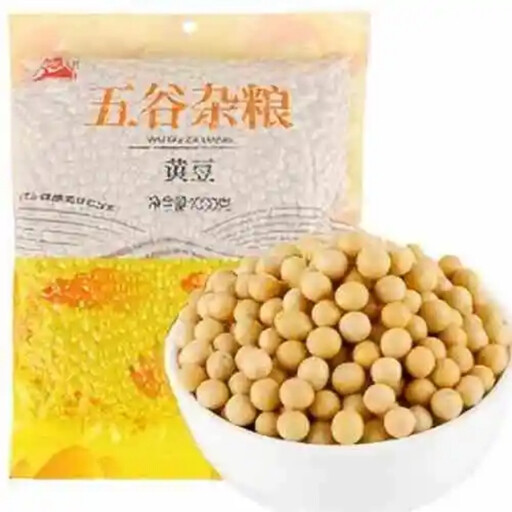
Why This Fits Their Persona: This user is looking for high-quality dried soybeans to make fresh, creamy soy milk or homemade tofu. They need beans with a high protein content and good flavour.
This product is clearly labelled as "Soya Bean," avoiding confusion with other beans. The description highlights their suitability for soy milk and tofu, directly addressing the user's goal.
Selected for uniform size and quality, which is ideal for consistent results. The product is specified as non-GMO, a key consideration for many health-conscious consumers.
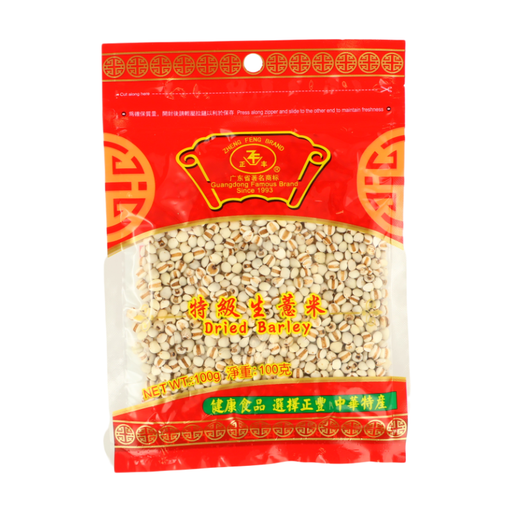
Why This Fits Their Persona: This cook is preparing traditional tonic or "liang tang" soups that call for specific ingredients like coix seeds (Job's tears). They value authenticity and the specific textural properties of these grains.
This is a specific, named ingredient, not a generic bean, eliminating any risk of confusion. The product is presented as a whole grain, indicating minimal processing and better quality.
Ideal for adding a slightly chewy texture to soups and congee. It's a versatile staple for anyone interested in traditional Chinese food therapy and nourishing broths.
We have compiled a complete, real-time list of products that fully satisfy these strict selection criteria and UK safety regulations.
Do I always need to soak dried Chinese beans before cooking? Generally, yes. Soaking dried beans for 4-6 hours (or overnight in the fridge) is highly recommended. This process rehydrates them, which dramatically shortens the cooking time and helps them cook through evenly. For very small pulses like lentils or split mung beans, a shorter soak or even just a thorough rinse may suffice.
How can I tell if my dried beans have gone bad? While dried beans have a very long shelf life, they don't last forever. Old beans can be identified by a faded, dull colour, a shrivelled appearance or a dusty, musty smell. The most telling sign is their performance during cooking; if they remain hard and refuse to soften even after a long boiling time, they are likely past their prime. To prolong their life, store them in an airtight container in a cool, dark and dry place.
What is the difference between adzuki beans and other red beans? This is a crucial distinction. Adzuki beans are small, oval-shaped and have a distinctive white ridge along one side. They cook down to a soft, floury texture and have a naturally sweet, nutty flavour, making them the standard for East Asian desserts. Red kidney beans, in contrast, are much larger, kidney-shaped and hold their form when cooked. They have a savoury flavour and are used in stews, curries and salads. Using one for the other will not produce the intended result.