Navigating the world of Chinese black vinegar can feel like a complex task. With labels mentioning different regions, ingredients and aging processes, it’s easy to feel unsure which bottle will bring that authentic, restaurant-quality flavour to your home cooking. Whether you're crafting the perfect dumpling dipping sauce or a rich, slow-cooked braise, the right vinegar makes all the difference.
As a Joybuy Product Recommendation Officer, my role is to help you understand these distinctions. This guide cuts through the clutter, explaining the key types of authentic Chinese vinegar and offering practical advice to help you select the ideal one for your kitchen.
Choosing Your Chinese Black Vinegar: A Quick Guide
Before we look at specific products, here are a few key points to consider when making your selection. Understanding these will help you decipher any label and choose with confidence.
1. Know Your Regions: Flavour Profiles Matter
Not all black vinegars are created equal. The flavour is heavily influenced by the region of origin and the base ingredients used. The three most prominent types you'll encounter are:
- Zhenjiang (Chinkiang) Vinegar: Hailing from Jiangsu province, this is perhaps the most famous type outside of China. Made primarily from glutinous rice, Zhenjiang vinegar (often labelled Chinkiang vinegar) is known for its deep colour, mellow acidity and a slightly sweet, malty character. It's an excellent all-rounder.
- Shanxi Aged Vinegar: This northern variety is made from sorghum, barley and peas. It undergoes a long aging process, which gives Shanxi aged vinegar a richer, smokier and more intensely sour flavour profile compared to its southern counterparts. It has a robust character that stands up well in hearty dishes.
- Baoning Vinegar: From Sichuan province, this traditional cooking vinegar is often brewed with wheat bran and a mix of herbs, giving it a unique, slightly medicinal and complex savoury flavour. It’s a cornerstone of many classic Sichuan dishes.
2. Check the Acidity and Age
The label often provides clues about the vinegar's intensity. Total acidity, usually listed as g/100ml, indicates its strength. A higher number (e.g., ≥5.0g/100ml) typically means a more concentrated and potent flavour. Additionally, some vinegars, particularly those from Shanxi, are aged for several years. This aging process mellows the sharpness and develops a deeper, more complex aromatic vinegar profile.
Our Top Recommendations
Based on their distinct characteristics and suitability for different culinary uses, here are our recommendations for home cooks in the UK.
Hengshun Zhenjiang Aromatic Vinegar, 500ml
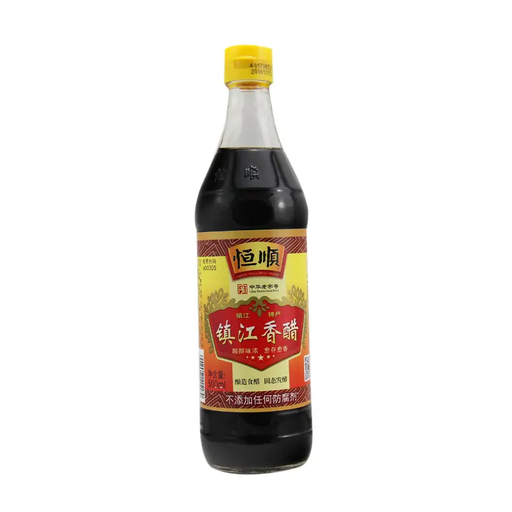
- Why It Stands Out: As a Protected Geographical Indication (PGI) product, this vinegar represents the benchmark for its style. Made using traditional solid-state fermentation with glutinous rice, it delivers the classic, well-balanced flavour that has made Zhenjiang vinegar a staple in Chinese kitchens worldwide. Its complexity is present but not overpowering.
- Pros:
- Authentic PGI product from Zhenjiang.
- Mellow, complex and slightly sweet flavour profile.
- Extremely versatile for dipping, dressings and light cooking.
- Who is it for: This is an ideal starting point for anyone new to Chinese black vinegar. It's also a must-have pantry staple for seasoned cooks who need a reliable, high-quality all-purpose black vinegar for everything from cold appetisers to dipping sauces.
Baoning Vinegar Grade I (Gold Label) 430ml
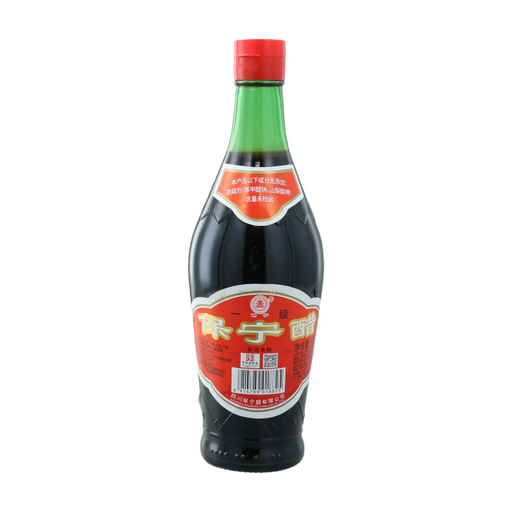
- Why It Stands Out: This Baoning vinegar is one of China's four famous vinegars, offering a taste of Sichuan's culinary heritage. Brewed with wheat bran and other grains, it has a distinctively savoury and slightly herbal character that sets it apart. With a total acidity of no less than 5%, it provides a robust and fragrant sourness.
- Pros:
- A time-honoured brand with a unique regional flavour.
- High acidity for a pronounced taste.
- Adds a complex, savoury depth to stir-fries and sauces.
- Who is it for: Culinary explorers and anyone passionate about authentic Sichuan cooking. If you want to replicate the complex flavours of dishes like fish-fragrant aubergine or add a unique twist to your sauces, this vinegar is an excellent choice.
Shuita 5 Years Aged Vinegar 500ml
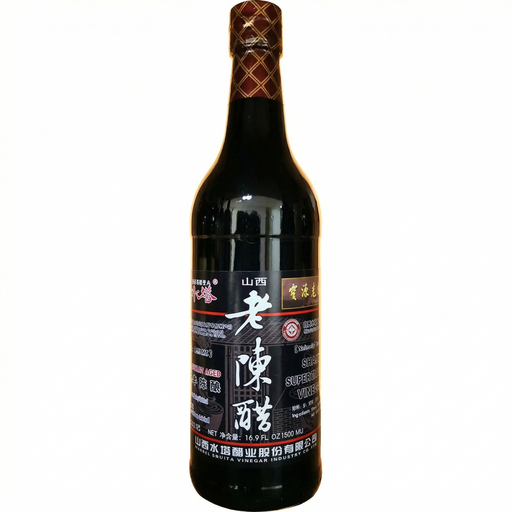
- Why It Stands Out: This is a classic Shanxi aged vinegar, crafted using ancient methods and aged in pottery for over five years. The long aging process concentrates its flavour, resulting in a remarkably smooth, rich and smoky aroma with a lingering sweet aftertaste. Its reddish-brown colour and viscosity are hallmarks of its quality.
- Pros:
- Aged for over five years for exceptional complexity.
- Rich, smoky and mellow flavour profile.
- Made from sorghum, barley and peas for an authentic northern Chinese taste.
- Who is it for: Cooks focusing on northern Chinese cuisine or those looking for a finishing vinegar to add depth to rich braises, stews and noodle dishes. Its profound flavour is also superb on its own as a dipping sauce for hearty dumplings.
Looking for More Options?
These recommendations cover three of the most significant styles of Chinese black vinegar, each with a distinct purpose. However, the world of Chinese food vinegar is vast and full of subtle variations.
If you're looking for a different age, acidity level, or regional style, we invite you to browse our complete collection.
Explore the Full Range of Chinese Food Vinegar at Joybuy
Frequently Asked Questions
What is the difference between Chinese black vinegar and rice vinegar?
The primary differences are in production, colour and flavour. Chinese black vinegar is made from grains like glutinous rice, sorghum, or wheat and is aged, giving it a dark colour and a complex, malty and rich flavour. Standard rice vinegar (often white or light gold) is typically unaged or lightly aged, resulting in a milder, sharper and less complex taste.
Can I use Zhenjiang (Chinkiang) vinegar for everything?
Zhenjiang vinegar is incredibly versatile and works well in most applications, from dressings to marinades, making it an excellent all-purpose choice. However, for dishes from specific regions like Shanxi or Sichuan, using the local vinegar (like Shanxi aged vinegar or Baoning vinegar) will produce a more authentic flavour profile that better matches the dish's intended character.
How should I store Chinese black vinegar?
To maintain its quality and flavour, store your Chinese black vinegar in a cool, dark place away from direct sunlight, such as a pantry or cupboard. Ensure the lid is sealed tightly after each use. While refrigeration is not essential, it can help preserve the optimal flavour for longer once the bottle has been opened.


